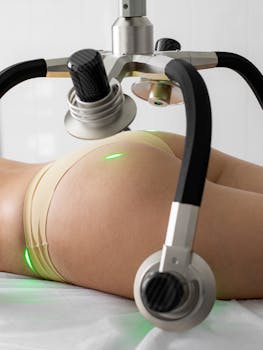
Liposuction is a popular cosmetic procedure that removes excess fat from specific areas of the body. When we talk about lipo on thighs, it involves the targeted removal of fat to help achieve a more contoured leg shape. Many consider this procedure to achieve a more balanced and toned appearance, as thighs can often be stubborn areas for fat removal through diet and exercise alone. Understanding the pros and cons of this procedure, along with potential results, can help you make an informed decision about whether it’s right for you.
What is Lipo on Thighs?
Lipo on thighs specifically targets the thigh area to remove unwanted fat. It can be performed on the inner thighs, outer thighs, or both, depending on the individual’s needs and goals. Also known as thigh liposuction, this procedure is highly customizable to suit different body types and desired outcomes. It’s important to note that while lipo can effectively remove fat, it is not a weight-loss solution but rather a way to sculpt and contour the body.
Pros of Lipo on Thighs
If you are considering lipo on thighs, understanding the potential benefits can be helpful. Some of the advantages include:
- Improved Contour: This procedure is utilized to enhance the shape and contour of the thighs. Removing pockets of fat can create a more harmonious look with the rest of the body.
- Targeted Fat Removal: Lipo provides the opportunity to target specific areas, such as the outer thighs or inner thighs, that might be resistant to diet and exercise.
- Boost in Confidence: Many individuals find that achieving their aesthetic goals helps boost self-esteem and confidence levels.
Cons of Lipo on Thighs
While there are benefits, there are also considerations and potential downsides:
- Risk of Complications: As with any surgical procedure, there’s a risk of complications, including infection, scarring, or an uneven appearance.
- Recovery Time: The body requires time to heal post-procedure, which can include swelling, bruising, and limited mobility for a period.
- Cost: Lipo is typically not covered by insurance, making it a significant out-of-pocket expense.
Full Leg Liposuction: What You Need to Know
Full leg liposuction involves targeting multiple areas of the legs in one procedure. It typically includes the thighs, knees, and sometimes even calves. This comprehensive approach aims to create a consistent and seamless result throughout the entire leg. When considering full leg liposuction, it’s essential to consult with a professional to ensure it aligns with your body goals.
Liposuction on Inner Thighs
lipo on inner thighs is one of the most sought-after variations since this area can often be challenging to slim down through lifestyle changes alone. Removing fat from the inner thighs can prevent chafing, enhance the overall look in fitted clothing, and lead to improved comfort during physical activities.
Liposuction Hips and Thighs
Many patients opt for liposuction on hips and thighs simultaneously to achieve a more natural and balanced body contour. Addressing both areas at once can create a smoother transition between the hips and thighs, which often contribute to one’s silhouette.
The Procedure and Recovery
The process of liposuction involves the insertion of a cannula, a thin tube, to break up and suction out fat deposits. Recovery time varies but typically includes a few weeks of limited activity to allow swelling and bruising to diminish. Results are often visible within a few months as the body heals and adjusts.
For additional insights on how cosmetic surgeries impact the recovery process, you might find the recovery timeline after nose surgery a useful comparison.
Achieving Desired Results
While immediate results can be noticeable, the full extent of thigh fat removal and shaping takes time. It’s important to maintain realistic expectations and recognize that results can vary from person to person. Good candidates are those with firm, elastic skin and are at a stable weight.
Risks and Considerations
As with any medical procedure, there are risks involved in liposuction on legs. Always consult with a certified professional to discuss potential side effects and ensure your health allows for surgery. Educating yourself effectively is fundamental, as is considering all pros and cons.
For a broader understanding of health considerations, visit this health information page on Wikipedia.
Final Thoughts on Thigh Lipo
Lipo on thighs can be a beneficial procedure for those looking to achieve a more contoured appearance. It’s essential to weigh the pros and cons, understand the procedure and recovery, and consult with a qualified professional to determine the best approach for your body and goals.
- Liposuction is a contouring procedure, not a weight-loss method.
- Ensure you understand the risks and recovery involved.
- Consult with a certified specialist to see if you’re a good candidate.
- Consider potential costs, as liposuction may not be covered by insurance.
- Plan for adequate recovery time to achieve the best results.
FAQ
What should I expect post-procedure?
After the procedure, expect some bruising, swelling, and soreness. These symptoms generally subside over a few weeks. The final results will become more apparent once the swelling fully resolves.
Is liposuction on legs permanent?
While liposuction removes fat cells permanently, weight gain can affect the results. Maintaining a stable weight through a healthy lifestyle is vital for long-lasting results.
How much does thigh liposuction typically cost?
Costs can vary based on location, the surgeon’s expertise, and specific patient needs. It’s crucial to discuss financial implications during your consultation.
Who qualifies as a good candidate for liposuction?
Ideal candidates are those with localized fat deposits, firm skin, and good overall health. A consultation with a professional is necessary to determine individual suitability.
Are there alternatives to thigh liposuction?
Non-surgical options such as CoolSculpting, exercise regimens, and dietary changes might provide some contouring effects. However, the results might not be as significant as surgical options.