Individuals with Ehlers-Danlos Syndrome (EDS) often face unique challenges when it comes to wound healing and scar formation, particularly the thin, atrophic scars characteristic of this condition. Understanding the nature and management of EDS scars is crucial for those affected by the syndrome. With proper care and the right strategies, the appearance of scars may be improved, and their impact on daily life minimized.
Understanding EDS Scars
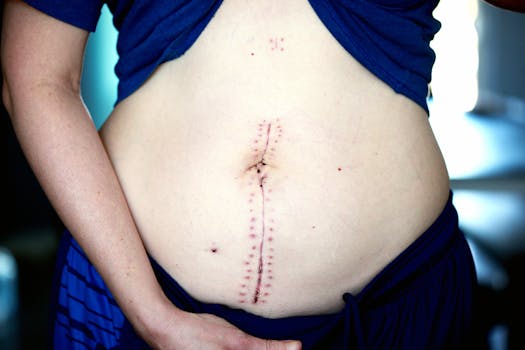
Ehlers-Danlos Syndrome is a group of connective tissue disorders that significantly affect the skin’s elasticity and healing abilities. People with EDS may develop scars that are more visible and problematic than those of the general population. This is particularly true for hypermobile EDS (hEDS) scars, which can appear thin and spread out over time. Recognizing the characteristics of these scars is the first step toward effective management.
Strategies for Managing EDS Scars
Managing EDS scars involves a combination of preventative measures and treatment options. While complete elimination is challenging, several strategies can help reduce their visibility and discomfort.
Gentle Wound Care
Proper wound care is essential for minimizing scarring. Keeping wounds clean and moist can promote optimal healing. Applying non-adhesive dressings can help protect delicate skin without causing additional damage.
The Role of Dermatology Treatments
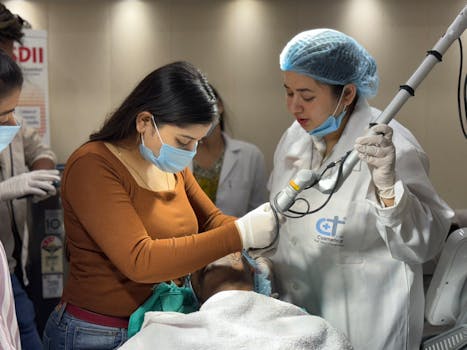
Consulting a dermatologist can provide access to treatments specifically designed to improve scar appearance. Options like laser therapy and microneedling are being studied for their effectiveness in treating atrophic scars ehlers danlos. Dermatologists may also offer topical treatments to enhance collagen production and skin health.
Scarring and Nutrition
Nutritional support may aid in the body’s natural healing processes. Consuming a diet rich in vitamins, minerals, and proteins supports skin repair. While no specific diet can cure EDS, balanced nutrition may help the skin recover more efficiently.
Exploring Surgical Options
In certain cases, surgical intervention may be considered for EDS scars. Surgical removal of scar tissue followed by meticulous wound closure can improve appearance. It is crucial to discuss the risks and benefits with a healthcare provider to determine if surgery is a viable option. For more insights, you might want to explore tips on removing scar tissue.
Daily Skincare Routine for EDS Scars
Incorporating a gentle skincare routine can contribute to healthier skin and reduce the prominence of scars over time. Regular use of moisturizers and sun protection are key steps in managing hEDS scars effectively.
Moisturization and Sun Protection
Applying a good moisturizer daily helps maintain skin elasticity and prevents excessive drying. Sunscreen with a high SPF is crucial to protect sensitive skin from UV damage, which can exacerbate scarring.
Mindful Product Selection
When selecting skincare products, opt for those free of harsh chemicals and fragrances to avoid irritation. Products with retinoids or silicone gels have shown promise in scar management. Always test new products on a small skin area to prevent potential allergic reactions.
Emotional and Psychological Support
The visible nature of EDS scars can impact self-esteem and emotional well-being. Seeking support from counselors or support groups can provide valuable coping strategies. Sharing experiences and strategies with others can offer comfort and practical advice.
The Role of Genetics
It is important to note that genetics plays a significant role in the development and severity of EDS, including its associated scarring. Understanding one’s genetic makeup and family history can help in formulating a personalized care approach.
Genetic Counseling
Engaging with genetic counselors can provide deeper insights into EDS and its implications on skin health. They offer supportive resources and guide individuals through managing symptoms effectively.
Concluding Thoughts on EDS Scars
While EDS scars present unique challenges, a comprehensive, individualized care plan can help manage their appearance and impact. By prioritizing skin health through medical guidance, nutritional support, and emotional well-being, individuals can experience improved quality of life.
- EDS scars require ongoing care and attention for management.
- Dermatological treatments may support scar reduction.
- Nutritional support is important for healthy skin.
- Sunscreen and moisturization are key in daily skincare.
- Genetic factors greatly influence scar development and healing.
What are EDS scars and why are they different?
EDS scars are the result of genetic connective tissue disorders that affect skin elasticity, resulting in scars that can be more noticeable and fragile compared to those of individuals without EDS.
Can EDS scars be completely removed?
Complete removal is challenging, but there are treatments available that may help reduce their appearance and improve skin condition. Consulting a dermatologist can provide personalized options.
Are there specific products recommended for EDS scars?
Products containing silicone and retinoids may be beneficial. However, it’s essential to choose gentle, hypoallergenic products that don’t irritate sensitive skin. Consulting with a healthcare provider is advised.
How does nutrition play a role in scar management for EDS?
Nutrition can support overall skin health and the body’s natural healing processes. A balanced diet with adequate vitamins and minerals is recommended to aid scar management.
Where can I learn more about ongoing research on EDS?
For the most current information on Ehlers-Danlos Syndrome research, you can visit reputable sites like Wikipedia’s Health page for initial exploration and links to studies and reviews.