Monolid surgery is a popular cosmetic procedure aimed at altering the appearance of the eyelid for those with monolids. A monolid refers to an eyelid shape without a visible crease. People may choose to undergo this surgery for cosmetic reasons or to enhance their personal appearance. Understanding the procedure, its benefits, and potential risks is important for anyone considering it.
Understanding Monolid Surgery
The primary goal of monolid surgery is to create a visible crease in the upper eyelid. This procedure is also known as double eyelid surgery, particularly in contexts where eyelids naturally lack this crease. The surgery can help individuals achieve a desired eyelid appearance that they find aesthetically pleasing or culturally significant.
Who Benefits from Monolid Surgery?
Many individuals opt for monolid surgery for aesthetic reasons. Those with monolids, particularly within Asian communities, may seek this surgery to modify their eyelids. Some people believe that creating a double eyelid can enhance the overall balance and symmetry of the face. However, it’s crucial to remember that beauty ideals vary widely, and personal preference should always guide such decisions.
The Procedure
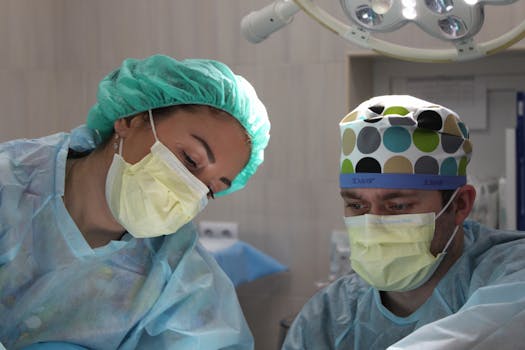
During monolids surgery, a surgeon carefully creates a crease in the upper eyelid. This can be achieved through an incision or a non-incisional method depending on the individual’s needs and the surgeon’s expertise. The incision method involves making a small cut along the eyelid’s natural fold line to remove excess skin, muscle, and sometimes fat, while the non-incisional method uses sutures to create a crease.
Recovery and Aftercare
Recovery from monolid surgery typically involves some swelling and bruising, which usually subside within one to two weeks. It’s important to follow the surgeon’s aftercare instructions to ensure proper healing and minimize risks. This may include using prescribed ointments, avoiding strenuous activities, and attending follow-up appointments. For more tips on skin care and recovery, consider exploring the latest breakthroughs in skincare technology.
Risks and Considerations
Like any surgical procedure, monolid surgery carries potential risks such as infection, scarring, or an unnatural appearance if not performed correctly. It’s crucial to select a skilled and experienced surgeon to minimize these risks. Consulting with a board-certified plastic surgeon can provide insight into the expected results and tailored recommendations to meet individual needs.
Factors to Consider Before Opting for Monolid Surgery
Considering monolid surgery involves assessing why you want the surgery and what you hope to achieve. Reflect on how this change aligns with your self-image and expectations. Additionally, discuss thoroughly with your chosen surgeon about the procedure, expected outcomes, and any queries you may have.
Non-Surgical Alternatives
For those hesitant about surgery, non-surgical alternatives such as eyelid tapes or adhesives exist. These temporary solutions create a double eyelid effect without permanent alteration, providing a chance to experiment with different looks.
Social and Cultural Implications
Monolid surgery holds different meanings across cultures. While some view it as a path to enhanced beauty, others may see it as conforming to certain beauty standards. Understanding cultural perspectives and respecting diverse beauty ideals can help individuals make informed decisions.
Conclusion
Monolid surgery is a significant personal decision that can enhance one’s self-confidence and appearance. Exploring options, understanding the procedure, and thoughtful planning is paramount to achieving satisfaction with the results. Always consult with a trusted healthcare professional to determine the best course of action for your unique needs. For more information on health and cosmetic procedures, visit here.
- Monolid surgery aims to create a visible crease in the eyelid.
- It’s popular among individuals with monolids seeking aesthetic changes.
- The procedure can be incision-based or non-incisional.
- Recovery involves managing swelling and attending follow-ups.
- Understanding cultural implications can guide your decision.
What is monolid surgery?
Monolid surgery, also known as double eyelid surgery, is a cosmetic procedure that creates a visible crease in the eyelid for those who naturally have a single eyelid fold, or monolid.
Who should consider monolid surgery?
People considering monolid surgery typically wish to change the appearance of their eyelids for personal or cultural reasons. Consultation with a professional can help determine individual suitability.
Are there risks associated with monolid surgery?
Yes, risks include infection, scarring, or dissatisfaction with the results. Choosing an experienced surgeon and adhering to post-operative care instructions can help mitigate these risks.
How does recovery from monolid surgery look like?
Recovery usually includes swelling and bruising that diminishes within a couple of weeks. It’s critical to follow post-operative care guidelines provided by your surgeon.
What are the non-surgical alternatives to monolid surgery?
Non-surgical options like eyelid tapes or adhesives can temporarily create a double eyelid appearance without commitment to surgery, allowing individuals to explore different aesthetics.