When dealing with skin conditions like rosacea and seborrheic dermatitis, it can be challenging to determine the best course of action. The term “seb derm rosacea” refers to the overlapping symptoms and appearance of these two common skin conditions. Understanding their connection and how to manage them can significantly improve your skin health and confidence.
Understanding Seb Derm Rosacea
Rosacea and seborrheic dermatitis are two distinct skin conditions that may often occur together, leading to confusion in diagnosis and treatment. Rosacea is characterized by facial redness, visible blood vessels, and sometimes pimples. On the other hand, seb derm, or seborrheic dermatitis, involves oily, flaky skin, especially around the nose, eyebrows, and scalp.
Those with rosacea seborrhea often see an overlap of symptoms, making management crucial for patient comfort. Both conditions require targeted skincare routines and possibly medical intervention.
Rosacea and Seborrheic Dermatitis: Key Differences
While rosacea primarily affects the facial area, seb derm can appear on various parts of the body. Rosacea may present symptoms such as persistent redness and a sensation of heat or burning on the skin. Meanwhile, seborrhea rosacea often appears as greasy patches of skin with white or yellow flakes.
It’s crucial for individuals to seek a differential diagnosis from a healthcare professional to identify the presence of either or both conditions. This ensures proper treatment tailored to one’s specific needs.
Common Causes and Triggers
The exact causes of rosacea and seb derm are not fully understood, but several triggers are commonly associated with each condition. For rosacea, triggers might include hot drinks, spicy foods, extreme temperatures, and sun exposure. Seborrheic dermatitis may be related to the yeast Malassezia, stress, hormonal changes, or certain harsh skincare products.
A correct understanding of personal triggers can be a significant step in managing both rosacea and seb derm symptoms, providing some relief and preventing flair ups.
Managing Symptoms of Rosacea and Seb Derm
Effective management of seb derm and rosacea often involves a combination of lifestyle adjustments and topical treatments. Gentle skincare routines, using products for sensitive skin, and avoiding known triggers are first-line strategies.
For more information on how diet and gut health can influence skin conditions, you can read about how your microbiome influences wellness to support your skin health journey.
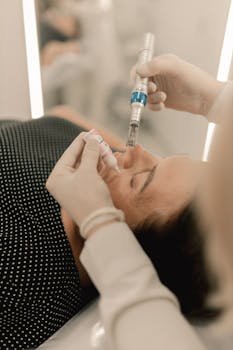
Certain treatments, such as topical antifungals for seb derm or laser therapy for rosacea, are also worth discussing with your dermatologist. Always consult a healthcare provider for advice tailored to your skin’s unique needs.
Exploring Research and Developments
Research continues to explore the connection between seb derm rosacea and potential treatment avenues. The role of diet, stress management, and new topical formulations are all being studied to improve patient outcomes. Continued efforts are critical to finding more effective solutions for those suffering from these intertwined conditions.
You can learn more about the medical community’s latest findings through reliable resources, such as this Wikipedia article on Health, which provides further context on ongoing research.
Conclusion
Living with both rosacea and seborrheic dermatitis can be daunting, but with a better understanding of seb derm rosacea and targeted treatment strategies, individuals can effectively manage their symptoms. Always seek professional advice for a tailored approach that best suits your needs.
- Rosacea and seborrheic dermatitis are distinct but can overlap as seb derm rosacea.
- Proper diagnosis is vital for effective treatment.
- Management involves lifestyle changes and consulting with healthcare professionals.
- Research is ongoing to better understand and treat these conditions.
- Finding your triggers is key to preventing flare-ups.
What is seb derm rosacea?
Seb derm rosacea refers to the concurrent appearance of seborrheic dermatitis and rosacea, two common skin conditions that may share overlapping symptoms, impacting the face and skin.
Can diet affect rosacea and seb derm?
Yes, diet can influence skin health, including conditions like rosacea and seb derm. It’s beneficial to observe any dietary triggers and consider adjustments that support healthy skin.
How are rosacea and seborrheic dermatitis diagnosed?
Diagnosis usually involves a clinical evaluation by a dermatologist who may consider your symptoms, medical history, and sometimes a skin biopsy to confirm either or both conditions.
What treatments are available for seb derm rosacea?
Treatment can vary but often includes topical therapies, lifestyle changes, and sometimes pharmaceuticals. Personalized advice from a dermatologist is recommended for effective management.
Are there preventative measures for rosacea seborrhea?
Identifying and avoiding triggers, maintaining a gentle skincare routine, and managing stress can help in reducing flare-ups. Regular dermatological check-ups can also assist in managing the condition.