In recent years, the interest in non surgical treatment options has grown substantially. Many individuals are exploring these alternatives to avoid the complications and recovery time associated with invasive procedures. Non surgical options provide a range of benefits, but also present a unique set of considerations. This article outlines the pros, cons, and expected results of these treatments.
Understanding Non Surgical Treatment Options
Non surgical treatments are procedures or therapies that do not require incisions or anesthesia. These methods can target various issues, including cosmetic enhancements, chronic pain management, and physical therapy. Techniques such as laser therapy, cryotherapy, and radiofrequency treatments are popular and widely used.
Benefits of Choosing Non Surgical Options
The primary advantage of non surgical therapies is their minimal recovery time. Patients can often resume normal activities shortly after treatment. Additionally, these methods typically carry fewer risks than surgical procedures. Non surgical treatments tend to be less intimidating for those apprehensive about going under the knife.
Drawbacks to Consider
Despite their benefits, non surgical treatments can have downsides. They often require multiple sessions to achieve desired results, which can be time-consuming. Moreover, not all conditions or aesthetic goals can be effectively addressed with non surgical methods. It’s important for individuals to have realistic expectations and consult with a healthcare professional for personalized advice.
Results and Effectiveness
The effectiveness of non surgical treatments varies based on the condition being addressed and the specific treatment employed. Some people experience significant improvements, while others may not notice substantial changes. It’s crucial to discuss potential outcomes thoroughly with a provider.
Popular Non Surgical Treatment Techniques
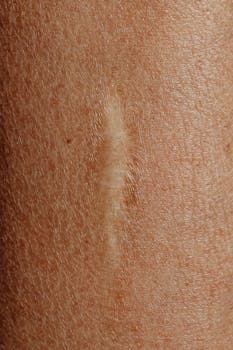
One of the most popular non surgical treatment techniques is laser therapy. This method uses focused light to treat various skin conditions, including acne scars and sun damage. Cryotherapy, which involves the application of extreme cold to destroy abnormal tissues, is another common option. Both methods offer effective results for the right candidates.
Emerging Non Surgical Technologies
Innovations in technology continue to broaden the scope of non surgical treatments. Radiofrequency treatments, for example, use electromagnetic waves to tighten skin and reduce the appearance of wrinkles. These advancements offer promising alternatives to traditional surgical procedures.
Evaluating Non Surgical Treatments
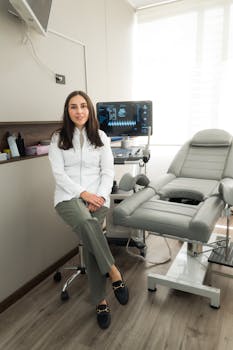
When considering a non surgical treatment, it is important to evaluate your individual needs and health conditions. Discussing options with a qualified healthcare provider can provide insights into which treatments are most suitable for your specific situation. [For eco-friendly skincare practices that complement your non surgical treatments, explore sustainable options](https://wellnesshq.net/skin-care-beauty/eco-friendly-skincare-sustainable-products-and-practices-for-healthy-skin/).
What to Expect During a Treatment Session
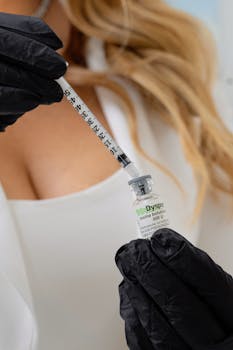
Non surgical treatment sessions typically involve a brief preparation phase followed by the application of the selected technology, such as a laser or cryotherapy device. Patients may experience mild discomfort during and after treatment, but this usually subsides quickly.
For more comprehensive information on health-related topics, visit Wikipedia’s health page.
Are Non Surgical Treatments Right for You?
Non surgical treatment may be a suitable option for those looking to improve their condition without invasive procedures. However, individual factors such as health status and specific goals should be considered when making a decision. Consulting with healthcare professionals can help ensure an informed choice.
- Non surgical treatments offer less recovery time compared to surgical procedures.
- Consider the potential need for multiple sessions for effective results.
- Consult with a healthcare provider for personalized advice.
- Be informed about the latest non surgical technologies available.
- Realistic expectations are essential when opting for non surgical treatments.
FAQ
What is a non surgical treatment?
A non surgical treatment involves therapies and procedures that do not require incisions or anesthesia. These options typically have shorter recovery times and fewer complications than surgical procedures.
How long does it take to see results from non surgical treatments?
The time frame for results varies depending on the treatment type and the condition being addressed. Some individuals may see improvements immediately, while others might require several sessions.
Are non surgical treatments safe?
Generally, non surgical treatments are considered safe when performed by qualified professionals. However, like all medical procedures, they carry some risk. It’s important to discuss these risks with your provider.
Can non surgical treatments replace surgery?
While non surgical treatments are effective for many conditions, they may not replace the results that surgery can provide for some individuals. It’s vital to have realistic expectations and an understanding of the results each can achieve.
Do non surgical treatments hurt?
Most non surgical treatments involve minimal discomfort. Providers often employ numbing agents or cooling technologies to enhance patient comfort during the procedures.