Scars from stitches are a common concern for individuals who have undergone surgery or experienced an injury requiring sutures. While stitches are crucial for proper wound healing, they can sometimes leave noticeable marks on the skin. In this article, we will explore the pros and cons of using stitches, the factors that influence scar formation, and the possible outcomes you might expect.
Understanding Scars from Stitches
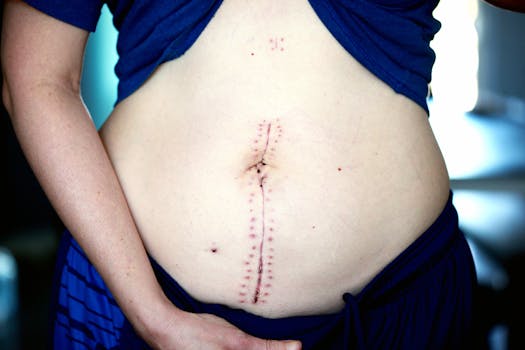
When the skin is cut or torn, stitching the wound closed minimizes bleeding and speeds up the healing process. However, the body’s natural healing process can result in suture scars. Various factors, such as the location of the wound, the type of sutures used, and individual skin characteristics, contribute to the appearance of these scars.
Factors That Influence Scar Formation
The development of scars from stitches can vary significantly based on several factors. Facial stitches and scarring are often more noticeable due to the delicate nature of facial skin. Here are key considerations that affect scar formation:
- Location: Areas with high tension or movement, like knees or elbows, may develop more pronounced scars.
- Skin Type: Individuals with darker skin tones might experience more visible scars.
- Suture Technique: Skilled suturing can minimize damage and improve scar appearance.
- Post-Care: Proper wound care is vital in reducing the prominence of scars.
The Pros and Cons of Stitches
Sutures offer several advantages, but they also come with certain drawbacks. Here’s a closer look at both aspects:
Pros
- Effective Wound Closure: Stitches are a reliable method to close wounds, preventing infection and promoting healing.
- Reduced Bleeding: By closing the wound, stitches control bleeding and allow for better monitoring of the healing process.
Cons
- Potential for Scarring: Despite their benefits, stitches can leave healed stitches scars that may be cosmetically undesirable for some patients.
- Skin Irritation: Some individuals experience irritation or allergic reactions to suture materials, which can impact scar formation.
Managing and Minimizing Scars
Once stitches are removed, the focus shifts to healing the stitches marks and minimizing scarring. Here are some techniques and treatments that may help:
- Moisturizing: Keep the scar hydrated to improve elasticity and appearance.
- Sun Protection: Use sunscreen to prevent discoloration of the scarred area.
- Silicone Gel: Silicone-based treatments are known to flatten and fade scars over time.
- Massage Therapy: Gentle massaging can increase blood flow and break down collagen fibers, improving the scar’s appearance.
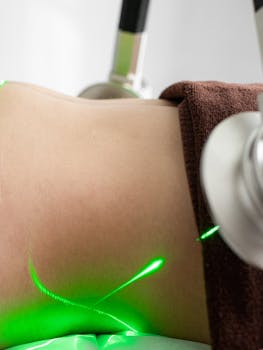
- Professional Treatments: Laser therapy or microneedling offered by dermatologists can be effective for stubborn suture scars.
For more information on skin care, you can explore the latest breakthroughs in skincare technologies that might aid in better scar management.
Psychological Impact of Scars
Scars from stitches can sometimes impact an individual’s self-esteem, especially when they occur on visible areas like the face. It is important to recognize that while physical appearance can be affected, scars are a testament to the body’s healing ability.
For detailed information on health and scar treatment, you can consult a dermatologist or explore resources from reliable sites such as Wikipedia’s article on scars.
In conclusion, while scars from stitches are a natural outcome of the healing process, there are various ways to manage and reduce their appearance. By understanding the factors that contribute to scar formation and employing appropriate treatment methods, individuals can improve the cosmetic outcomes of their healed stitches scars.
- Scars from stitches are inevitable but can be managed.
- Various factors influence scar formation, including location and skin type.
- Stitches offer effective wound closure but may result in suture scars.
- Proper post-suture care is vital for minimizing scars.
- Consult dermatologists for advanced scar treatment options.
FAQs
How long do scars from stitches last?
Scars from stitches can last anywhere from a few months to a lifetime, depending largely on factors like skin type, location of the wound, and the individual’s healing capacity.
Can old stitch scars be treated?
Yes, old stitch scars can often be treated with various methods such as laser therapy, microneedling, and silicone gel sheets, though results may vary.
What can I use to improve scar appearance?
Topical treatments like silicone gel, vitamin E, and moisturizing creams, combined with sun protection, can improve scar appearance.
Are there any risks with not following after-care instructions?
Not adhering to post-care instructions can lead to increased scarring and the potential for wound infection, underscoring the importance of proper care.
Is it normal for the skin to feel tight around a healed scar?
Yes, skin tightness around a healed scar is common as new collagen forms, but if it becomes uncomfortable, consulting a dermatologist is advisable.