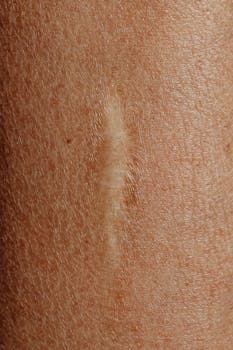
The journey through the stages of scar healing is a fascinating process that many of us experience at some point in our lives. Understanding the stages of scar healing can help ease concerns and manage expectations regarding scar appearance and recovery time. Whether from surgery, acne, or an accidental cut, scar formation is a natural part of the body’s healing process designed to repair damaged tissue.
Understanding the Stages of Scar Healing
To fully appreciate how scars heal, it’s essential to break down the scar healing stages into distinct phases. Each of these stages plays a critical role in returning the skin to its optimal state, even though the appearance may differ from the surrounding skin.
The Inflammatory Stage
This initial phase begins immediately after an injury and can last up to a week. During this time, the body focuses on stopping the bleeding and preventing infection. Blood vessels constrict, and platelets form a clot, creating a temporary seal over the wound. Following this, white blood cells flood the area to fight off potential infections, often causing redness and swelling.
The Proliferative Stage
During the proliferative stage, the body works to rebuild tissue structure. This process typically starts a few days after the injury and can last several weeks. New tissue and blood vessels form, and the wound starts to contract, pulling the sides together. Collagen, a protein that provides strength and structure, starts to be produced in larger amounts.
The Maturation Stage
The maturation stage can last several months up to a year or more. During this final phase, the newly formed tissue gains strength and flexibility. Scar tissue may change in appearance, lightening, or softening over time. Collagen fibers continue to remodel, and the scar becomes less noticeable.
The Scar Healing Stages Timeline
While the exact timeline can vary depending on the type and severity of the wound, as well as personal health factors, a general scar healing stages timeline offers a framework. The healing process can also be influenced by factors like age, nutrition, and skin type. Each individual’s journey through the stages of a scar is unique.
Factors Influencing Scar Healing
Several factors can affect how quickly and effectively scars heal. These include the location and depth of the injury, personal health, and even genetic predisposition. Proper care during each stage can greatly enhance the healing outcome. Keeping the wound clean, moist, and protected from the sun are key practices.
Scar Treatment Options
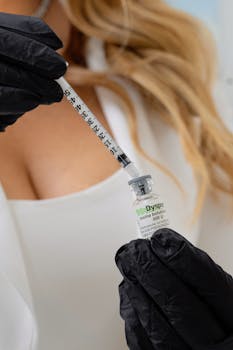
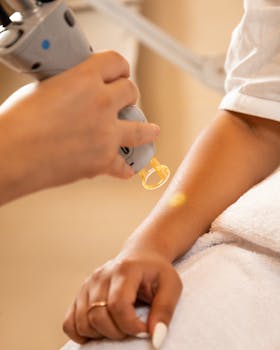
There are various treatments available to manage scar appearance. Non-invasive options, such as silicone gels or sheets, can help flatten and smooth scars. For more persistent scarring, clinical treatments like laser therapy or injections may be recommended. It’s always best to consult with a dermatologist to explore the most appropriate options for your specific situation.
For more insights on managing scar tissue, consider exploring our article on removing scar tissue with expert tips.
When to Consult a Professional
Though most scars are harmless and fade significantly over time, some may require professional attention. If a scar appears unusually painful, red, raised, or persists beyond the typical healing timeline, it might be wise to seek medical advice. Persistent scars can sometimes indicate underlying health issues.
For a comprehensive understanding of skin healing and health, the World Health Organization offers extensive resources.
Stages of Scar Healing: Conclusion
In conclusion, the stages of scar healing are critical to understanding the body’s recovery process. By familiarizing yourself with each phase, you can better care for your skin and set realistic expectations about scar resolution. Remember, while scars are a natural part of healing, they often improve with time and care.
- The stages of scar healing include inflammatory, proliferative, and maturation.
- Each phase plays a vital role in wound recovery and scar development.
- The healing timeline can vary based on multiple factors, including personal health.
- Proper wound care can enhance the healing process and minimize scarring.
- It’s important to seek professional advice if concerned about a scar’s appearance or healing.
What are the stages of scar healing?
The stages of scar healing include the inflammatory stage, proliferative stage, and maturation stage. Each stage is a crucial part of the healing process.
How long does it take for a scar to fully heal?
Scar healing can take anywhere from several months to over a year, depending on individual factors such as the type of wound and personal health.
Can scars disappear completely?
While scars can become less noticeable over time, they rarely disappear completely. Treatments may help improve their appearance.
What should I do if my scar isn’t healing properly?
If a scar is unusually painful, raised, or persistent, it is advisable to consult a healthcare professional for an evaluation.
Are there any treatments to improve scar appearance?
Various treatments, including silicone gels, laser therapy, and injections, are available to help improve the appearance of scars. Consulting with a dermatologist can provide personalized recommendations.