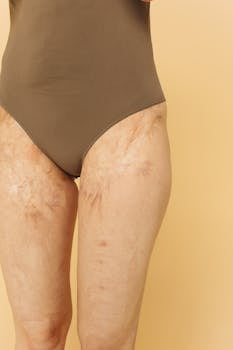
Undergoing a thigh lift is a significant procedure aimed at enhancing the appearance of the legs. As with any surgery, scars are an inevitable part of the healing process. Understanding what thigh lift scars after 2 years typically look like and how to care for them can help set realistic expectations and promote healing.
Understanding Thigh Lift Scars After 2 Years
Two years post-surgery, the appearance of thigh lift scars largely depends on individual healing responses, skin type, and the original surgical technique used. Most commonly, these scars have lightened significantly and become less noticeable. However, some might still have faint, lighter lines where the incisions were made. Understanding scar maturation and incorporating appropriate care can positively influence their appearance.
Factors Affecting Scar Appearance
Several factors contribute to the appearance of thigh lift scars after 2 years:
- Genetics: Your skin’s tendency to scar is often linked to genetic factors, including skin type and history of hypertrophic or keloid scarring.
- Surgical Technique: The methods used and skill of the surgeon can impact scar size and visibility.
- Post-Operative Care: Adhering to post-surgery guidelines plays a crucial role in scar healing. Protecting scars from the sun and avoiding strain on the thighs can minimize their development.
- Overall Health: Nutrition, hydration, and not smoking promote a healthier recovery and skin repair.
Caring for Thigh Lift Scars
Effective scar care post-surgery may support reduced visibility and improved skin texture. Here are some general tips for caring for your thigh lift scars after 2 years:
- UV Protection: Scar tissue is more susceptible to sun damage, possibly leading to darker scars. Using sunscreen protects the skin from UV rays.
- Moisturization: Keeping the skin hydrated with lotions or creams aids in maintaining skin elasticity and softness.
- Gentle Massage: Lightly massaging the scar area with prescribed ointments can improve circulation and promote healing.
- Scar Treatments: Over-the-counter or prescribed treatments such as silicone sheets or gels could help reduce scar appearance when used consistently.
Non-Invasive Treatments for Scar Minimization
For those seeking more active methods to reduce scar visibility, several non-invasive treatments are available:
- Laser Therapy: Known for reducing scar texture, laser treatments target areas of hyperpigmentation and reduce redness.
- Microdermabrasion: This procedure exfoliates the skin to encourage new skin growth, aiding in smoother scar texture.
Consulting with a dermatologist or a cosmetic surgeon can help determine the most suitable approach based on your skin type and scar characteristics.
For more detailed insights into scarring related to procedures, visit our article on inner thigh liposuction scars.
Managing Expectations Over Time
It’s essential to remember that while the visibility of scars might decrease significantly, they may not completely disappear. Realistic expectations are crucial to satisfaction with the outcome of your thigh lift scars after 2 years. The body continually remodels scars up to two years post-operation, and subtle improvements might still occur over time.
Consulting Healthcare Professionals
If concerns about scarring are distressing, consider discussing them with your healthcare provider. Personalized advice based on medical history and skin assessment can aid in choosing the best treatment options tailored to your needs.
For more information about scar care, you can consult resources from credible organizations like the Wikipedia Health page.
Thigh lift scars after 2 years typically become less prominent as they fade over time. Consistent care, realistic expectations, and consulting with medical professionals can support their best possible outcome.
- Thigh lift scars generally lighten and diminish over two years post-surgery.
- Caring for and managing scars involves consistent skincare and potential medical treatments.
- Non-invasive treatments like laser therapy can help improve scar appearance.
- Consult health professionals for personalized advice on scar treatments.
- Long-term realistic expectations contribute to satisfaction with surgical outcomes.
Frequently Asked Questions
Will thigh lift scars completely disappear?
While thigh lift scars may significantly improve and become less visible, they typically do not disappear completely. They often fade to a lighter color and blend better with surrounding skin over time.
Can scar creams eliminate thigh lift scars?
Scar creams and treatments can help minimize the appearance of scars but typically do not eliminate them. They aid in softening and hydrating the skin, which can improve the overall look of scars.
What is the best way to protect thigh lift scars?
Protecting scars involves minimizing sun exposure by using sunscreen, wearing protective clothing, and ensuring adequate hydration and skin moisturization.
Are there non-surgical ways to reduce scar visibility?
Yes, non-surgical treatments such as laser therapy, microdermabrasion, and silicone gel applications can be effective in reducing scar visibility.
When should I consult a doctor about my thigh lift scars?
If you notice unusual changes in your scar, such as pain, redness, swelling, or if you’re considering treatments for scar reduction, consulting a healthcare provider is advisable for personalized guidance.