With interest in personal appearance and confidence growing, individuals with thin or fine hair seek solutions like thin hair transplant to improve their hair density. This medical procedure has become a popular choice for those desiring a fuller head of hair without the hassle of wigs or extensions. But what exactly is a thin hair transplant, and who might benefit from it?
Understanding Thin Hair Transplant
A thin hair transplant is a surgical procedure designed to redistribute active hair follicles from denser parts of the scalp to areas with thinning hair. Unlike traditional hair transplants that may focus on more visibly bald areas, this method aims to enhance the volume of hair in areas where hair is sparse yet present. Patients with fine hair can benefit from this approach, as the grafting process is tailored to suit hair textures that are naturally more delicate.
How Thin Hair Transplants Work
The process of a thin hair transplant usually starts with a consultation where a specialist assesses the patient’s hair type, density, and overall health. For those with fine hair, specialized techniques such as Follicular Unit Extraction (FUE) or Direct Hair Implantation (DHI) might be recommended due to their precision and ability to handle the delicate nature of fine hair.
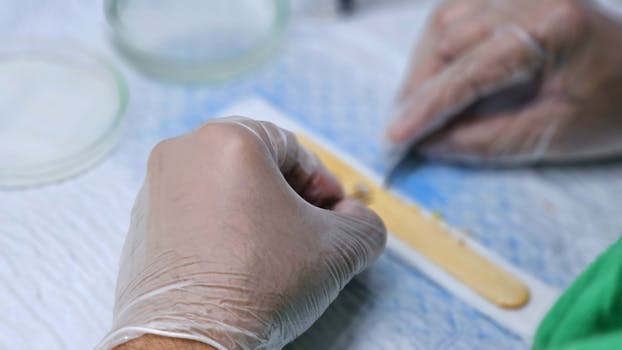
During the procedure, tiny incisions are made in the recipient area. Hair follicles are then grafted one by one to ensure a natural look and proper growth direction. Post-procedure, care is crucial to ensure that transplanted hair grows as expected and integrates seamlessly with existing hair.
Who Is a Suitable Candidate?
Not everyone is a candidate for a thin hair transplant. Ideal candidates usually include those experiencing thinning rather than total hair loss. For individuals with hair that is naturally fine or thinning due to genetic factors, a hair transplant for fine hair can offer significant improvements. It’s vital to have realistic expectations and understand that results can vary based on personal health factors.
Benefits and Limitations
A thin hair transplant can provide numerous benefits, including improved self-esteem and a youthful appearance. Unlike temporary solutions such as hairpieces, this method can offer lasting results. However, individuals should be aware of limitations. The transplanted area might initially appear sparse, and hair growth takes time, often several months, to become noticeable. Additionally, maintaining hair health through proper care and diet is essential to support the transplanted hair.
While thin hair transplants are generally safe, potential candidates should consult with health professionals to address any underlying conditions that might affect hair loss. Understanding the FDA guidelines for hair transplants can also help in making an informed decision.
Considerations and Innovations
Advancements in technology have made hair transplants for fine hair more effective and less invasive. Innovations such as robotic assistance in harvesting hair follicles have improved precision, reduced recovery time, and enhanced outcomes. As more people turn to sustainable and eco-friendly practices, they are also considering these aspects when selecting hair transplant methods.
If you’re exploring new avenues for maintaining healthy hair, our guide to eco-friendly skincare includes tips that apply to hair care as well.
Conclusion: Is a Thin Hair Transplant Right for You?
Ultimately, deciding on a thin hair transplant involves multiple factors, including personal goals, health status, and expert advice. It’s a significant decision that could lead to positive changes in appearance and confidence. As methods continue to evolve, this option becomes more appealing to those seeking natural-looking results. For individuals with fine hair, a thin hair transplant may be the perfect solution to enhancing hair density and achieving a fuller look.
- Thin hair transplants are designed for thinning areas rather than bald spots.
- Ideal candidates include those with fine hair or genetic thinning.
- Proper care and realistic expectations are critical for successful outcomes.
- Technological advancements are enhancing transplant efficacy and recovery.
- Consult a health professional for personalized advice.
FAQs
How long does it take to see results after a thin hair transplant?
Initial results can be seen in 3 to 4 months post-procedure, with more significant growth appearing around 6 to 12 months.
Are there any side effects associated with thin hair transplants?
Common side effects include minor swelling, redness, and scabbing around the transplant sites. These typically resolve within a few weeks.
Is a thin hair transplant permanent?
Transplanted hair is generally considered permanent. However, ongoing care is necessary to maintain overall scalp health.
How should I prepare for a thin hair transplant?
Pre-procedure instructions often include avoiding certain medications, alcohol, and smoking. Consult with your doctor for personalized guidance.
Can thin hair transplants address receding hairlines?
Yes, they can be effective for refining and enhancing hairlines, especially where thinning is present without complete hair loss.