Many people considering injectable treatments want clear, practical information about the different products available. In this guide we cover the types of botox you might hear about, what they treat, typical dosing ranges, and what results to expect. We’ll also address common safety questions so you can have an informed conversation with a licensed provider about whether botulinum therapy is right for you.
Different types of Botox products and how they differ
There are several commercially available formulations of botulinum toxin used for cosmetic and medical purposes. The most familiar brand names include Botox Cosmetic (onabotulinumtoxinA), Dysport (abobotulinumtoxinA), Xeomin (incobotulinumtoxinA), and Jeuveau (prabotulinumtoxinA). Although these products all contain botulinum toxin, they differ slightly in concentration, diffusion, recommended dosing, and manufacturing processes. This matters for a provider when planning a personalized botox procedure for lines, masseter slimming, or medical uses like chronic migraine.
What botulinum toxin treats: cosmetic and medical uses
Botox uses extend beyond smoothing forehead lines and crow’s feet. Cosmetic botox treatment for face commonly targets glabellar lines (between the eyebrows), forehead lines, and lateral canthal lines. Medical applications include hyperhidrosis (excessive sweating), chronic migraine prevention, cervical dystonia, spasticity, overactive bladder, and more. As a form of neurotoxin botox works by blocking nerve signals to muscles or glands, temporarily reducing activity in the targeted area.
Where does botox come from and is it safe?
If you ask, where does botox come from, the answer is that it is derived from the bacterium Clostridium botulinum and contains a purified form of botulinum toxin. That leads to understandable concerns: many people wonder, is botox toxin or even hear that botox is a poison. Technically botulinum toxin is a potent natural toxin, but in controlled, minute doses administered by trained clinicians it is used therapeutically and has a strong safety record for approved indications. For more on the biology and history, see this overview from a reputable source: Botulinum toxin — Wikipedia.
How much is injected: typical dosing and what it means
Dosing depends on the product, treatment area, and individual anatomy. Common examples for onabotulinumtoxinA (a common reference point): glabellar complex ~20 units total, lateral canthal lines (crow’s feet) ~6–12 units per side, and forehead lines ~10–20 units. Dysport units are not interchangeable with Botox units — conversions vary and your injector will adjust doses accordingly. For medical uses, doses and injection patterns differ substantially; for example, chronic migraine protocols use higher total units spread across multiple head and neck sites.
What to expect after a botox procedure
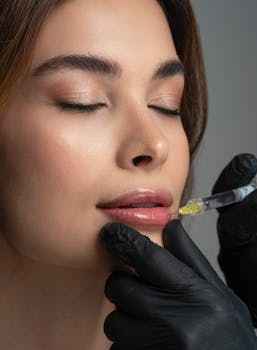
A typical botox procedure is quick, often 10–30 minutes depending on the number of areas treated. You may feel brief pinches or pressure during injections. Results usually begin to appear within 3–7 days and may continue improving up to two weeks. Effects commonly last 3–4 months, though individuals vary; repeat treatments are scheduled based on returning muscle activity and clinical goals. Common temporary side effects include mild bruising, headache, and localized soreness. More serious complications are rare when injections are performed by trained clinicians.
Considerations, contraindications, and alternative approaches
Not everyone is a candidate. If you have certain neuromuscular disorders, are pregnant or breastfeeding, or have active infection at the injection site, your provider may advise against treatment. Always disclose medications and health history before any neurotoxin injection. For those interested in broader skin-health approaches alongside injectables, exploring supportive routines can be useful—learn more about eco-friendly daily care and sustainable practices in our guide to healthy skincare: eco-friendly skincare and sustainable practices.
- Takeaways: Botox products are purified forms of botulinum toxin used both cosmetically and medically.
- Dosing varies by product, area treated, and individual anatomy; units are not interchangeable across brands.
- Results typically appear within days and last around 3–4 months; side effects are usually mild when done by trained clinicians.
- Although botox is a poison in high doses, therapeutic botulinum therapy uses controlled, tiny amounts to achieve benefits.
Is botox safe, and could it spread from the injection site?
When administered by experienced providers at appropriate doses, botox has a favorable safety profile for approved uses. Rarely, effects can spread beyond the injection zone, which is why precise technique, correct dosing, and following post-procedure advice are important.
How soon will I see results and how long do they last?
Most people notice improvement within 3–7 days, with full effect by two weeks. Typical duration is about 3–4 months, though longevity varies with muscle strength, metabolic differences, and treatment area.
Can botox treat medical problems like excessive sweating or migraines?
Yes. Beyond cosmetic applications, botulinum therapy is an approved treatment for conditions such as axillary hyperhidrosis (excessive underarm sweating) and chronic migraine prevention. Dosage and injection patterns differ from cosmetic protocols and require specialists trained in those medical indications.