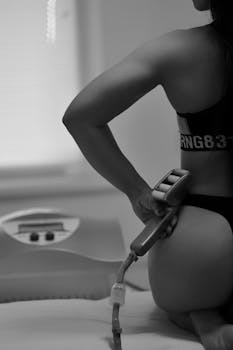
With the rise in popularity of non-invasive cosmetic treatments, the ultherapy machine home use concept has garnered significant attention. Many are curious about how these at-home devices compare to professional treatments. Ultherapy, primarily targeting skin tightening and lifting, uses ultrasound technology. Understanding its effectiveness and safety when used at home is crucial for potential users.
The Basics of Ultherapy Machine Home Use
Ultherapy is a skin-tightening procedure that utilizes focused ultrasound energy to stimulate collagen production. Professional ultherapy treatments are performed by licensed clinicians and are known for their ability to improve skin laxity on the face and neck without surgery. The idea of an ultherapy machine home use device offers convenience and the promise of youthful skin without clinical visits. However, there are important factors to consider before embarking on at-home treatments.
Understanding Ultrasound Skin Tightening for Home Use
Ultrasound skin tightening devices designed for home use aim to replicate some of the effects of professional ultherapy treatments. These devices operate with lower intensity levels to prioritize safety, as higher intensities require professional oversight to prevent burns or damage to the skin. Results from home devices may vary and are often subtler than those achieved in a clinical setting.
Home-based devices are marketed for their convenience, allowing users to fit treatments into their schedules without the need for appointments. However, they require consistent use and realistic expectations, as improvements are typically gradual and less pronounced than those seen with professional treatments.
Choosing the Best Ultherapy Home Device
When selecting an ultherapy home device, consider factors such as safety features, ease of use, and customer reviews. It’s important to opt for devices that have undergone testing and have proven safety mechanisms to manage risks associated with ultrasound energy. Researching the device thoroughly and considering professional advice can help in choosing the most effective and safe option.
Brands vary in terms of quality and cost, so it’s advisable to compare devices and read feedback from other users. If possible, consultation with a skincare professional or dermatologist can provide insight into practical expectations and which device might be a suitable choice for your specific skin concerns.
Potential Benefits and Limitations
Ultherapy at home offers potential benefits including the convenience of treatment at your own pace and location, as well as potential cost savings over professional procedures. There is also the appeal of privacy for individuals who prefer home settings for their beauty treatments.
However, there are notable limitations. The efficacy of results is often less than clinical treatments, requiring patience and diligent use. Moreover, without professional guidance, users might not target the most effective areas or use the device for the optimal duration. Consistent and proper use is key to achieving visible results.
Safety Concerns and Considerations
Safety is a predominant concern with any facial treatment, especially in treatments involving energy-based devices like ultrasound. While ultherapy home devices are designed to minimize risks, there remains the possibility of improper application leading to insufficient results or minor skin irritations.
Potential users should review device instructions and consider any underlying health conditions that may contraindicate use. Consulting with a healthcare professional before starting any at-home skin treatment is always advisable to ensure it’s suitable based on individual skin types and health conditions.
Related Reading for Further Insight
Those interested in non-invasive cosmetic enhancements may benefit from exploring what to expect during recovery from other procedures. For a broader understanding of cosmetic procedures, you might find our detailed guide on rhinoplasty recovery timelines particularly useful.
Understanding Alternatives and Professional Insights
While at-home solutions might provide more convenience, professional ultherapy treatments offer more potent results under expert supervision. Clinicians are trained to maximize effectiveness while minimizing risks, providing tailored treatments that cater to specific skin needs and desired outcomes.
For those considering ultherapy or similar procedures, a professional consultation could be beneficial. They can assess your skin type, discuss desired outcomes, and evaluate the suitability of various treatment options.
For more comprehensive information on ultrasound technologies and their uses in cosmetic procedures, consider exploring credible resources such as the Health topic on Wikipedia.
In conclusion, while the ultherapy machine home use offers appealing potential for skin tightening and rejuvenation, prospective users should consider efficacy, safety, and individual needs. Making an informed decision with the aid of research and professional advice will ensure the best outcomes.
- Ultherapy uses ultrasound energy for collagen stimulation.
- Home devices offer convenience but with limited efficacy compared to professional treatments.
- Safety guidelines and regular use are crucial for best results.
- Consulting a professional is recommended before beginning any new treatment.
- Exploring alternative treatments might yield more effective results for certain skin types.
FAQs
Is ultherapy suitable for all skin types?
Ultherapy is generally safe for a wide range of skin types, though it’s always best to consult with a dermatologist to ensure it’s appropriate for your specific skin conditions.
How long does it take to see results from home ultherapy devices?
Results from home ultherapy devices can vary. While some users may see gradual improvements over weeks, most results become apparent after consistent use for several months.
Are there any side effects associated with home ultherapy use?
Some users might experience mild skin irritation or redness. It’s essential to follow the device instructions carefully to minimize any adverse effects.
Can ultherapy be performed alongside other skin treatments?
Yes, ultherapy can often be combined with other non-invasive treatments. However, it’s important to consult with a healthcare provider to tailor a safe and effective skincare regimen.
Are there cost differences between at-home devices and professional ultherapy sessions?
At-home devices typically offer a cost-effective alternative to professional sessions, which might be more expensive but provide professional expertise and potentially more noticeable outcomes.