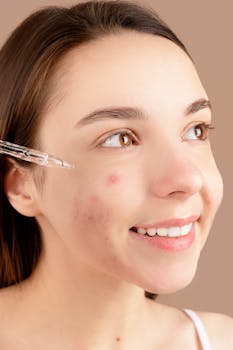
Hyaluronic acid is a naturally occurring substance in the body, but many people are curious about hyaluronic acid para que sirve. This remarkable compound plays a key role in skin hydration, joint health, and more. In this article, we will dive into the potential benefits and uses of hyaluronic acid and explore how it might enhance your overall well-being.
Hyaluronic Acid Para Que Sirve?
Hyaluronic acid is primarily known for its ability to retain moisture, making it a popular ingredient in skincare products. But its uses extend beyond just skincare. Here are various ways hyaluronic acid might benefit health and wellness:
1. Skin Hydration and Anti-Aging
As we age, the natural levels of hyaluronic acid in our skin decrease, leading to dryness and wrinkles. Applying hyaluronic acid in skincare products can help replenish these levels, providing a significant boost in skin hydration and reducing the visible signs of aging.
The humectant properties of hyaluronic acid draw moisture from the environment into the skin, making it appear plumper and more youthful. Regular use of serums and creams containing this acid may result in smoother and more hydrated skin.
2. Joint Health
Hyaluronic acid is also found in the synovial fluid of joints, where it acts as a lubricant and shock absorber. Some studies suggest that supplementing with hyaluronic acid may help support joint health by reducing inflammation and pain, particularly in conditions like osteoarthritis.
While results can vary, some individuals experience relief from joint discomfort when using supplements or receiving injections containing hyaluronic acid. Of course, it’s essential to discuss these options with a healthcare provider.
3. Eye Health
Hyaluronic acid is used in various eye surgeries and treatments, such as cataract surgery and dry eye relief. Its moisturizing properties help keep eyes lubricated, which is vital for maintaining overall eye health. Eye drops formulated with hyaluronic acid can be soothing for those experiencing dryness or irritation.
4. Healing Wounds
Some research suggests that hyaluronic acid may support wound healing. It is thought to regulate inflammation levels and prompt the body to build more blood vessels in areas of damaged skin, potentially hastening recovery. Its anti-inflammatory properties might reduce irritation at wound sites, aiding in faster healing.
5. Use in Dermal Fillers
In the cosmetic field, hyaluronic acid is a popular choice for dermal fillers, used to enhance facial contours and reduce the appearance of fine lines without surgery. These fillers can offer a temporary yet effective solution for cosmetic enhancement, increasing volume in areas like the cheeks and lips.
For those considering this option, consulting a licensed dermatologist is critical to ensure safety and effectiveness.
Considering how hydration impacts overall health and wellness, check out this article on the importance of proper hydration to your well-being.
Safety and Precautions
While hyaluronic acid has a strong safety profile, it’s always prudent to be cautious. Most people tolerate it well, but as with any supplement or skincare product, allergies or sensitivities can occur. Higher concentrations used in dermal fillers or injections should always be administered by healthcare professionals.
Patients with medical conditions or those taking prescribed medication should consult with their healthcare provider before starting new supplements or treatments.
For more extensive information about hyaluronic acid and its applications, consider exploring resources such as this detailed article on Wikipedia.
In summary, hyaluronic acid para que sirve can be multi-faceted, offering several potential health benefits. Whether through enhancing skin hydration, supporting joint health, or providing moisture to dry eyes, this incredible molecule deserves its place in the spotlight.
- Hyaluronic acid is crucial for maintaining healthy skin and joints.
- It is often used in skincare products for its hydrating effects.
- Injectable forms can support joint health and are used in cosmetic procedures.
- Consult healthcare professionals before using high concentrations or injections.
- Supplementary resources can offer more detailed insights into its benefits.
FAQs
What is hyaluronic acid?
Hyaluronic acid is a naturally occurring molecule in the body known for its ability to retain moisture and provide lubrication. It’s commonly used in skincare and joint products to promote hydration and comfort.
Can hyaluronic acid cause allergies?
While rare, some individuals may experience allergic reactions to hyaluronic acid. Symptoms may include redness, itching, or swelling, particularly at injection sites. It’s important to consult a healthcare provider if any adverse reactions occur.
Is it safe to use hyaluronic acid during pregnancy?
Topical hyaluronic acid products are generally considered safe during pregnancy, but if you have concerns, discussing them with a healthcare provider can provide personalized advice.
How often should I use hyaluronic acid skincare products?
Most people can use hyaluronic acid skincare products daily. For optimal results, applying a hyaluronic acid serum to damp skin followed by a moisturizer can enhance its hydrating effects.
Are there foods that naturally contain hyaluronic acid?
While few foods naturally contain hyaluronic acid, some, like bone broth and soy-based foods, may support the body’s production. A balanced diet and proper hydration are also essential for maintaining hyaluronic acid levels.