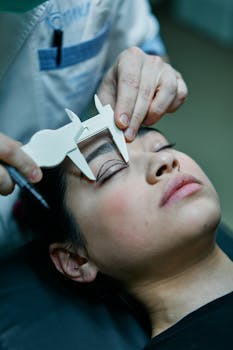
Upper blepharoplasty, commonly referred to as upper bleph, is a popular surgical procedure aimed at improving the appearance and function of the upper eyelids. Often sought after to address changes in the eyelids due to aging, genetics, or both, upper bleph can help reduce extra skin on the eyelid, giving a rejuvenated appearance and potentially improving vision obstructed by sagging skin.
Understanding Upper Bleph: What is Blepharoplasty?
Blepharoplasty, often known as eyelid surgery, is designed to remove excess skin, muscle, and sometimes fat from the eyelids. It’s performed for both functional reasons, like improving vision hindered by drooping eyelids, and cosmetic reasons, such as achieving a more youthful look. The procedure is also effective for hooded eyelid surgery, which helps in reshaping the eyes for a more open appearance.
How Is Blepharoplasty Performed?
The procedure for an upper bleph is typically done under local anesthesia with sedation or general anesthesia, depending on the complexity and patient preference. During the surgery, an incision is made along the natural crease of the upper eyelid to remove any fat and tighten the skin and muscles. This approach minimizes visible scarring. For those wondering how to lift eyelids or how to remove fat from eyelids, this technique is quite effective.
Who Performs Blepharoplasty?
Qualified plastic surgeons or ophthalmologists, with specialized training in eye surgery, usually perform blepharoplasty. When considering this surgery, it is crucial to choose a certified professional who has ample experience in eyelid procedures to ensure both safety and optimal results.
How to Qualify for Eyelid Surgery
Candidates for blepharoplasty typically include adults with healthy facial tissue and muscles. Some common issues that may prompt a consultation for this surgery include upper eyelids that overly sag or droop, lower eyelids that are baggy and droopy, and excess skin that interferes with peripheral vision. Before the surgery, a full evaluation is performed to determine if blepharoplasty is appropriate for achieving the desired outcomes.
Lower Lid and Upper Bleph: Differences and Considerations
Lower lid blepharoplasty specifically targets the lower eyelids to remove puffiness and sagging skin under the eyes. Often performed in conjunction with an upper eyelid surgery, this comprehensive approach can address a wider range of concerns around the eyes.
Combining upper and lower blepharoplasty can provide a more balanced and rejuvenated facial appearance. When looking at the entire eye area, an upper and lower eye lift can be an effective solution for those wanting to address both upper and lower eyelid concerns.
How Long Does Eyelid Surgery Last?
Blepharoplasty results can be long-lasting, though it is important to understand that individual results may vary. Generally, the effects of an upper eyelid surgery last about 5 to 7 years, while lower blepharoplasty can provide permanent results for many patients. Maintenance of results will depend on various factors, including skin type, lifestyle, and adherence to a proper skincare regimen.
Interested in learning how other procedures complement eyelid surgery? Explore our guide on fat transfer and breast augmentation at WellnessHQ.net.
Is Blepharoplasty Safe?
As with any surgical procedure, blepharoplasty carries some risks, but it is generally considered safe when performed by a qualified surgeon. A thorough preoperative examination will help mitigate these risks. Potential complications can include infection, bleeding, and temporary difficulty closing the eyes, but serious complications are rare.
For more detailed medical insights on eyelid surgery, see this Wikipedia article on Blepharoplasty.
Upper Bleph: Wrapping Up the Insights
Upper bleph provides significant functional and aesthetic benefits, particularly in restoring the eye area’s youthful and energized appearance. It is a reliable option for anyone looking to eliminate droopy eyelids, which can cause visual disturbances or cosmetic concerns. This surgery, along with its complementary procedures, underscores the importance of consulting with a medical professional to tailor the approach to individual goals.
- Upper bleph is designed to enhance both appearance and function of the upper eyelids.
- The procedure can relieve issues caused by extra skin on the eyelid.
- Blepharoplasty is performed by specialized and experienced surgeons.
- Candidacy for the surgery is determined during a comprehensive consultation.
- Eyelid surgery may be performed in conjunction with lower lid blepharoplasty for fuller results.
FAQs
What is a bleph?
A bleph, short for blepharoplasty, is a surgical procedure focused on correcting eyelid deformities, disfigurations, or cosmetic issues by the removal of excess skin or fat.
What is the difference between eyelid surgery and blepharoplasty?
There is no difference; eyelid surgery and blepharoplasty are terms used interchangeably to describe the surgical process to correct or improve eyelid appearance and function.
How long does blepharoplasty surgery take?
The procedure usually takes about 1 to 3 hours, depending on whether both upper and lower eyelids are being addressed and the complexity of the surgery.
How is eyelid surgery done?
Incisions are made strategically in the natural folds of the eyelids to remove or reposition fats, tighten muscles, and excise extra skin, resulting in minimal scarring and natural-looking outcomes.
How to get rid of eyelid fat non-surgically?
Some nonsurgical options include laser therapy and radiofrequency treatments that might help tighten the skin around the eyes, though they are less effective than surgical methods. Always consult with a dermatologist to explore the options that fit your needs.