Living with chronic migraines can be a daily struggle, which is why many people turn to Botox for relief. However, understanding what not to do after Botox for migraines is crucial to optimize recovery and ensure effective results. This guide will cover Botox treatment, including aftercare essentials and specific prohibitions to follow.
Understanding Botox for Migraines
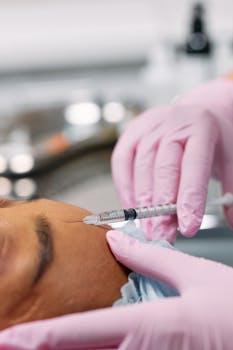
Botox is widely known for its cosmetic application, but it has proven beneficial for those who suffer from chronic migraines. Approved by the FDA for treating chronic migraine, Botox works by targeting nerve endings and reducing the onset of migraine episodes. The procedure involves small doses injected into specific sites around the head and neck.
The Role of Botox in Treating Migraines
For individuals experiencing migraines on 15 or more days a month, Botox may offer significant relief. It works by blocking the release of chemicals involved in pain transmission, effectively preventing migraine episodes. Typically, patients may start noticing improvements in frequency and severity after a few treatments.
Aftercare: What to Avoid Post-Treatment
Learning what not to do after Botox for migraines is part of understanding botox care. Following these guidelines can help you avoid complications and preserve the treatment’s efficacy:
- Avoid strenuous physical activity for at least 24 hours.
- Do not rub or massage the injection sites to prevent Botox from spreading.
- Stay away from excessive heat exposure, including saunas or hot tubs, immediately after treatment.
- Refrain from consuming alcohol for at least 24 hours as it may increase the risk of bruising.
Botox for Migraines Aftercare Tips
Besides knowing the restrictions, there are other aftercare practices that enhance the recovery process. Keeping the head elevated, especially during sleep, can help hasten recovery and reduce swelling. Applying a cold compress gently can alleviate mild discomfort at injection sites. Ensure you follow all post-treatment instructions provided by your healthcare provider.
What Not to Do After Botox for Migraines: Additional Considerations
Side effects from Botox are generally mild, but it’s important to be aware of them. Some might experience slight headaches or neck pain, while others could notice temporary bruising at the injection sites. Consult your doctor if you encounter severe or persistent adverse reactions.
For those interested in other post-treatment care information, read about the rhinoplasty recovery timeline to understand similar recovery principles.
Results and Recovery Time
Understanding the botox recovery time is also essential. Most patients start to notice a decrease in migraine occurrences within two weeks of treatment. The full benefits might be felt after several sessions, typically spaced about three months apart. Patience and adhering to the crucial aftercare steps can ensure optimal results.
Botox Guidelines and Insights
The effectiveness and safety of Botox for migraines have been supported by various studies and resources, including comprehensive health databases. For further in-depth information on how Botox works for migraine treatment, visit the Health section on Wikipedia.
Consistency and Follow-Up
To maintain the benefits of Botox, regular appointments may be necessary. Stick to the schedule recommended by your healthcare provider to ensure long-lasting relief from migraines.
Takeaways
- Botox effectively reduces migraine frequency for many chronic sufferers.
- Avoid physical exertion and heat exposure immediately following treatment.
- Follow your healthcare provider’s aftercare instructions for best results.
- Regular follow-ups ensure prolonged relief from migraine symptoms.
- Adherence to aftercare significantly impacts treatment efficacy.
Frequently Asked Questions
How soon can I return to normal activities after Botox?
Most individuals can return to their daily activities after 24 hours, avoiding strenuous exercise or activities.
Is it necessary to schedule regular Botox treatments?
Yes, consistent appointments help maintain symptom relief, with sessions recommended around every three months.
Will I experience pain after Botox for migraines?
Post-treatment discomfort is usually mild. Some might experience slight bruising or tenderness at injection sites.
Can I combine Botox with other migraine treatments?
Combining treatments should only be done after consulting healthcare providers to avoid adverse interactions.
What should I do if I experience severe side effects?
Contact your healthcare provider immediately if severe or unusual side effects occur post-treatment.