Axillary fat removal is a cosmetic procedure that aims to address the stubborn fat deposits located in the underarm area, more commonly referred to as the “bra bulge.” For many individuals, this area can be resistant to exercise and diet alone, prompting the consideration of professional removal methods. Understanding your options and the potential outcomes can help you make an informed decision on how to proceed with achieving your ideal silhouette.
Understanding Axillary Fat Removal
Axillary fat removal involves various techniques designed to reduce unwanted fat under the arm. These methods range from surgical interventions, such as liposuction, to non-invasive body contouring treatments. Each approach has its benefits and considerations, depending on personal health, goals, and lifestyle.
Surgical Options for Axillary Fat Removal
Liposuction is a popular surgical option for effectively removing axillary fat. This procedure involves the use of a thin tube, known as a cannula, to suction fat from the underarm area. It typically requires local or general anesthesia and may result in quicker, more noticeable results compared to non-invasive methods.
Another less common surgical choice includes excision, which involves making an incision and physically removing fat and tissue from the underarm. This option might be more suitable for people with excess loose skin in addition to fat.
For more details on costs and procedures, you can explore our guide on axillary liposuction costs.
Non-Surgical Treatment Alternatives
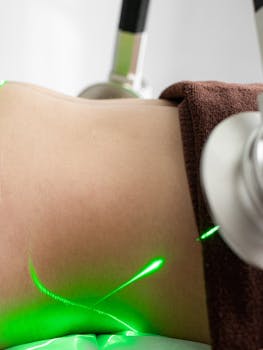
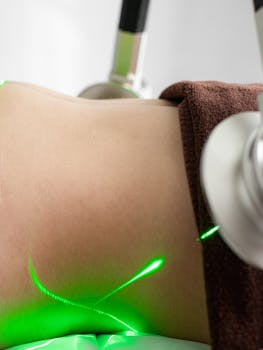
Non-surgical methods provide options for those who prefer less invasive procedures. Techniques such as CoolSculpting use controlled cooling to freeze and eliminate fat cells. Meanwhile, laser therapies apply heat to target and destroy fat cells, which the body then naturally processes and removes over time.
These treatments usually require multiple sessions, with results developing gradually. While often considered safer with lower recovery times, non-surgical options might not deliver as dramatic changes as surgical interventions.
Consulting with a Healthcare Professional
Before deciding on any treatment, it is crucial to consult with a qualified healthcare professional. Your clinician can assess whether you are a suitable candidate and recommend a personalized course of action. Factors to consider include skin elasticity, overall health, and personal goals.
Exploring the pros and cons alongside your healthcare provider ensures that you choose a method aligning with your expectations and medical profile.
Understanding Risks and Recovery
As with any procedure, axillary fat removal carries potential risks and requires an understanding of the recovery process. Surgical options like liposuction involve some downtime, during which patients may experience swelling, bruising, and discomfort.
Non-surgical treatments present fewer immediate risks but may result in mild side effects, such as temporary numbness or redness. It’s essential to adhere to your practitioner’s aftercare guidance to promote optimal healing and results.
The Psychological Impact of Axillary Fat Removal
For many, undergoing axillary fat removal can enhance self-esteem and confidence. Achieving a desired silhouette might positively influence social interactions and personal satisfaction with one’s appearance. However, it’s important to have realistic expectations and understand that results vary per individual.
Maintaining emotional well-being and having healthy, achievable goals are critical to the success and satisfaction with any cosmetic procedure.
For further reading on health-related topics, visit this informative article on health.
Is Axillary Fat Removal Right for You?
Deciding whether axillary fat removal is appropriate for you involves evaluating your personal goals, health status, and available options. Whether through surgical or non-surgical means, choosing the right procedure requires thorough research and consultation with healthcare professionals. If you’re considering this approach, understanding the techniques and potential outcomes is crucial to making an informed decision.
- Axillary fat removal targets underarm fat that may be resistant to exercise and diet.
- Surgical options provide quicker and more dramatic results but involve downtime.
- Non-surgical treatments are less invasive with reduced recovery time, yet require multiple sessions.
- Consulting with a healthcare professional is essential for personalized advice.
- Satisfaction depends on realistic expectations and understanding potential risks.
FAQs on Axillary Fat Removal
What is axillary fat removal?
Axillary fat removal is a cosmetic procedure aimed at reducing excess fat in the underarm area using surgical or non-surgical methods.
How long does recovery take after axillary liposuction?
Recovery from axillary liposuction can vary but generally takes a few weeks. Patients can expect some swelling and bruising, with a return to normal activities possible within a week or two.
Are there risks associated with non-surgical fat removal?
Non-surgical fat removal methods typically have less severe side effects, such as temporary numbness or redness, but it’s still important to follow post-treatment care instructions.
Can axillary fat removal improve self-confidence?
Yes, many individuals find increased self-esteem and confidence after removing unwanted fat from the underarm area, enhancing their satisfaction with their appearance.
Is axillary fat removal a permanent solution?
While axillary fat removal can significantly reduce fat, maintaining a balanced diet and regular exercise is necessary to preserve results and avoid future weight gain.