Liposuction is a widely sought-after procedure for individuals looking to eliminate stubborn fat. But does liposuction remove fat cells permanently, and what can one expect after the procedure? This article will delve into how liposuction works, its long-term effects, and important considerations for anyone thinking about undergoing this popular cosmetic surgery.
Does Liposuction Remove Fat Cells Permanently?
When liposuction is performed, fat cells are indeed removed from the body. This surgical procedure targets specific areas to suction out the unwanted fat deposits, which leads to a noticeable change in body contour. Once fat cells are removed, they do not grow back. However, this does not mean that future weight gain is impossible—remaining fat cells can expand if healthy lifestyle choices are not maintained.
How Liposuction Works
Liposuction procedures typically involve a small incision where a cannula, a thin tube, is inserted to loosen fat. This fat is then suctioned out, resulting in a slimmer appearance. The procedure mostly targets areas such as the abdomen, thighs, buttocks, and arms. It is crucial to have realistic expectations and understand that liposuction is not a weight-loss solution, but rather a way to contour the body by removing fat cells from specific areas.
The Results of Liposuction
Post-procedure, patients will notice a reduction in the size and volume of the targeted area. Because liposuction removes fat cells, the results are often long-lasting, as long as a stable weight is maintained. Fluctuations in weight can alter the appearance achieved through liposuction, even though the treated fat cells have been removed permanently.
Maintaining Results After Liposuction
To sustain the results of liposuction, it’s essential to follow a healthy diet and regular exercise regimen. While the procedure permanently removes fat cells from the treated areas, other fat cells in your body can still expand. Following an active lifestyle and balanced diet helps maintain positive outcomes long-term.
Liposuction Safety and Risks
Although liposuction is one of the most common cosmetic procedures, it carries some risks. Complications can include infection, scarring, or changes in skin sensation. It’s important to choose a qualified practitioner and have a thorough consultation to understand potential risks and how they can be minimized. For those interested in additional insights on cosmetic procedures, our comprehensive liposuction and BBL expert tips and FAQs are a helpful resource.
Liposuction vs. Non-Surgical Alternatives
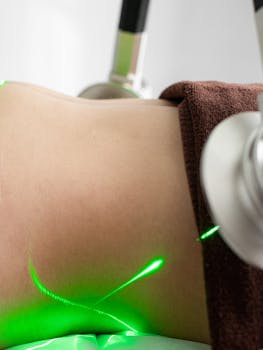
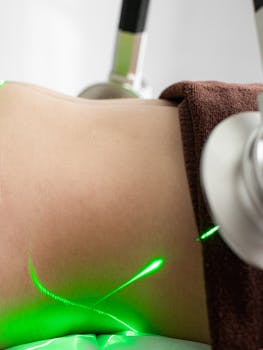
With advances in technology, there are non-surgical fat reduction methods available, such as cryolipolysis (freezing fat) and ultrasound treatments. These methods can destroy fat cells and require no downtime, though results are typically less dramatic than surgical liposuction. Consulting with a professional can help determine the most suitable approach depending on individual body goals.
Choosing the Right Surgeon
The success of a liposuction procedure greatly depends on the expertise of the surgeon. Ensuring that the surgeon is board-certified and has extensive experience in performing liposuction is critical. Personal recommendations, as well as professional testimonials, can also provide insight into the surgeon’s track record and patient satisfaction.
The Importance of Healthy Habits Post-Liposuction
Even though liposuction removes fat cells, maintaining a healthy lifestyle after the surgery is vital for lasting results. This includes eating a nutrient-rich diet, engaging in physical activity, and avoiding significant weight fluctuations. Understanding post-operative care and adjustments is a key component to enhance and preserve the results of the procedure.
Ultimately, does liposuction remove fat cells for good? Yes, it does. The removed fat cells will not return, but maintaining a commitment to health is necessary to prevent the enlargement of other fat cells left behind. If you’re considering liposuction, it’s recommended to educate yourself, weigh the benefits and risks, and consult with a qualified healthcare provider.
- Liposuction permanently removes fat cells from targeted areas.
- Maintaining a balanced diet and regular exercise is crucial to sustaining results.
- Consultation with a board-certified surgeon minimizes risks and improves outcomes.
- Non-surgical alternatives provide other options, but usually with less dramatic results.
- Understanding post-operative care is vital for achieving the best long-term results.
What areas of the body can liposuction treat?
Liposuction is commonly performed on areas such as the abdomen, thighs, buttocks, arms, and sometimes the neck and back.
Is liposuction a safe procedure?
While generally safe, liposuction carries risks like any surgical procedure. Choosing a qualified surgeon and discussing potential complications is important.
How much recovery time is needed after liposuction?
Most patients can resume normal activities within a few days, but full recovery can take weeks, depending on the extent of the procedure.
Are the results of liposuction permanent?
Results are long-lasting if the patient maintains a healthy lifestyle. Removed fat cells do not return, but remaining cells can enlarge with weight gain.
Where can I learn more about liposuction?
For additional information on liposuction and cosmetic surgery, visit Wikipedia’s health section.