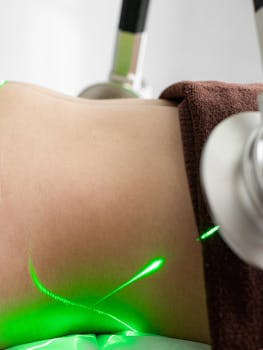
When it comes to considering options for mole removal, you might have come across the method of “burning off moles.” This technique, like others, can vary in effectiveness and safety, so understanding its nuances is essential. Moles are common skin growths composed of pigmented cells and can vary in appearance. While some are harmless, others might require attention due to potential health risks. Let’s explore safe and effective mole removal methods and considerations around burning off moles.
Understanding Burning Off Moles
The process of burning off moles, medically known as electrocauterization, involves using heat to remove moles. Heat is generated through electricity, allowing for precise removal of moles with minimal bleeding. This method can be an option for those seeking non-invasive procedures. However, it’s important to consult with a dermatologist to evaluate whether this technique is suitable for your skin type and mole characteristics.
Safe Methods for Removing Moles
The removal of moles should always prioritize safety and, ideally, be performed by a healthcare professional. Here are some common and safe methods:
- Surgical Excision: This traditional method involves cutting out the mole and stitching the skin. It’s often recommended for larger or suspicious moles.
- Laser Removal: Lasers are used to remove moles that are superficial. This method can minimize scarring and is suitable for cosmetically sensitive areas.
- Cryotherapy: This involves freezing the mole using liquid nitrogen, effectively destroying the tissue.
Each method has its advantages and considerations. Consulting a dermatologist will provide clarity on which is the most appropriate for you.
Reasons to Consult a Dermatologist
Before pursuing mole removal, speaking with a dermatologist is crucial. They can assess whether your moles might indicate underlying health issues, such as skin cancer. It’s important for dermatologists to evaluate changes in size, shape, or color of moles, as these could signal a need for medical intervention.
Risks and Side Effects
Like any medical procedure, mole removal can have potential side effects such as infection, scars, or changes in skin texture. Burning off moles, in particular, may cause discomfort during the procedure and can result in temporary skin discoloration or scarring. These side effects highlight the importance of professional supervision in mole removal procedures.
What to Expect During and After Removal
The process of burning off moles is typically straightforward. During the procedure, a local anesthetic is applied to minimize pain. Afterward, the area may remain red and tender for a few days as it heals. Applying prescribed ointments and following aftercare instructions helps reduce risk factors. It’s crucial to monitor the site for signs of infection or recurring growth.
An Innovative Product: Skin Cancer Soap
An interesting development in skin health is the creation of a skin cancer soap that has raised awareness on mole examination. While it doesn’t replace professional evaluation, innovations like these emphasize the importance of regular skin monitoring.
More about Skin Monitoring and Health
Regular skin assessments are vital for managing moles and other skin irregularities. Alongside professional check-ups, self-examinations help in early detection of abnormal growths. Stay informed on health practices through credible resources, like this one from Wikipedia’s health section, to make educated decisions regarding your skin’s health.
Choosing the right method for mole removal requires careful thought and professional guidance. Whether considering surgical options or burning off moles, prioritize safety and consult a qualified healthcare provider for personalized advice.
- Consult a dermatologist before any mole removal.
- Discuss risks and effectiveness of burning off moles.
- Follow proper aftercare for mole removal procedures.
- Regular skin checks contribute to better health monitoring.
- Innovative products can support skin health awareness.
FAQ
Can I remove moles at home?
It’s advised to avoid at-home mole removal as improper techniques can lead to complications. Professional evaluation ensures safe and effective mole management.
Are all moles dangerous?
Not all moles pose a health risk. However, changes in appearance can indicate potential issues. Regular monitoring and professional consultations are recommended.
What are the costs associated with mole removal?
Costs can vary based on procedure type, healthcare provider, and location. Insurance may cover removals if medically necessary. It’s best to discuss options with your healthcare provider.
Will burning off moles leave a scar?
There is a possibility of scarring with any mole removal procedure, including burning off moles. Discussing scarring likelihood with your dermatologist beforehand can set realistic expectations.
How can I prevent moles from forming?
While natural factors might affect mole formation, sun protection like using sunscreen, wearing protective clothing, and avoiding peak sun exposure can help reduce risk.