Many individuals seek effective strategies for fupa removal, a common concern related to excess fat around the lower abdomen, also known as the ‘FUPA’ or ‘fat upper pubic area.’ This area can be challenging to target through diet and exercise alone, prompting many to explore various methods for achieving a flatter abdomen.
Understanding Fupa Removal
Fupa removal involves reducing the fat deposit located in the lower abdominal region. This area can be particularly stubborn due to factors such as genetics, hormonal changes, and weight fluctuations. A combination of targeted exercises, dietary adjustments, and sometimes medical interventions can assist in addressing this concern.
Dietary Strategies
One of the first steps in addressing excess fat in the lower abdomen is to reconsider your dietary habits. Consuming a balanced diet rich in vegetables, lean proteins, and whole grains can help in overall weight management. Reducing sugar intake and avoiding processed foods may also contribute to fat loss and aid in achieving a flatter abdomen.
Exercise for a Flatter Abdomen
Incorporating specific exercises targeting the abdominal area can be effective in fupa removal. Activities that engage the core muscles, such as planks, leg raises, and bicycle crunches, can strengthen and tone the muscles under the fat deposit. Cardiovascular exercises like running, swimming, or cycling also promote overall fat loss by increasing calorie expenditure.
For more detailed guidance on maintaining a healthy diet and exercise plan, visit our article on effective weight management strategies.
Medical and Surgical Options
For some individuals, medical or surgical options may be considered to achieve desired results. Liposuction and tummy tucks are surgical procedures that directly address fat deposits in the abdominal area. Such interventions should be discussed with a qualified healthcare provider to understand the potential risks and benefits.
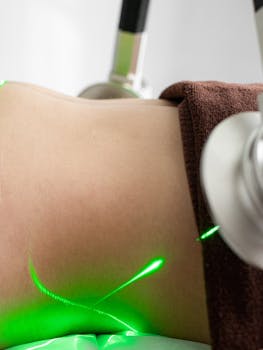
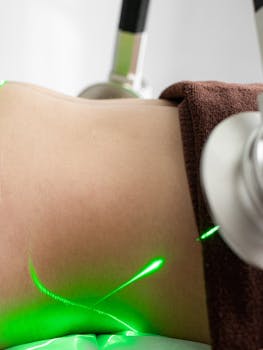
Additionally, non-surgical treatments such as laser therapy or cryolipolysis (fat freezing) can target fat cells without the need for invasive surgery. These options should be explored under the guidance of medical professionals.
Lifestyle Changes
Long-term lifestyle changes are critical for lasting results in fupa removal. Maintaining a consistent exercise routine and a balanced diet will help prevent weight regain. Additionally, managing stress and ensuring adequate sleep can influence body weight and fat distribution.
Conclusion
Addressing fupa removal requires a holistic approach that combines healthy eating, regular physical activity, and sometimes medical interventions. By adopting sustainable lifestyle habits, you can work towards achieving and maintaining a flatter abdomen over time. For more information on maintaining a healthy weight, you might find this Wikipedia article on health useful.
- Combine diet and exercise for effective fat loss.
- Target the core with specific abdominal exercises.
- Consider medical options if necessary, under professional guidance.
- Sustain lifestyle changes to prevent regaining fat.
- Consult healthcare providers for personalized plans.
What is FUPA, and why does it develop?
FUPA refers to excess fat that accumulates in the lower abdomen, often due to genetics, hormonal shifts, or weight changes. It can be influenced by one’s lifestyle habits and can be challenging to target.
Can exercise alone help in fupa removal?
While exercise is crucial for overall fat loss and strengthening the core, it should be combined with dietary changes for the best results in reducing fat in the lower abdomen.
Are there non-surgical options available for fupa removal?
Yes, non-surgical options like laser treatments and cryolipolysis are available. These should be considered with the advice of a medical professional.
How long does it take to see results from lifestyle changes?
The time frame for seeing results varies among individuals. Consistent efforts in diet and exercise can lead to noticeable changes in a few months, but patience and persistence are key.
When should medical intervention be considered?
Medical interventions should be considered when lifestyle changes do not yield desired results or when significant skin laxity is present. Discuss with a healthcare provider to explore options best suited for you.