Achieving a slimmer appearance and removing thigh fat is a common goal for many individuals searching to enhance their physical appearance and boost confidence. There are several effective strategies for thigh fat removal, ranging from lifestyle changes to medical procedures. Whether you aim to fit more comfortably into your clothes or simply wish for a leaner look, understanding various options and approaches can help you make informed decisions tailored to your needs.
Understanding Thigh Fat Removal
Before diving into specific methods, it’s crucial to understand what thigh fat removal involves. Thigh fat, like fat in other parts of the body, can be stubborn. It accumulates due to factors like genetics, diet, and lifestyle. While spot reduction is often discussed, effectively reducing thigh fat generally requires a combination of targeted exercise, dietary adjustments, and sometimes medical intervention.
Dietary Adjustments
What you eat plays a significant role in losing fat. Consuming a balanced diet rich in vegetables, lean proteins, and whole grains can support weight loss, including that of the thighs. Keeping a calorie deficit by burning more calories than consumed is essential. Healthy fats such as those found in avocados and nuts can also be beneficial when aiming to lose thigh fat.
Exercise Techniques
Exercise is indispensable for losing overall body fat, including thigh fat. Cardiovascular activities like running, cycling, and swimming are highly effective for calorie burning. Including strength training exercises such as squats, lunges, and leg presses can help tone and reshape thighs, promoting a more sculpted appearance.
Lifestyle Changes
Beyond diet and exercise, lifestyle changes can further enhance thigh fat removal efforts. Ensuring adequate sleep, managing stress, and keeping hydrated are small changes that contribute to weight loss. Limiting alcohol and quitting smoking are also recommended to foster a healthier lifestyle.
Medical Procedures
For those who seek a more immediate or substantial change, medical procedures can be considered. Liposuction is a popular option that involves physical fat removal from targeted areas, including thighs. If considering this, understanding the pros, cons, and outcomes of inner thigh liposuction can be helpful.
Non-Surgical Alternatives
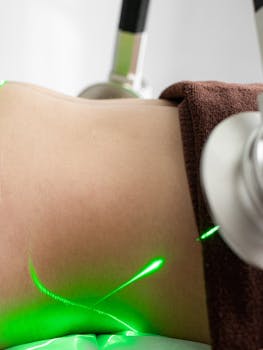
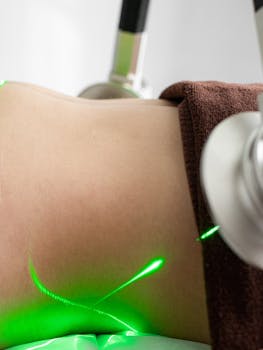
For individuals unwilling or unable to undergo surgery, non-invasive procedures such as CoolSculpting or laser treatments may be viable. These options involve less risk and no downtime, using advanced technology to target and reduce thigh fat.
Combining Methods for Best Results
A comprehensive approach often yields the best results. By combining dietary changes, consistent exercise, and possibly procedural intervention, individuals are more likely to see a reduction in thigh fat. Consulting with a healthcare professional can help create a personalized plan.
Maintaining Results and Health
After reducing thigh fat, maintaining these results is crucial. Continuous healthy eating and regular exercise are integral to preventing the return of fat. Additionally, consistently monitoring your progress and contacting a professional for any setbacks can help sustain your achievements.
In conclusion, whether through exercise, diet, or specialized procedures, thigh fat removal is attainable with persistence and knowledge. Exploring different strategies and consulting experts can pave the way toward effective fat reduction and a slimmer appearance. For further reliable information, you may refer to this article on health principles.
- Understand the causes and methods for thigh fat removal.
- Diet and exercise are pivotal components of a fat loss plan.
- Consider lifestyle changes and medical options when necessary.
- Combining methods often leads to superior results.
- Maintaining results requires ongoing dedication and healthy choices.
FAQ
What are the most effective exercises for thigh fat reduction?
Exercises like squats, lunges, and cardio workouts such as running or cycling are very effective for reducing thigh fat.
Can dietary changes alone reduce thigh fat?
While dietary changes are important, combining them with exercise is generally more effective for reducing thigh fat.
Are non-surgical procedures for thigh fat removal safe?
Non-surgical procedures like CoolSculpting are generally considered safe, but it’s best to consult with a healthcare provider for advice specific to your needs.
What role does hydration play in reducing thigh fat?
Staying hydrated helps maintain a healthy metabolism and can support overall weight loss efforts, which includes thigh fat reduction.
Is it possible to target fat loss specifically in the thighs?
Spot reduction is largely a myth; however, targeting thigh muscles through exercise while adopting a healthy lifestyle can lead to reduced fat in that area.