If you’re looking to reduce lower back fat above buttocks, you’re not alone. This particular area can be stubborn and challenging to target, but with the right approach, you can achieve a more flattering silhouette. Understanding the factors contributing to fat accumulation on top of the buttocks is the first step in addressing it effectively.
Understanding Lower Back Fat Above Buttocks
Lower back fat above the buttocks can be influenced by several factors, including genetics, lifestyle, and hormonal changes. This area is often resistant to quick fixes, requiring a combination of targeted exercises and dietary adjustments to see significant improvements.
Genetic and Hormonal Influences
Genetics play a crucial role in fat distribution across the body. Some people might naturally carry more fat on top of the buttocks due to their genetic predisposition. Hormonal fluctuations, particularly during menopause, can also shift fat storage patterns, leading to additional fat on top of the butt.
Exercise to Address Stubborn Back Fat
Incorporating specific exercises into your fitness routine can help tone the muscles around the lower back and buttocks, potentially reducing the appearance of fat. Key exercises include:
- Deadlifts: Improve core strength and target the lower back and glutes.
- Bridges: Work on strengthening the glutes and lower back.
- Back extensions: Focus on the muscles along the spine and lower back.
These exercises, along with a full-body workout routine, can contribute to overall fat loss and muscle toning.
Dietary Considerations
Diet plays an essential role in reducing overall body fat, including the fat on top of the buttocks. A balanced diet that’s rich in whole foods and low in processed sugars can support weight management. Incorporating lean proteins, plenty of vegetables, and healthy fats will help you stay full while providing necessary nutrients.
Drinking plenty of water and reducing intake of high-calorie beverages like sodas and sugary drinks can also be beneficial. Monitoring portion sizes is another important factor in managing calorie intake effectively.
Lifestyle Changes for Long-term Success
Adopting healthy habits can make it easier to maintain a lower body fat percentage in the long term. Regular physical activity, ample rest, and stress management are all crucial components. Techniques such as yoga or meditation can also improve mental well-being, supporting both physical health and motivation.
For those interested, understanding more about how certain medications, such as Ozempic, might affect digestive health can be beneficial. You can find an informative article on this topic by visiting our guide to Ozempic and heartburn.
Medical Perspectives
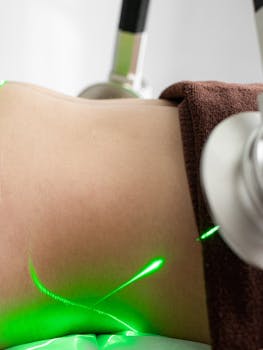
Consulting a healthcare professional for personalized advice could be helpful, especially if despite making lifestyle changes, there’s little improvement. In some cases, medical interventions like liposuction or non-surgical body contouring might be considered, although these options should be discussed comprehensively with a clinician.
Conclusion: Achieving Your Goals
Reducing lower back fat above buttocks takes time and consistency, but it’s achievable with a strategic, balanced approach. By combining exercise, dietary modifications, and lifestyle changes, you can work toward a flatter, more toned appearance.
- Lower back fat can be influenced by genetics and lifestyle.
- Targeted exercises and healthy eating can help reduce fat above the buttocks.
- Consistency is key to achieving long-term results.
- Consult with healthcare providers for personalized advice.
- Non-surgical options exist for those seeking medical interventions.
FAQ
Can I target fat loss specifically in the lower back and buttocks area?
Spot reduction is generally ineffective, but strengthening exercises can tone muscles in specific areas and contribute to overall fat loss.
What are the most effective exercises for reducing lower back fat above the buttocks?
Exercises such as deadlifts, bridges, and back extensions can target and strengthen the lower back and gluteal muscles.
How does diet affect fat accumulation in these areas?
A balanced diet rich in whole foods, lean proteins, and vegetables can support overall fat loss and reduce fat accumulation.
When should I consider consulting a healthcare professional?
If lifestyle changes do not yield results, or if you’re considering medical interventions, it’s advisable to consult a healthcare provider for guidance.
Are there any medical procedures to reduce fat on top of the buttocks?
Yes, options like liposuction and body contouring exist, but they should be discussed with a healthcare professional to understand their suitability and risks.
For more comprehensive health information, visit trusted resources such as the Health section on Wikipedia.