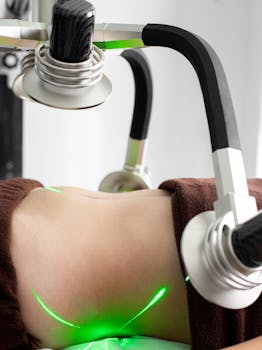
In the quest for a slimmer physique, many people turn to various body-sculpting options. Among these, laser lipo stands out as a modern, minimally invasive alternative. But what is laser lipo, and how does it function to reduce fat effectively? This article delves into the mechanics of laser-assisted liposuction, comparing it with traditional methods and exploring its benefits.
What Is Laser Lipo?
Laser lipo, or laser liposculpture, is a cosmetic procedure that employs laser technology to melt fat cells before their removal. Unlike traditional liposuction, which physically suctions fat from the body, laser lipo uses targeted laser energy to liquefy fat, making it easier to extract with minimal trauma to surrounding tissues.
How Does Laser Lipo Work?
The process of laser lipo begins with a tiny incision in the target area. A thin laser fiber is then inserted beneath the skin. The heat from the laser breaks down fat cell membranes, converting the fat into an oily substance. This liquefied fat is either naturally processed by the body or gently suctioned out immediately.
Moreover, the heat from the laser promotes collagen production, resulting in skin tightening and improved contouring. This dual effect of fat reduction and skin tightening is a primary reason why laser lipo is a popular choice for body sculpting.
Does Laser Liposuction Work?
Laser liposuction, also known as laser lipolysis, is effective for many individuals seeking to reduce localized fat deposits. The procedure is particularly beneficial for areas like the abdomen, thighs, arms, and chin. The minimally invasive technique usually results in less bruising and a quicker recovery compared to traditional liposuction. However, as with any medical procedure, outcomes vary based on the individual’s body type and lifestyle habits.
Benefits of Laser Lipo Treatment
One of the main advantages of laser lipo treatment is the precision it offers. The controlled nature of the laser allows for targeted fat removal with reduced risk of uneven contours. Additionally, the skin tightening effect is a significant benefit, addressing concerns about loose skin after fat removal.
Another compelling benefit is the shorter recovery time. Most patients experience minimal bruising and swelling, allowing them to return to their daily activities quickly. The improved cosmetic outcomes and faster recovery make laser lipo an appealing choice for those seeking aesthetic enhancements without significant downtime.
Laser Lipo vs. Traditional Liposuction
While both laser lipo and traditional liposuction aim to remove unwanted fat, they differ in technique and effect. Traditional liposuction physically removes fat, often requiring larger incisions and resulting in a longer recovery period. In contrast, laser lipo uses thermal energy for a less aggressive fat breakdown and skin-tightening effect.
Despite these differences, the choice between the two should be guided by personal goals, the location of fat deposits, and consultation with a qualified clinician. For a detailed comparison of the risks and recovery associated with laser lipo, visit our article on laser lipo risks and recovery.
Potential Risks and Considerations
While laser lipo is generally deemed safe, it is crucial to be aware of potential risks and considerations. These may include temporary irritation, minor swelling, and, in rare cases, burns from the laser heat. Choosing an experienced professional and having an open discussion about your health history and aesthetic goals can help minimize these risks.
Because laser lipo is elective, prospective candidates should have realistic expectations and understand that it complements, not replaces, healthy lifestyle habits. For anyone considering the procedure, undergoing a thorough consultation with a licensed provider is a key step.
External Resources to Consider
Learn more about the science and safety standards of cosmetic procedures by visiting the FDA’s resources on medical and cosmetic devices, a credible source for understanding the nuances of medical devices and procedures.
As interest in “how does laser liposuction work” grows, understanding its scope and impact becomes crucial. Whether explored through its aesthetic benefits or compared to traditional methods, laser lipo emerges as a valuable fat reduction tool for many. If you’re further curious about what is laser lipo, consider consulting a clinician to explore personalized options.
- Laser lipo uses laser technology to liquefy and remove fat cells.
- It offers skin tightening benefits as well as fat removal.
- The procedure typically allows for quicker recovery than traditional liposuction.
- Outcomes can vary; realistic expectations and follow-up care are crucial.
- Consulting a qualified specialist can help tailor the procedure to individual needs.
What areas can laser lipo treat?
Laser lipo is effective on multiple body parts, including the abdomen, thighs, arms, chin, and neck.
Is laser lipo painful?
Most patients report minimal discomfort during and after the procedure, often described as a tolerable warmth in the treated area.
How long do results from laser lipo last?
While laser lipo results can be long-lasting, maintaining a healthy lifestyle with a balanced diet and regular exercise is essential to preserve the results.
Who is an ideal candidate for laser lipo?
The ideal candidate is someone close to their ideal weight with specific areas of unwanted fat and good skin elasticity. A consultation with a healthcare provider will determine suitability.
How does laser lipolysis work best?
Laser lipolysis works best for spot-reducing stubborn fat areas that do not respond well to diet and exercise, combined with a commitment to maintaining a stable weight post-treatment.