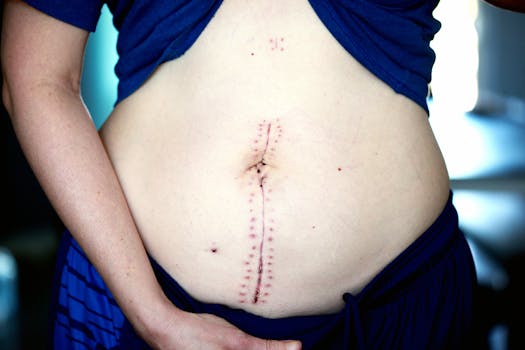
Rectus diastasis, often known as diastasis recti, refers to the separation of the abdominal muscles along the midline of the torso. This condition is frequently seen in postpartum women, but can also affect men and women who have undergone rapid weight changes or abdominal surgery. Recognizing and managing rectus diastasis is integral to restoring core strength and stability, which is essential for overall health and fitness.
Understanding Rectus Diastases
Rectus diastases occurs when the connective tissue, known as the linea alba, that binds the right and left sides of the rectus abdominis weakens or stretches. This can lead to a range of symptoms, including a bulging belly, lower back pain, poor posture, and difficulty in performing certain movements. Addressing rectus diastases involves appropriate exercises, lifestyle adjustments, and, in some cases, medical interventions.
Identifying Rectus Diastases
Identifying rectus diastasis requires careful self-evaluation or professional diagnosis. To self-assess, lie on your back with your knees bent and feet flat, and perform a small crunch movement. If you feel a gap or a dome-like protrusion along your midline, this may indicate diastasis. A healthcare provider can confirm the diagnosis and provide a tailored treatment plan.
Exercise Strategies for Core Strength
Exercise plays a vital role in managing rectus diastases. However, traditional abdominal exercises such as crunches and sit-ups may exacerbate the condition. Instead, focus on engaging the deeper core muscles. Some beneficial exercises include:
- Pelvic Tilts: Strengthen the lower back and core without straining the abdominal wall.
- Deep Breathing: Promotes engagement of transverse abdominal muscles through diaphragmatic breathing.
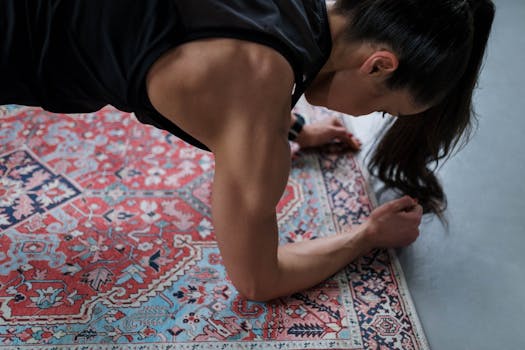
- Modified Plank: Initiate with knees on the floor to avoid excessive pressure on the abdominal wall.
- Toe Taps: Work the core with controlled leg movements while lying on your back.
Integrating Lifestyle Modifications
Apart from targeted exercises, lifestyle modifications can support the healing process. Maintaining a healthy weight, practicing good posture, and avoiding heavy lifting can prevent additional stress on the abdominal region. Furthermore, a balanced diet rich in nutrients can support tissue repair and overall well-being.
When to Seek Medical Intervention
In cases where rectus diastases is severe or causes significant discomfort, medical intervention may be necessary. Physical therapy can offer structured guidance, while surgical options, such as a tummy tuck, are viable for severe cases that do not respond to other treatments. Consulting a healthcare professional for an individualized care plan is crucial.
Exploring emerging treatments and technologies may also offer promising avenues for managing and correcting rectus diastasis. For instance, nonsurgical therapies involving electrical muscle stimulation and ultrasound are being researched for their efficacy in core muscle reconstruction.
Additional Resources
For more on related health strategies and innovative treatments, such as how Semaglutide could slow down the aging process, explore our relevant articles.
To further understand the implications and general health topics, visit Wikipedia’s comprehensive health article.
Conclusion on Rectus Diastases
Managing rectus diastasis requires a multifaceted approach that includes exercises, lifestyle adjustments, and occasionally medical interventions. Whether you are postpartum, have experienced significant weight changes, or simply wish to enhance your core strength, understanding and addressing the condition of rectus diastases can help you achieve improved physical health and well-being.
- Rectus diastasis involves separation of abdominal muscles along the midline.
- Correct diagnosis through self-assessment or professional evaluation is important.
- Exercise regimens should focus on gentle core strengthening rather than traditional abdominal training.
- Lifestyle changes such as avoiding heavy lifting can support healing.
- Medical treatment options are available for severe cases.
FAQ
What causes rectus diastasis?
Rectus diastasis is typically caused by pressure on the abdominal wall, which can occur due to pregnancy, obesity, rapid weight changes, or abdominal surgery.
Can rectus diastasis occur in men?
Yes, while it is more common in postpartum women, men can also develop rectus diastasis from weight fluctuations, heavy lifting, or surgery.
Can exercise fully correct rectus diastasis?
Exercise can significantly improve core strength and reduce symptoms, but severe cases may require medical intervention for full correction.
When should I see a healthcare provider for rectus diastasis?
If you experience significant discomfort, lack of improvement with home exercises, or are unsure of your diagnosis, consult with a healthcare provider.
Are there nonsurgical treatments for severe rectus diastasis?
Nonsurgical options like physical therapy are available, and innovative treatments are being developed, but consult a health professional for the best approach.