The mons pubis is a fleshy area located above the pubic bone, serving as a cushion for underlying structures. Swelling in this region can be perplexing and may prompt concerns about its normalcy. Understanding the potential causes and treatments for this condition is crucial for your peace of mind and health.
Understanding Swelling Mons Pubis
Swelling of the mons pubis can occur due to various reasons, ranging from harmless to conditions requiring medical attention. It’s important to observe accompanying symptoms and changes to determine whether this swelling is a natural occurrence or something that warrants a medical consultation.
Common Causes of Swelling
Several factors can lead to swelling of the mons pubis, including:
- Hormonal Changes: Hormonal fluctuations during menstrual cycles, pregnancy, or menopause can cause fluid retention, leading to swelling.
- Infections: Infections like folliculitis or cellulitis can cause inflammation and swelling.
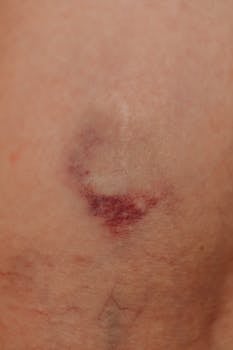
- Injury or Trauma: Physical trauma or surgical procedures can cause localized swelling as part of the healing process.
- Lymphatic Blockage: Issues with lymphatic drainage can lead to edema and swelling.
Diagnosing Swelling
If you experience persistent or severe swelling, consulting with a healthcare provider is advisable. A clinician will typically conduct a physical examination, review your medical history, and may order additional tests, such as imaging or blood work, to pinpoint the cause.
Treatment Options
Depending on the underlying cause of swelling, several treatment options may be considered:
- Medication: Antibiotics might be prescribed for infections, while anti-inflammatory medications can reduce swelling caused by injury or inflammation.
- Lifestyle Modifications: Reducing sodium intake can help minimize fluid retention. Regular exercise can improve circulation and lymphatic drainage.
- Warm Compresses: Applying a warm compress can relieve pain and reduce swelling by improving blood flow.
For natural approaches to managing edema, explore our article detailing holistic treatment options.
When to Seek Medical Attention
Swelling that is painful, persistent, or accompanied by other concerning symptoms like fever or changes in skin color should be evaluated by a healthcare professional. Prompt evaluation can prevent complications and ensure appropriate treatment.
Swelling of the mons pubis must not be ignored if it poses discomfort or displays atypical symptoms. For more comprehensive information on health-related topics, you can visit this informative page on health.
- Swelling of the mons pubis can result from hormonal changes, infections, trauma, or lymphatic issues.
- Consult a healthcare provider for persistent or severe swelling.
- Treatment varies based on the underlying cause, often involving medication or lifestyle changes.
- Monitor for pain, changes in skin color, or the presence of fever as these warrant medical attention.
FAQs
Is swelling mons pubis always a sign of infection?
No, swelling mons pubis is not always indicative of infection. It can also be the result of hormonal changes, trauma, or other non-infectious causes.
What home remedies can help alleviate swelling?
Applying warm compresses, reducing salt intake, and engaging in regular physical activity may help alleviate swelling in the mons pubis area.
Should I be concerned if the swelling is painless?
If the swelling is painless and not accompanied by other symptoms, it may not be urgent. However, if the swelling persists or you are concerned, consulting with a healthcare provider is a prudent step.
Can hormonal contraceptives cause swelling in the mons pubis?
Hormonal contraceptives can sometimes cause fluid retention, leading to mild swelling. Discuss any concerns about side effects with your healthcare provider.
When does swelling require immediate medical attention?
Immediate medical attention is advised if swelling is accompanied by severe pain, fever, or significant changes in skin color.