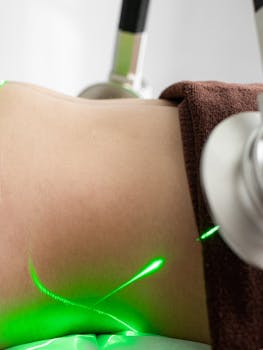
Lipedema, often referred to as “fat legs,” is a chronic medical condition characterized by the abnormal accumulation of fat, primarily in the legs and sometimes in the arms, that can lead to pain and other complications. This condition is often misunderstood and confused with obesity or lymphedema, though it has distinct characteristics. Understanding lipedema is crucial for effective management and treatment of the condition.
Understanding the Symptoms and Diagnosis of Lipedema or Just Fat Legs
Lipedema is recognized by a symmetrical buildup of fat in the legs, sparing the feet. Affected individuals may notice a disproportionate fat distribution, with their legs appearing significantly larger than their upper bodies. This condition can be painful and may bruise easily due to increased fragility of the blood capillaries.
Early diagnosis is essential yet challenging, as many healthcare providers may not be familiar with the condition. Diagnosis is typically based on clinical evaluation, patient history, and by ruling out other conditions like lymphedema. Diagnostic criteria include the presence of symmetrical swelling, sensitivity to touch, a feeling of heaviness, and sometimes hormone-related triggers.
Exploring Treatment Options
While there is currently no cure for lipedema, several treatment options can help manage symptoms and improve quality of life. These may include:
- Compression therapy: Wearing compression garments can help reduce swelling and pain. The pressure from these garments can aid in promoting circulation and reducing fluid retention.
- Physical therapy: Specialized exercises can enhance mobility and strength in affected areas, reducing pain and improving function.
- Diet and lifestyle changes: While typical weight loss strategies may not directly reduce lipedema fat, maintaining a healthy diet and regular exercise can be beneficial for overall health and managing symptoms.
- Liposuction: Lymph-sparing liposuction is a surgical option that may be considered in advanced cases. It involves removing excess fat to improve limb shape and alleviate symptoms, though long-term benefits and risks should be discussed with a qualified surgeon.
As every individual’s experience with lipedema is unique, treatments should be tailored to personal needs and guided by healthcare professionals.
Lipedema or Just Fat Legs? Understanding the Differences
It is important to differentiate lipedema from other conditions or weight-related issues. Unlike simple fat accumulation from dietary habits, lipedema is a disorder of fat distribution that is generally resistant to diet and exercise. It is vital for individuals to seek a healthcare provider experienced in diagnosing lipedema to ensure an accurate assessment.
Individuals with swollen legs should consider consulting with a medical professional to explore natural treatment options for swelling and to rule out other potential health issues.
Living with Lipedema
Managing life with lipedema involves not only medical treatments but also emotional and psychological support. Connecting with support groups or patient associations can provide valuable community and sharing of experiences. Understanding and accepting the condition can transform the journey to be manageable.
Engaging in regular, low-impact exercises, such as swimming or walking, can help maintain mobility and improve mood. Emotional support from loved ones and mental health professionals can play a crucial role in coping with the persistent challenges associated with lipedema.
Research and Future Directions
Research into lipedema is ongoing to better understand its causes and develop more effective treatments. Studies are examining the roles of genetic, hormonal, and environmental factors in the development and progression of the condition. There are also efforts to raise awareness and educate healthcare providers about lipedema.
For additional authoritative information on lipedema, the Wikipedia page on health offers a starting point for understanding the broader context of such chronic conditions.
Lipedema, referred to as fat legs, remains a challenging condition requiring comprehensive management strategies and a supportive approach tailored to individual needs.
- Lipedema is a chronic disorder characterized by abnormal fat distribution, predominantly in the legs.
- Early diagnosis and personalized treatment plans are essential for managing symptoms effectively.
- Compression, physical therapy, and potentially liposuction are treatment options.
- Emotional and community support play vital roles in living with lipedema.
- Ongoing research aims to improve understanding and treatment of the condition.
What is lipedema, and how is it different from obesity?
Lipedema is a chronic condition resulting in abnormal fat accumulation primarily in the legs, causing pain and mobility issues, which is not necessarily related to overall obesity or weight gain.
Can lipedema be cured?
While there is currently no cure for lipedema, symptoms can be managed with various treatments, including compression therapy, physical exercises, and surgery.
Who is most at risk for developing lipedema?
Lipedema primarily affects women and is often related to hormonal changes, such as those occurring during puberty, pregnancy, or menopause.
Is diet effective in reducing lipedema fat?
Diet alone is not effective in reducing lipedema fat because it involves specific fat distribution disorder, but it can improve overall health and symptom management.
How can someone support a loved one with lipedema?
Offering emotional support, encouraging medical consultations, and facilitating a supportive environment for exercise and therapy can significantly help someone with lipedema.