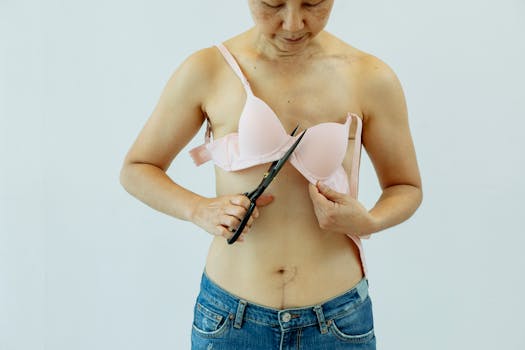
Living with heavy breasts can present unique challenges that affect both physical comfort and overall quality of life. These challenges often include discomfort, back pain, difficulty finding properly fitting clothing, and sometimes, emotional distress. It’s essential to understand the strategies available to manage these issues effectively and enhance comfort. Whether through lifestyle adjustments, support garments, or professional consultations, there are ways to address the discomfort associated with heavy breasts for a healthier, more comfortable life.
Understanding Heavy Breasts
Heavy breasts can be a natural part of body composition for many women, while other times they might develop after weight gain or hormonal changes. Regardless of the cause, there are common considerations and solutions that can help manage the daily challenges they might present. Apart from physical discomfort, individuals with heavy breasts might experience difficulty in finding suitable attire and may also encounter emotional concerns related to body image.
Physical Discomfort and Solutions
One of the primary concerns with heavy breasts is the physical discomfort, which often manifests as neck, back, and shoulder pain. This discomfort can impact daily activities and overall quality of life. To help alleviate these symptoms, consider the following tips:
- Supportive Bras: Opt for bras that offer substantial support, such as those with wide straps and underwires. These can help distribute weight more evenly across the shoulders and back.
- Posture Correction: Maintaining good posture can significantly relieve tension in the neck and back. Exercises that strengthen the back and shoulders may support better posture.
- Professional Support: A physical therapist can provide personalized exercises to strengthen the upper body and suggested modifications to daily habits that might mitigate discomfort.
Emotional Well-being and Self-Image
Heavy breasts can sometimes be linked to self-image issues. It is essential for individuals facing such challenges to foster a positive view of their bodies. Engaging in regular physical activity not only supports physical health but can boost mood and body confidence. Additionally, wearing well-fitted clothing that enhances comfort and confidence can be empowering.
Another strategy involves being selective with information sources and surrounding oneself with supportive communities, online or offline, focused on body positivity and self-acceptance.
Clothing Choices for Comfort and Style
Finding the right clothing can be difficult for individuals with heavy breasts, but certain styles and garments might make a significant difference in terms of comfort and appearance. Consider the following suggestions:
- Structured Tops: Garments with structured designs or those that offer built-in support can provide a flattering silhouette.
- Layering Wisely: Use layers to create balanced proportions without adding bulk.
- Tailoring: A tailor can customize clothing to fit better, ensuring comfort while maintaining style.
For those seeking comprehensive guidance, our article tips for managing uneven breasts offers additional insights that could also be helpful for managing heavy breasts.
Medical Considerations
For some individuals, the challenges of managing heavy breasts might require medical consultation. Talking to a healthcare provider may offer solutions such as physical therapy, chiropractic care, or surgical consultations, if appropriate. It’s crucial to discuss any persistent pain or discomfort with a healthcare professional to explore personalized options.
The Mayo Clinic outlines various avenues for those experiencing significant pain related to large breasts, covering both nonsurgical and surgical options. You can read more about this on the Mayo Clinic’s breast reduction page.
In this context, it is important to remember that while some supplements and herbal remedies are often marketed for breast health, their efficacy and safety should be evaluated carefully. Consulting healthcare providers before adding any supplement to your routine is highly recommended.
Conclusion on Managing Challenges of Heavy Breasts
Heavy breasts can pose various challenges, but by understanding available solutions and strategies, it is possible to manage these issues effectively and enhance daily comfort. Every individual is unique, so exploring different approaches and seeking professional guidance as necessary is key. Remember, prioritizing comfort and health should always come first, and being informed is the best step toward achieving this balance.
- Choose bras that provide proper support and enhance comfort.
- Consider physical therapy for chronic pain relief and posture improvement.
- Select clothing that balances comfort, style, and support.
- Seek medical advice if needed to explore all available options.
- Stay informed and prioritize both physical and emotional well-being.
What support options are available for heavy breasts?
Wearing a supportive bra with wide straps and underwire can alleviate pressure. Additionally, consulting a specialist for personalized recommendations such as physical therapy can provide relief.
How can heavy breasts affect posture?
Heavy breasts can lead to poor posture and additional strain on the neck and back due to the weight pulling the body forward. Strengthening back and shoulder muscles while focusing on posture alignment can help.
Are there effective non-surgical remedies for back pain caused by heavy breasts?
Yes, exercises to strengthen the back and support muscles, proper bra fitting, and maintaining a good posture are some ways to manage back pain effectively. Consulting with a physical therapist is also advisable.
Can lifestyle changes impact the discomfort from heavy breasts?
Regular exercise and weight management can sometimes alleviate discomfort by reducing overall body weight, which may impact breast size and heaviness.
Should a doctor be consulted for heavy breast concerns?
If heavy breasts cause significant discomfort, pain, or impact daily life, consulting a healthcare professional is advised to explore all treatment options, whether surgical or non-surgical.