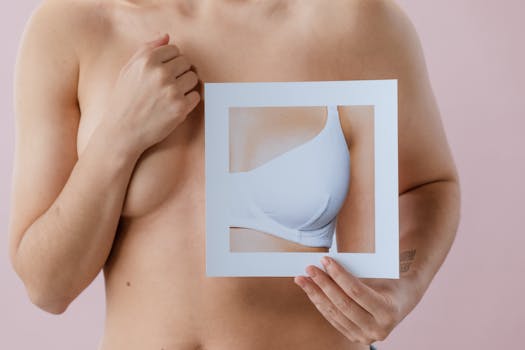
Breast augmentation using body fat, also known as fat transfer breast augmentation or autologous fat transfer, is a procedure gaining popularity for those seeking a more natural enhancement option. Unlike traditional breast implants, this technique uses the patient’s fat, harvested through liposuction, to increase breast volume. Women who desire a subtle enhancement without synthetic materials are finding this option particularly appealing.
What is Breast Augmentation Using Body Fat?
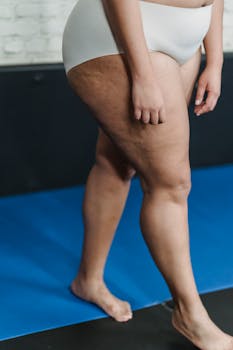
This procedure involves removing fat from areas of the body such as the thighs, abdomen, or flanks through liposuction. The collected fat is then purified before being injected into the breasts to achieve the desired volume and shape. This method offers an alternative for individuals seeking a more organic-looking enhancement, avoiding the use of silicone or saline implants.
Benefits of Breast Augmentation With Body Fat
The autologous fat transfer technique provides several advantages. One of the primary benefits of breast augmentation using body fat is the dual benefit of contouring the donor site. While augmenting the breasts, patients also experience a reduction of fat in another area, leading to an overall improved body silhouette.
Furthermore, since the procedure uses the patient’s tissue, there is a reduced risk of allergic reaction or rejection, often associated with implant materials. The results tend to feel more natural, as the fat integrates with the existing breast tissue. Many women appreciate the lack of foreign materials in their bodies, opting for this more holistic enhancement method.
Considerations and Candidacy for the Procedure
While attractive for many, not everyone is a candidate for breast augmentation with body fat. Ideal candidates are individuals who have enough excess fat in other areas for transfer and seek a more modest enhancement. Those looking for a significant increase in breast size may be better suited for traditional implants.
It is crucial for potential candidates to understand that the procedure has limitations. Fat transfer augments breast size by one to two cup sizes, depending on the available fat and desired outcome. Additionally, some of the injected fat may be reabsorbed by the body over time, potentially requiring multiple procedures to maintain results.
As with any cosmetic procedure, consulting a board-certified plastic surgeon is essential to evaluate personal goals and potential outcomes, ensuring a tailored and safe approach. You can learn more about the process by reading our practical overview on fat transfer for breast augmentation.
The Procedure: Step-by-Step
The fat transfer breast augmentation process involves several structured stages. Initially, a consultation is required to discuss goals and assess body areas with harvestable fat. On the day of the procedure, liposuction is performed to extract fat from predetermined sites. This fat undergoes a purification process to ensure the cleanliness and viability of cells for transfer.
Once the fat is prepared, the surgeon injects it into the breasts through a series of carefully placed injections. This strategic placement is crucial for achieving symmetrical and aesthetically pleasing results. The entire procedure is typically completed under general anesthesia, and patients can often return home the same day.
Post-procedural care includes wearing compression garments to support the donor sites and minimize swelling, along with adhering to guidelines set by the surgeon to optimize results and recovery.
Recovery and Healing Process
The recovery period for breast augmentation with body fat varies from person to person, typically involving several weeks for full recuperation. Initial bruising, swelling, and mild discomfort in both the donor and breast areas are common, gradually subsiding over time.
Patients are usually advised to avoid strenuous activities and heavy lifting for a few weeks post-procedure. Following all postoperative instructions is critical to ensure optimal healing and minimize risks of complications. Engaging in light activities and walking is recommended to promote circulation while aiding recovery.
Potential Risks and Complications
Though considered safe, breast augmentation using body fat does carry potential risks, similar to any surgical procedure. These include infection, cysts, calcification, and fat necrosis, where fat cells die. There is also the possibility of asymmetry if the transferred fat is absorbed unevenly.
Open communication with a qualified plastic surgeon ensures understanding of possible outcomes and complications, alongside a strategic plan to mitigate risks.
Cost and Availability
The cost of breast augmentation using body fat depends on various factors, including geographic location, surgical expertise, and individual patient needs. It may be more expensive than traditional implants due to the dual procedures involved: liposuction and fat transfer.
As more individuals opt for natural enhancement methods, clinics offering this procedure are increasing. It’s important to choose a reputable clinic with experienced surgeons specializing in autologous fat transfer to ensure safety and satisfaction.
Breast Augmentation Using Body Fat: Final Thoughts
Ultimately, breast augmentation using body fat may provide an appealing option for those seeking moderate enhancement with the added benefit of body contouring. A natural approach using one’s tissue aligns with the growing trend of personalized and biocompatible cosmetic solutions.
For those interested in exploring this option, conducting thorough research and consulting with experienced professionals ensures confidence in decision-making and prepares you for what lies ahead. You can find more information on cosmetic procedures at Wikipedia’s detailed entry on fat grafting breast augmentation.
- Breast augmentation using body fat is a natural alternative to implants.
- The procedure involves fat removal from one area and transfer to the breasts.
- Best suited for individuals seeking modest enhancement.
- Recovery involves careful adherence to post-op instructions for best results.
- Consulting with a qualified surgeon is crucial for safety and success.
What is the recovery time after breast augmentation with body fat?
Recovery usually takes a few weeks, with most swelling subsiding after this period. Patients should follow their surgeon’s advice and avoid strenuous activities during recovery.
Are the results of fat transfer for breast augmentation permanent?
While some fat may be reabsorbed by the body over time, a significant portion typically remains, providing lasting enhancement. Multiple sessions might be needed to achieve desired results.
How does fat transfer breast augmentation compare to implants?
Fat transfer offers a more natural feel and avoids synthetic materials, but may not achieve the significant size increase possible with implants. It also provides the benefit of body contouring through liposuction.
Can anyone undergo breast augmentation using body fat?
Not everyone is a candidate. Suitable candidates should have enough excess fat for transfer and realistic expectations regarding achievable enhancement.
Where can I learn more about surgical options for breast enhancement?
Consulting a board-certified plastic surgeon is the best way to get personalized advice. Additionally, our practical overview offers valuable insights.