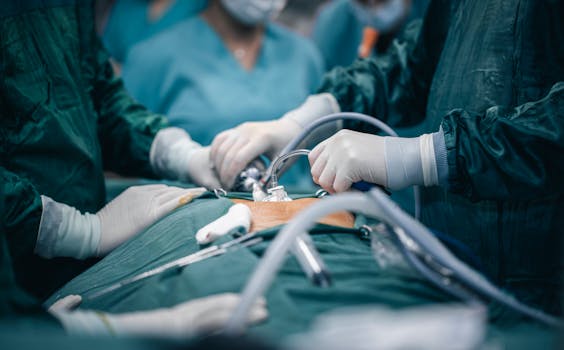
Lipedema is a chronic condition characterized by an abnormal accumulation of fat, most commonly in the legs and arms. For some individuals, lipedema arms surgery may offer a transformative approach to managing the symptoms associated with this condition. By surgically removing the lipedematous tissue, individuals may experience improvements in mobility, pain reduction, and overall quality of life.
Understanding Lipedema Arms Surgery
Lipedema arms surgery is typically part of a broader treatment strategy for those suffering from lipedema. This surgical intervention aims to decrease the disproportionate fat deposits that persist despite diet and exercise. The procedure may include liposuction or excisional surgery to remove the distinctively affected fat tissue, helping restore balance to the body’s silhouette.
The Symptoms and Challenges of Lipedema
Lipedema primarily affects women and is often misdiagnosed or mistaken for obesity. Key symptoms include pain, swelling, and easy bruising in the affected areas. The condition can severely impact self-esteem and lead to secondary health issues such as lymphedema if left untreated.
Benefits of Lipedema Arms Surgery
The benefits of lipedema arms surgery extend beyond cosmetic improvement. Patients often report reduced pain and increased mobility post-surgery, which can facilitate greater participation in physical activities and improve mental health. Additionally, the surgery may help prevent the progression of lipedema.
The Surgical Procedure
Surgical techniques for treating lipedema vary based on severity and patient needs. Liposuction or excisional surgery may be employed, depending on the specific case. A thorough pre-surgical assessment is essential to determine the most appropriate approach. The procedure is usually performed under general or local anesthesia, and recovery times can vary.
Preparing for Surgery
Preparation for lipedema arms surgery involves several steps, including medical evaluations and consultations with healthcare providers. Patients are typically advised to reach a stable weight, manage any comorbid conditions, and quit smoking prior to undergoing surgery. These measures help minimize risks and optimize surgical outcomes.
Risks and Considerations
Like any surgical procedure, lipedema arms surgery carries potential risks, such as infection, scarring, and changes in sensation. It is vital to discuss these risks thoroughly with a qualified surgeon. Postoperative care involves managing swelling, adherence to compression garment usage, and gradual return to regular activities.
For those considering this transformative procedure, understanding the costs associated with arm fat removal surgeries can provide additional insight into planning for the process.
Real-Life Impact
Many patients report significant improvements in quality of life following lipedema arms surgery. Enhanced mobility allows greater engagement in life activities, reducing feelings of social isolation often associated with lipedema. The surgery sets the stage for a healthier, more active lifestyle.
For a comprehensive background on health-related topics, you may explore the information available from credible sources such as Wikipedia’s health page.
With advances in surgical techniques, lipedema arms surgery continues to offer new hope to those affected, providing an avenue for better physical function and overall wellness.
- Lipedema arms surgery helps manage symptoms by removing disproportionate fat deposits.
- Symptoms of lipedema include pain and swelling, often misdiagnosed as obesity.
- Surgery benefits include pain reduction and improved mobility.
- Risks of surgery should be discussed thoroughly with a qualified surgeon.
- Postoperative care is crucial for effective recovery and long-term results.
FAQ
What is lipedema?
Lipedema is a chronic condition that primarily affects women, causing a symmetrical buildup of fat in the arms and legs, leading to pain and swelling.
Can lipedema be cured?
There is no known cure for lipedema, but treatments such as surgery and conservative management can help alleviate symptoms and improve quality of life.
Who is a candidate for lipedema arms surgery?
Ideal candidates for surgery are those with a confirmed diagnosis of lipedema, where conservative treatments have not effectively managed symptoms.
How long is the recovery period for lipedema arms surgery?
The recovery period varies, but most patients can return to normal activities within a few weeks, with full benefits often observable over several months.
Does insurance cover lipedema arms surgery?
Coverage varies by provider and region. Patients are encouraged to consult with their insurance company to determine coverage options.