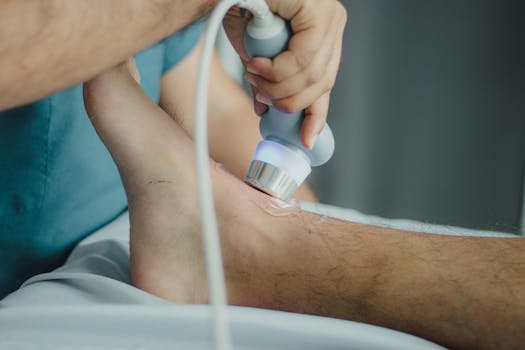
As non-invasive beauty procedures become more popular, many are exploring techniques like ultrasonic cavitation for body contouring. This technique, known for reducing fat pockets and smoothing skin, has caught the interest of those looking to avoid surgical interventions. However, before diving into such a treatment, it’s critical to understand the ultrasonic cavitation risks that come with it.
Understanding Ultrasonic Cavitation Risks
Ultrasonic cavitation is a cosmetic procedure that uses ultrasound technology to break down fat cells. While it’s generally considered safe, it’s not without potential risks and warnings. The main focus of these risks lies in the improper use of the equipment or not adhering to safety protocols. It is essential to consult with a certified and experienced professional to minimize any dangers.
How Does Ultrasonic Cavitation Work?
This procedure uses low-frequency sound waves to penetrate the skin layers and target subcutaneous fat cells. These sound waves create microbubbles in the fluids around the fat cells, causing them to break apart. The body then naturally expels the cell contents through the lymphatic system.
Potential Dangers and Warnings
While the allure of sculpting the body without surgery is tempting, there are ultrasonic cavitation dangers to be aware of. Skin irritation, redness, and mild pain are some of the side effects reported by users. More severe effects like blistering, burns, and infections are rare but possible, especially if the procedure is improperly performed.
Additionally, individuals with certain health conditions such as liver or kidney disease, pregnancy, and certain medical implants should avoid ultrasonic cavitation. It’s crucial to undergo a thorough consultation to rule out any contraindications.
Long-Term Effects and Considerations
The long-term effects of ultrasonic cavitation are still being studied. While many report effective results in terms of reduced fat thickness and improved contouring, these effects are not permanent. Continuous sessions and maintaining a healthy lifestyle are necessary to sustain results. Moreover, the cumulative impact on internal organs and tissues over time adds to the list of ultrasonic cavitation warning considerations.
Professional Advice and Consultation
Enlisting a qualified professional should be a priority. They can conduct a comprehensive assessment of your needs and medical history to ensure the procedure’s safety. Always verify the credentials and experience of the practitioner to avert any potential mishaps. For more insight into medical consultations, read about weight loss management and potential side effects.
Realistic Expectations
Achieving the desired results can take multiple sessions, as each session typically reduces a small percentage of fat in the treated area. Setting realistic expectations is important. Understanding that this is not a solution for significant weight loss but rather a tool for body contouring can help align expectations with potential results.
Are Ultrasonic Cavitation Risks Worth it?
Evaluating whether the benefits outweigh the risks of ultrasonic cavitation is a personal decision. Consulting with healthcare professionals and certified technicians to consider individual health profiles and aesthetic goals will offer clearer guidance. For a more comprehensive understanding of body contouring methods and health implications, explore reliable sources such as the Health information on Wikipedia.
In conclusion, while ultrasonic cavitation can offer body contouring benefits, it is crucial to be aware of the associated risks and seek professional advice for a safe experience. Being informed and cautious is the best approach to utilizing any cosmetic procedure effectively and safely.
- Ultrasonic cavitation is a non-surgical body contouring technique.
- Risks include skin irritation, burns, and other severe effects if not done correctly.
- A thorough health evaluation is essential before the procedure.
- Results are not permanent and require maintenance through healthy lifestyle habits.
- Consulting with certified professionals reduces risks significantly.
What is ultrasonic cavitation?
Ultrasonic cavitation is a non-invasive cosmetic procedure that uses sound waves to break down fat cells, aiding in body sculpting and contouring.
Who should avoid ultrasonic cavitation?
Individuals with health conditions like liver or kidney diseases, pregnant individuals, and those with certain medical implants should avoid the procedure.
What are common ultrasonic cavitation risks?
Common risks include skin irritation, redness, and mild discomfort. Severe side effects, although rare, can include burns and infections.
How can one minimize the risks of ultrasonic cavitation?
Minimize risks by seeking treatments from certified and experienced professionals who adhere to proper safety and procedural protocols.
Are the results of ultrasonic cavitation permanent?
No, the results are not permanent. Maintaining them requires ongoing treatments and adherence to a healthy diet and exercise regime.