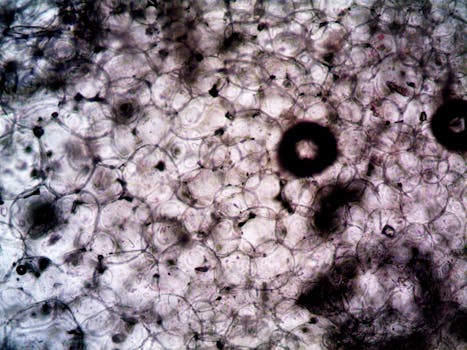
Lipedema fat cells are a topic of growing interest in the medical community, particularly for those affected by this chronic condition. Lipedema is a disorder characterized by the abnormal accumulation of fat cells, commonly affecting the legs, buttocks, and sometimes the arms. This condition differs significantly from obesity and is poorly understood, leading to misdiagnosis or delayed diagnosis. Understanding how lipedema fat cells operate is crucial for managing the symptoms and improving the quality of life for those affected.
Understanding Lipedema Fat Cells
Unlike typical fat cells, lipedema fat cells have unique characteristics that make them challenging to manage. These cells tend to resist dieting and exercise, making weight loss efforts particularly frustrating for those with lipedema. The condition is believed to have a hormonal component, often manifesting during puberty, pregnancy, or menopause when hormonal changes occur.
Lipedema fat cells are also known for causing pain and tenderness. The tissue can feel rubbery and cause significant discomfort when touched. This is partly why lipedema often requires specialized treatment approaches that consider not just the cosmetic aspects, but also the pain management aspect of the condition.
Symptoms and Diagnosis
Lipedema is typically identified by its symmetrical pattern of fat deposits. Individuals often notice a disproportionate accumulation of fat in their lower body, which is resistant to diet and exercise. Other symptoms include easy bruising, swelling, and pain. Unfortunately, lipedema is frequently misdiagnosed as lymphedema or general obesity, delaying appropriate treatment.
For an accurate diagnosis, medical professionals will look for the characteristic symptoms and may perform imaging studies. It is essential to consult a healthcare provider knowledgeable about lipedema to receive the correct diagnosis and treatment plan.
Treatment Options
There is no cure for lipedema, but treatment can help manage symptoms. The approaches include manual lymphatic drainage, compression therapy, and specialized exercises to improve circulation and reduce swelling. In some cases, surgical interventions like liposuction may be recommended to remove excess fat.
Dietary changes may also support the management of lipedema symptoms, although they won’t specifically address lipedema fat cells. A balanced diet focusing on anti-inflammatory foods can be beneficial. Consulting with a registered dietitian can provide a personalized plan to support overall wellness.
Research and Developments
Ongoing research on lipedema is critical for understanding the unique nature of lipedema fat cells and developing effective interventions. Studies are being conducted to explore the genetic and hormonal contributions to the condition. Understanding these factors can lead to better diagnostic criteria and more targeted treatments.
Further research is also exploring the role of metabolic and hormonal influences on lipedema fat cells. As the scientific community gains more insights, new therapies are likely to emerge, offering hope for those affected by this chronic condition.
For more on weight management approaches, you may find the article on how certain medications impact heart health helpful.
How to Support Someone with Lipedema
Living with lipedema can be both physically and emotionally taxing. Offering support involves understanding and patience. Encourage medical treatment and offer to assist with tasks that may be difficult due to pain or mobility issues. Emotional support is equally vital, as the social stigma of weight can affect mental health.
Educational resources and support groups can provide a sense of community and additional resources. Encouraging participation in such groups can significantly affect the mental well-being of individuals dealing with lipedema.
For more detailed information on health and wellness topics, you can visit resources like Wikipedia’s Health page.
In conclusion, understanding and addressing the impact of lipedema fat cells is essential for improving the health and wellness of those affected. While there is much to learn about this condition, ongoing research and supportive treatments hold promise for a better quality of life.
- Lipedema is a chronic condition of abnormal fat cell accumulation.
- Treatment focuses on symptom management, including pain and swelling.
- Diet and exercise are supportive but not curative for lipedema.
- Ongoing research is key to understanding lipedema more deeply.
- Emotional and social support play a crucial role in managing lipedema.
What are lipedema fat cells?
Lipedema fat cells are fat cells that accumulate abnormally, often in the lower body, leading to a disproportionate appearance. They are resistant to traditional weight loss methods.
How is lipedema diagnosed?
A healthcare provider diagnoses lipedema by examining symptoms, physical examinations, and sometimes imaging studies. A correct diagnosis is crucial for proper treatment.
Can lipedema be cured?
Currently, there is no cure for lipedema, but symptoms can be managed with treatments like compression therapy, manual lymphatic drainage, and surgical options.
How does lipedema differ from obesity?
Lipedema is characterized by the abnormal accumulation of fat in a symmetrical pattern, mainly in the lower body, and is often painful. It is not merely obesity or the result of overeating.
What role does diet play in managing lipedema?
While diet doesn’t cure lipedema, it can help manage symptoms. Anti-inflammatory diets may aid in reducing swelling and improving overall wellness.