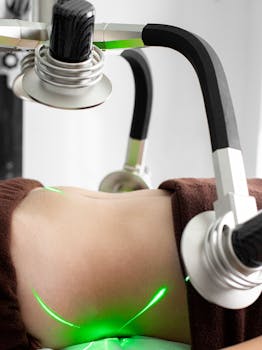
Lipo cavitation, a rising non-invasive cosmetic procedure, is gaining attention for its potential to help individuals reduce stubborn areas of fat without the need for surgery. If you’re exploring options to address localized fat and improve body contouring, you may be wondering: Is lipo cavitation the ultimate solution for you? This article delves into what lipo cavitation entails, its benefits, and how it compares to traditional methods like cavitation liposuction.
Understanding Lipo Cavitation
Lipo cavitation, also known as ultrasound cavitation, utilizes low-frequency sound waves to target and break down fat cells beneath the skin. Unlike traditional cavitation liposuction, lipo cavitation does not require incisions or anesthesia, making it an attractive option for individuals seeking minimal downtime and less discomfort.
During the procedure, a specialized device is applied to problem areas, emitting ultrasound waves that disrupt fat cell membranes. The body then naturally processes these ruptured cells, gradually reducing the size of treated areas. Lipo cavitation is typically used on the abdomen, thighs, and buttocks but can be applied to other fat-prone areas as well.
How Does Lipo Cavitation Work?
The science behind lipo cavitation is both fascinating and straightforward. When the ultrasound waves penetrate the skin, they create bubbles around fat deposits, causing the fat cells to burst. This process, known as cavitation, releases fat into the surrounding tissue, where it is metabolized by the body’s lymphatic system. Over time, this helps to slim and tone the treated areas.
One major advantage of lipo cavitation over more invasive methods like cavitation liposuction is its ability to target fat without harming the surrounding tissues, blood vessels, and nerves. This minimizes recovery time and side effects, allowing patients to resume their normal activities quickly.
Benefits and Considerations
The benefits of lipo cavitation extend beyond just fat reduction. Many clients report improved skin tone and elasticity, as the ultrasound waves can also stimulate collagen production. This makes lipo cavitation an appealing option for those looking to boost their skin’s overall appearance along with reducing fat.
However, it’s important to note that lipo cavitation is not a weight-loss solution. Ideal candidates are typically those close to their desired weight but seeking to eliminate isolated fat pockets. As with any cosmetic procedure, results can vary based on individual factors such as age, metabolism, and lifestyle.
Comparing Lipo Cavitation and Cavitation Liposuction
While both lipo cavitation and cavitation liposuction aim to address excess fat, their methods and recovery times differ substantially. Cavitation liposuction is a surgical procedure that physically removes fat through incisions, often requiring anesthesia and prolonged recovery periods. This traditional method is more invasive but can yield immediate and dramatic results.
In contrast, lipo cavitation offers a gentler approach with gradual results seen over several weeks and multiple sessions. It appeals to those who prefer a procedure without the risks associated with surgery, such as infection or scarring. Both treatments can be effective, so the choice ultimately depends on individual goals and preferences.
For those evaluating different non-invasive fat reduction options, understanding the costs involved is crucial. For more information on pricing and alternative procedures, such as Lipo 360, you can refer to our article on pricing for Lipo 360 in Texas.
Safety and Effectiveness
Lipo cavitation is generally considered safe for most individuals. Side effects are rare but can include minor redness and swelling. As with any procedure, it’s essential to consult with a qualified professional who can assess your suitability and discuss potential risks based on your health history.
For the latest research and safety guidelines on non-invasive cosmetic procedures, you might find helpful insights from the National Institutes of Health or trusted educational sources such as Wikipedia’s health entry.
Who Should Consider Lipo Cavitation?
Individuals considering lipo cavitation should be in good health and possess realistic expectations. It’s an excellent option for those who have struggled with exercise-resistant fat deposits and are interested in non-invasive methods of body sculpting.
Ideal candidates include those who prefer a procedure that fits seamlessly into a busy lifestyle without the need for extended recovery periods. It’s also suitable for those seeking incremental changes rather than drastic alterations.
To explore this treatment further, discussing your goals with an experienced cosmetic specialist can help determine if lipo cavitation aligns with your needs.
Final Thoughts on Lipo Cavitation
Lipo cavitation has become a popular choice for individuals seeking to fine-tune their physiques without resorting to invasive surgery. By offering a non-surgical alternative with minimal downtime, it presents a viable option for fat reduction. As with any cosmetic procedure, consulting with qualified professionals to ensure its suitability for your unique situation is a crucial step.
- Lipo cavitation targets fat cells using ultrasound waves.
- It’s non-invasive, with little to no downtime.
- Not a weight-loss method, but a body contouring option.
- Ideal for individuals near their target weight with stubborn fat deposits.
- Consult a specialist to discuss your suitability and goals.
What is lipo cavitation?
Lipo cavitation is a non-invasive cosmetic procedure that uses ultrasound waves to target and break down fat cells, leading to a reduction in localized fat deposits.
How does lipo cavitation differ from cavitation liposuction?
Unlike cavitation liposuction, which is a surgical method involving incisions, lipo cavitation uses ultrasound technology to reduce fat without surgery, resulting in minimal downtime.
Is lipo cavitation safe?
Lipo cavitation is generally safe for most individuals, with minor side effects such as redness. However, it’s important to consult with a qualified healthcare provider to determine safety based on personal health conditions.
Who is an ideal candidate for lipo cavitation?
Ideal candidates are those close to their target weight with specific fat-prone areas they wish to address. It is best suited for individuals seeking non-surgical body contouring solutions.
What should I expect during a lipo cavitation session?
During a session, a device emits ultrasound waves targeting fat cells. The process is typically painless, with sessions lasting about 30-60 minutes depending on the treated area.