Many people wonder, “Does sunscreen prevent tanning?” This is a common question, especially as we become more aware of the importance of sun protection. Sunscreen is designed to protect your skin from harmful UV rays, but it also affects how your skin tans. Understanding how sunscreen works and its impact on tanning can help you make informed decisions about sun protection.
Does Sunscreen Prevent Tanning?
Sunscreen works by reducing the amount of ultraviolet (UV) radiation that reaches your skin. There are two types of UV rays: UVA and UVB. UVA rays penetrate the skin deeply, contributing to aging and skin cancer, while UVB rays are primarily responsible for sunburn and can also lead to both aging and skin cancer. When you apply sunscreen, it filters out a significant percentage of these rays, reducing potential damage.
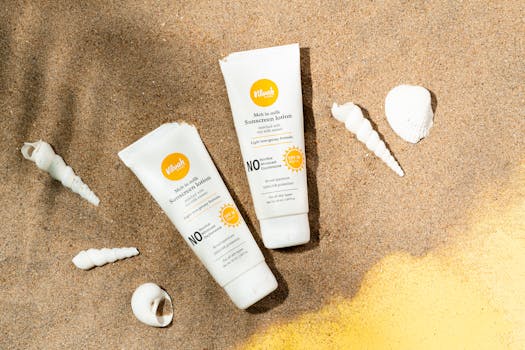
While sunscreen does reduce UV exposure, it does not completely block out all UV rays. As a result, some people may notice they still achieve a tan while using sunscreen, albeit more slowly and with less intensity compared to not using any protection. The key is to choose a broad-spectrum sunscreen with a high SPF rating, which offers more comprehensive coverage against both UVA and UVB rays.
How Sunscreen Works
Sunscreen contains active ingredients that either absorb or reflect UV radiation. Chemical sunscreens absorb UV radiation, converting it into heat, which then dissipates from the skin. Physical sunscreens, on the other hand, act as a shield, reflecting UV rays away from the skin. Both types of sunscreen are effective, and the choice between them often comes down to personal preference and skin type.
The Role of SPF
The Sun Protection Factor (SPF) measures a sunscreen’s ability to protect against UVB rays. For example, an SPF of 30 means that, under optimal conditions, it would take 30 times longer for your skin to burn compared to no protection. However, SPF does not measure protection from UVA rays, which is why selecting a “broad-spectrum” sunscreen is crucial. For daily use, dermatologists generally recommend a sunscreen with at least SPF 30.
Sunscreen and Skin Cancer Prevention
Regular use of sunscreen can significantly reduce the risk of developing skin cancer. Melanoma, the most serious type of skin cancer, is strongly linked to UV exposure, including from tanning. By choosing an effective sunscreen, you can protect your skin from potential harm. Moreover, using sunscreen can help prevent sunburn, which is a risk factor for melanoma. For more information on skin cancer prevention, you can explore our article on skin health and cancer awareness.
Tips for Effective Sunscreen Use
To maximize the benefits of sunscreen, apply it generously and regularly. It’s advisable to reapply every two hours, or more frequently if swimming or sweating. Don’t forget commonly missed areas such as the ears, neck, and the backs of your hands. Selecting a water-resistant formula can also help maintain effectiveness during active outdoor activities.
Additional Sun Protection Strategies
While sunscreen is crucial, it’s just one part of a comprehensive sun protection strategy. Wearing protective clothing, sunglasses, and wide-brimmed hats can offer additional protection. Seeking shade during peak sun hours, typically between 10 a.m. and 4 p.m., is also beneficial. Remember, even on cloudy days, UV radiation can still reach your skin.
Final Thoughts: Does Sunscreen Prevent Tanning?
To answer the question, “Does sunscreen prevent tanning?”—the simple answer is yes, to some extent. By minimizing UV exposure, sunscreen reduces the tanning process. However, it may not completely prevent a tan, especially with prolonged outdoor exposure. Nonetheless, the priority should be protecting your skin against the harmful effects of UV radiation to maintain overall health and prevent long-term damage.
Summary and Key Points
- While sunscreen reduces UV exposure, it may not completely prevent tanning.
- Broad-spectrum sunscreens protect against both UVA and UVB rays.
- Using sunscreen can help prevent skin cancer and reduce skin damage.
- Apply sunscreen generously and reapply regularly for optimal protection.
- Additional protective measures include wearing hats, sunglasses, and clothing.
FAQs
Can I still tan if I wear sunscreen?
Yes, you can still tan, but sunscreen reduces the amount of UV radiation reaching your skin, which slows down the tanning process.
What SPF should I use to prevent tanning?
A sunscreen with at least SPF 30 is recommended for effective protection against UV rays, although higher SPF offers more protection.
Does higher SPF prevent all UV rays?
No sunscreen can block 100% of UV rays, but higher SPF levels provide more protection compared to lower SPF levels.
Is tanning without sunscreen safe?
No, tanning without sunscreen increases your risk of skin damage and skin cancer due to UV exposure.
Where can I learn more about sun safety?
For more detailed information on sun protection and health, visit the Health page on Wikipedia.