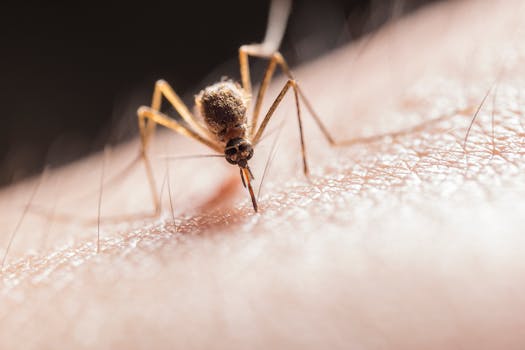
Understanding how to protect your furry friend from canine insect bites is an essential part of keeping them happy and healthy. Dogs love the outdoors, filled with exploration, adventure, and sometimes, uninvited guests, like insects. These tiny creatures can cause discomfort and health issues for our pups. From mosquitoes to ticks, learning how to prevent and treat insect bites helps ensure your dog’s comfort and well-being.
Preventing Canine Insect Bites
The first step in protecting your dog from canine insect bites is prevention. Using veterinarian-approved repellents designed specifically for dogs can significantly reduce their risk. Regular application, especially during peak insect seasons in spring and summer, can help keep those pesky bugs at bay.
Avoid walking your dog in areas with high insect activity, especially during dawn and dusk when mosquitoes are most active. Consider investing in protective clothing for your dog, like insect-proof vests, which may be particularly useful for outdoor adventures.
Recognizing Symptoms of Insect Bites
Even with preventive measures, your dog may still fall victim to the occasional insect bite. Knowing the signs can help you respond quickly. Common symptoms include excessive scratching, red or swollen spots on the skin, or behavioral changes like restlessness.
If your dog exhibits persistent symptoms or exhibits signs of an allergic reaction, such as difficulty breathing or swelling around the face, promptly consult your veterinarian.
Treatment Options for Canine Insect Bites
Treating insect bites in dogs starts with identifying the type of bite. For basic mosquito or flea bites, over-the-counter antihistamines or topical ointments can provide relief. Always consult your vet before starting any treatment.
In cases of tick bites, removing the tick promptly and safely is crucial. Using fine-tipped tweezers, grasp the tick as close to the skin’s surface as possible and pull upward steadily. Ensure you’ve removed all parts of the tick to avoid infection.
Long-term Health Considerations
While most insect bites are merely a nuisance, they can lead to more serious health issues if left unchecked. For example, ticks can transmit Lyme disease, and mosquitoes are vectors for heartworm. Regular veterinary check-ups, including blood tests, can help detect these conditions early and manage them effectively.
For more ways to boost your dog’s general health, you might find our article on the science behind the feel-good effect of petting dogs helpful.
Natural Remedies and Lifestyle Adjustments
In addition to chemical repellents, there are natural remedies which may support in keeping insects at bay. Essential oils such as lavender and eucalyptus are often used as natural insect deterrents. Ensure these are used safely, as some oils can be harmful to pets.
Maintaining a clean living environment for your dog is crucial. Regularly washing bedding, vacuuming carpets, and keeping outdoor areas clean can reduce insect populations. Ensure your dog’s diet supports their immune system to fight off potential infections from bites.
Understanding Risks and Consulting Professionals
Despite best efforts, some dogs may be more susceptible to severe reactions from insect bites. For breeds more prone to allergies, extra caution is advised. Always prioritize professional advice and consult a veterinarian when unsure about symptoms or treatments.
For additional insights on managing your pet’s health proactively, you can explore educational resources such as those available on Health.
By staying informed and taking proactive measures, you can significantly reduce the chances of canine insect bites affecting your pet.
- Use vet-approved repellents and protective clothing to prevent bites.
- Recognize symptoms and know when to seek veterinary care.
- Explore natural remedies alongside traditional options.
- Maintain a clean environment and a healthy diet for your dog.
FAQs
What should I do if my dog gets an insect bite?
First, assess for symptoms like swelling or excessive scratching. If needed, apply a topical ointment and consult your vet for severe reactions.
Are there natural repellents safe for dogs?
Some natural oils may help deter insects, but always use with caution and consult your vet to ensure they’re safe for your dog.
How can I tell if my dog has Lyme disease from a tick bite?
Early signs include fever and lameness. If you suspect Lyme disease, a veterinary check-up is crucial for diagnosis and treatment.
When are mosquitoes most active?
Mosquitoes are typically most active during dawn and dusk. Avoid walking your dog during these times to reduce exposure.
How often should I check my dog for ticks?
After outdoor activities, especially in wooded or grassy areas, thoroughly check your dog for ticks as part of routine care.