Most people only think about their teeth when something hurts. But by the time there’s pain, a small, manageable issue has often become something more involved and more costly to address. Preventive dental care turns that equation around. It’s about staying ahead of problems rather than reacting to them, and it’s one of the most evidence-supported approaches to maintaining long-term oral health.
Whether you’re searching for a dentist Gregory Hills families trust, or you’re living regionally and looking for consistent local care, access to quality dental services is one of the most valuable health investments you can make. This guide covers what preventive dentistry actually involves, why it matters at every life stage, and practical steps you can start taking today.
What Is Preventive Dental Care?
Preventive dentistry is the branch of oral health focused on maintaining the health of your teeth and gums to reduce the likelihood of developing conditions such as tooth decay, gum disease, and enamel erosion. Rather than treating problems after they arise, the goal is to create the conditions through daily habits and professional care that may help prevent those problems from developing in the first place.
It encompasses everything from how you brush your teeth at home to the frequency of your professional check-ups, dietary choices, and protective measures like mouthguards or fissure sealants.
The Australian Dental Association (ADA) recommends that most adults attend a dental check-up at least once every six to twelve months, though the ideal frequency can vary based on individual risk factors. Your dentist is best placed to recommend a schedule that suits your specific needs.
The Core Pillars of Preventive Oral Health
1. Daily Oral Hygiene at Home
The foundation of preventive care starts at home, twice a day.
Brushing: Use a soft-bristled toothbrush and fluoride toothpaste. Brush for at least two minutes, covering all surfaces of each tooth. Electric toothbrushes may offer advantages in plaque removal for some people, though technique matters more than the tool itself.
Flossing: Flossing or using interdental brushes reaches the spaces between teeth that a toothbrush simply cannot access. Plaque and food debris that sit in those spaces can contribute to both decay and gum disease over time. Daily interdental cleaning is a core recommendation from dental health organisations in Australia.
Mouthwash: An antibacterial or fluoride mouthwash can be a useful addition to your routine, though it shouldn’t replace brushing and flossing. Speak to your dentist about which type, if any, may be appropriate for you.
2. Professional Check-Ups and Cleans
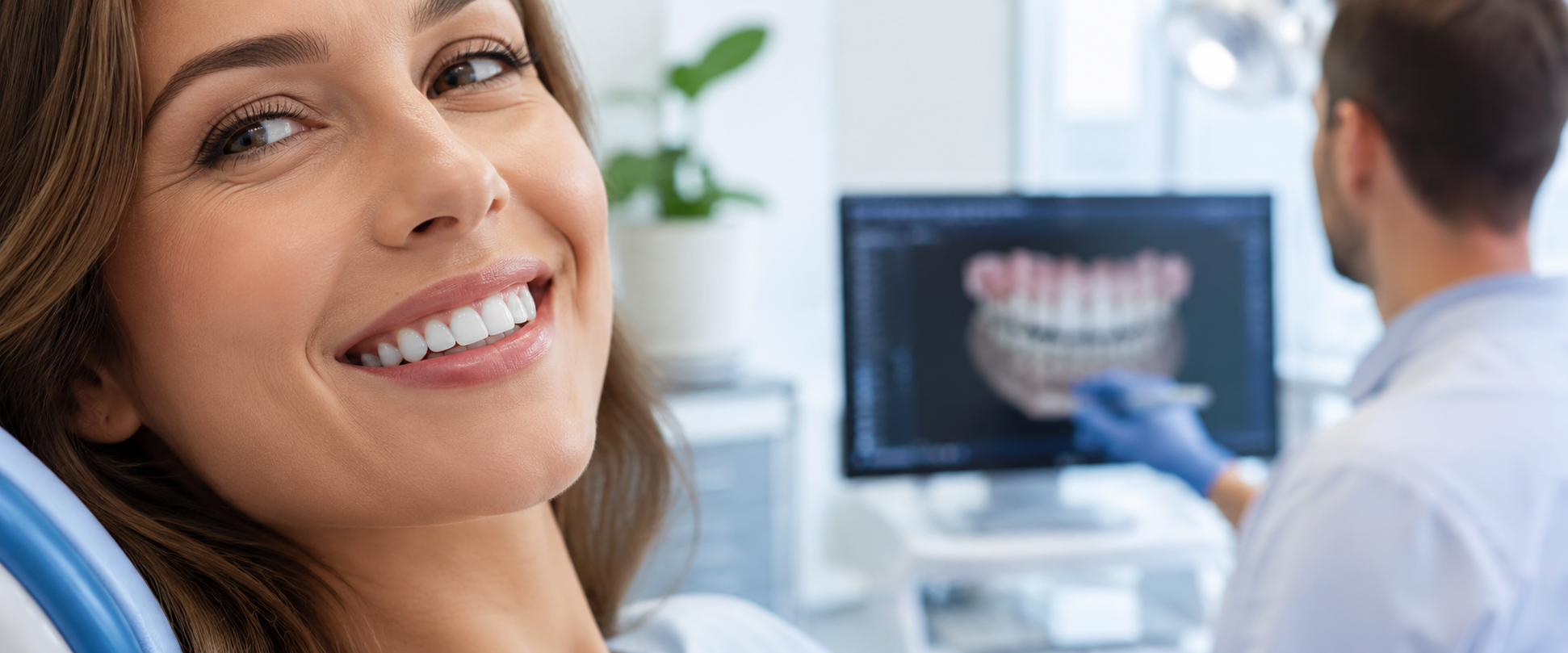
Even with an excellent home routine, professional dental visits serve a different and essential function. A dentist can identify early signs of decay, gum disease, oral cancer, and other conditions that are not visible or symptomatic at their earliest stages.
Professional cleans (scale and polish) remove calculus hardened plaque that cannot be removed by brushing alone. Left in place, calculus can contribute to periodontal (gum) disease, which has been associated with broader systemic health considerations including cardiovascular health.
Many people in regional and outer-suburban areas are finding local preventive dental practices that offer comprehensive check-up and clean appointments without needing to travel far. Practices serving communities like Gregory Hills, Moss Vale, and Goulburn are increasingly focusing on this preventive model making it easier for families to stay on top of their oral health close to home.
3. Diet and Lifestyle Factors
What you eat has a direct and measurable impact on your oral health. Sugars and fermentable carbohydrates feed the bacteria in your mouth that produce acid and it’s that acid that erodes enamel and contributes to cavities.
Some practical, evidence-informed habits include:
- Limiting sugary drinks and snacks, particularly between meals when saliva production is lower
- Drinking fluoridated tap water, which can help strengthen enamel and rinse away food particles
- Eating a balanced diet rich in calcium and phosphates (found in dairy, leafy greens, nuts, and lean proteins) to support tooth mineralisation
- Avoiding or reducing smoking, which is associated with increased risk of gum disease, tooth staining, and oral cancer
- Being mindful of acid erosion from frequent consumption of citrus, vinegar-based foods, and carbonated drinks
No single dietary change is a guarantee against dental problems but consistent, moderate choices over time may support better oral health outcomes.
4. Protective Measures
Preventive dentistry also extends to protection from physical damage.
Mouthguards are strongly recommended for anyone participating in contact or collision sports. A custom-fitted mouthguard from your dentist offers significantly better protection and fit than an over-the-counter option.
Fissure sealants are thin coatings applied to the chewing surfaces of back teeth particularly in children to reduce the risk of decay developing in the deep grooves where food tends to collect. Ask your dentist whether sealants may be suitable for your child.
Nightguards may be recommended for patients who grind or clench their teeth (bruxism), which can contribute to enamel wear and jaw discomfort over time.
5. Dental Care Across Life Stages
Preventive care looks different at different ages:
- Children: First dental visits are recommended around the time the first tooth appears, or by age one at the latest. Early visits help establish healthy habits and allow the dentist to monitor development.
- Teenagers: Orthodontic assessment, wisdom tooth monitoring, and sports protection become relevant during adolescence.
- Adults: Regular maintenance, gum health monitoring, and managing wear from habits like grinding become key priorities.
- Older adults: Dry mouth (often medication-related), root decay, and denture care are specific concerns that warrant regular professional oversight.
Why Location Shouldn’t Be a Barrier
One of the most common reasons Australians skip dental appointments is inconvenience particularly for those in outer suburban or regional communities. But local dental practices have expanded significantly in recent years to serve growing areas.
For families looking for a local preventive dental practice in the Gregory Hills and Macarthur region, or those in Moss Vale and the Southern Highlands, Gregory Hills dental providers now offer a range of preventive services designed to keep the whole family’s oral health on track. Similarly, the Goulburn and Southern Tablelands region has seen growth in practices offering comprehensive preventive care closer to home.
If you’re looking for a practice that takes a thorough, prevention-first approach to oral health, the team at Green Door Dental provides services across multiple locations to support patients in these communities.
Conclusion: Prevention Is Simpler Than You Think
Preventive dental care doesn’t require an overhaul of your life. It requires consistency, a good home routine, regular professional visits, and a few mindful choices around diet and lifestyle. The evidence consistently supports that small, regular investments in oral health can reduce the likelihood of more significant and costly dental issues down the track.
The best time to see a dentist for a check-up is before you have a problem. If it’s been a while since your last visit, or if you’re looking to establish care with a preventive-focused practice, reach out to an AHPRA-registered dental provider in your area to book an assessment.
Your teeth are the only ones you’ll have. It’s worth looking after them.