For many people in the Sutherland Shire, the prospect of replacing a missing tooth is a journey filled with both hope and hesitation. You want the confidence of a complete smile and the ability to eat your favourite foods again, but there is often one major question standing in the way: “Does getting a dental implant hurt?”
It is a completely natural concern. The idea of a “titanium post” being placed into the jawbone sounds, to the uninitiated, like a significant and potentially painful ordeal. However, the reality of modern implant dentistry is far more gentle than most patients imagine. If you are looking for a dentist who prioritises comfort and clarity, here is a detailed look at what the dental implant process actually feels like and why “fear of pain” shouldn’t hold you back from a life-changing smile.
Understanding the Procedure: Why It’s More Comfortable Than You Think
The first thing to understand about dental implants is that the jawbone itself does not have a high concentration of pain-sensing nerves. Unlike a toothache, where a nerve inside a tooth is being pinched or irritated, the bone where the implant is placed is relatively insensitive once the surface gum tissue has been numbed.
When you visit a dental clinic for an implant, the procedure is performed under a local anaesthetic. This is the same type of numbing agent used for a standard filling, but it is applied with precision to ensure that you feel absolutely nothing during the surgery. You might feel some slight pressure or the vibration of the dental tools, but the sensation of pain is effectively “switched off.”
For patients who experience significant anxiety, the dentist will also offer sedation options. Whether it is “happy gas” (nitrous oxide) to take the edge off your nerves or intravenous (IV) sedation for a deeper state of relaxation, the goal is to ensure you remain calm and comfortable from start to finish.
The Immediate Aftermath: The First 24 to 48 Hours
Once the anaesthetic wears off, it is normal to experience some level of discomfort. However, most patients describe this as a “dull ache” or “tenderness” rather than acute pain. It is often compared to the feeling of a tooth extraction or even just a moderate bruise.
In a modern dental clinic, the surgical techniques used today are minimally invasive. This means there is less disruption to the surrounding tissue, which directly translates to a faster and more comfortable recovery. Most patients find that over-the-counter pain relief, such as paracetamol or ibuprofen, is more than sufficient to manage any discomfort during the first few days.
Common experiences during the first 48 hours include:
- Minor swelling: This is the body’s natural healing response. Applying a cold compress to the outside of your cheek can help significantly.
- Slight bruising: This is more common in complex cases but generally fades quickly.
- Light bleeding: A small amount of “oozing” at the site is normal and usually stops within a few hours.
The Recovery Timeline: What to Expect
The beauty of a dental implant is that it is a long-term solution. Because the implant is made of biocompatible titanium, it undergoes a process called osseointegration, where the bone actually grows around the post, anchoring it firmly in place.
During this healing phase, which can take several months, the implant site is generally painless. You won’t “feel” the implant in your mouth any more than you feel your natural teeth. Your dentist will then provide you with specific aftercare instructions, which usually involve eating softer foods for a short period and maintaining gentle hygiene around the area to prevent infection.
Addressing the Fear: Managing Dental Anxiety
At Shire Smiles, we recognise that the anticipation of pain is often worse than the sensation itself. Many of our patients arrive with stories of “bad experiences” from decades ago. Modern dentistry has evolved to be a much more human and reassuring experience.
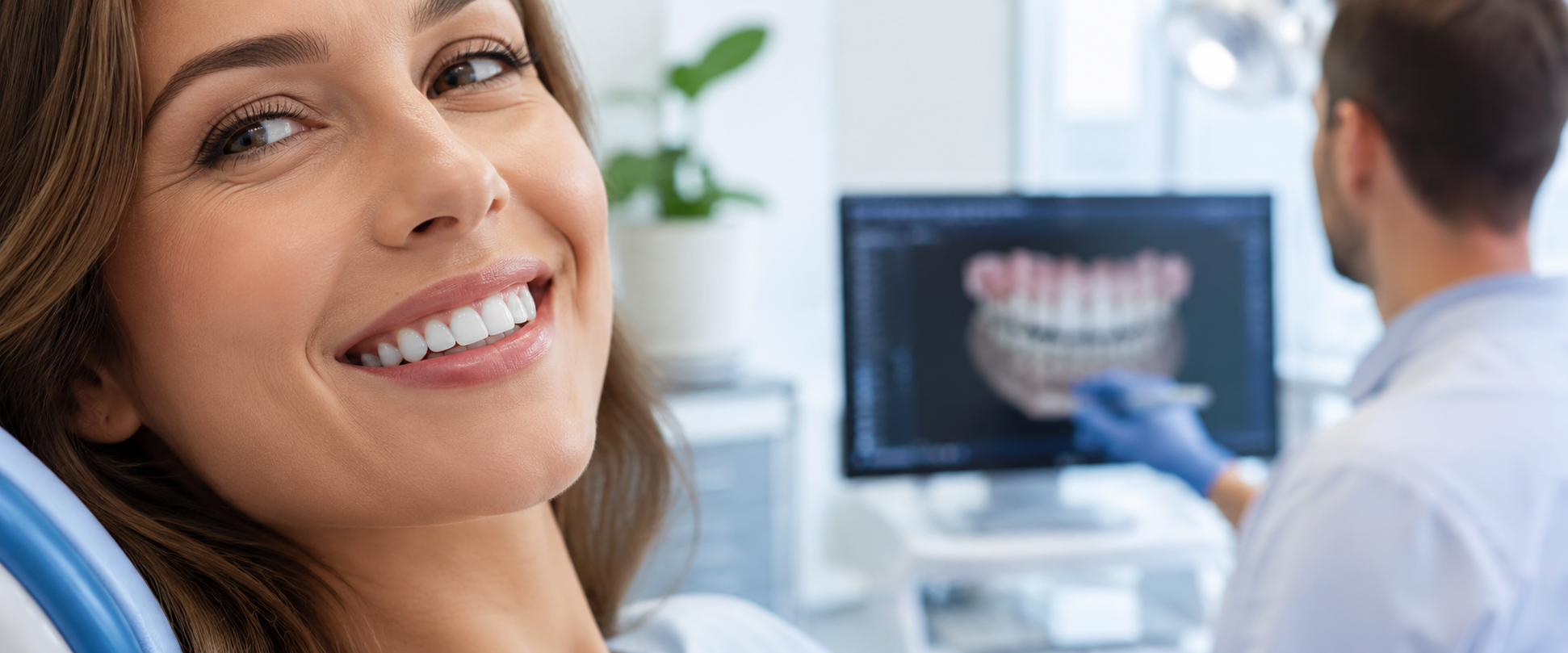
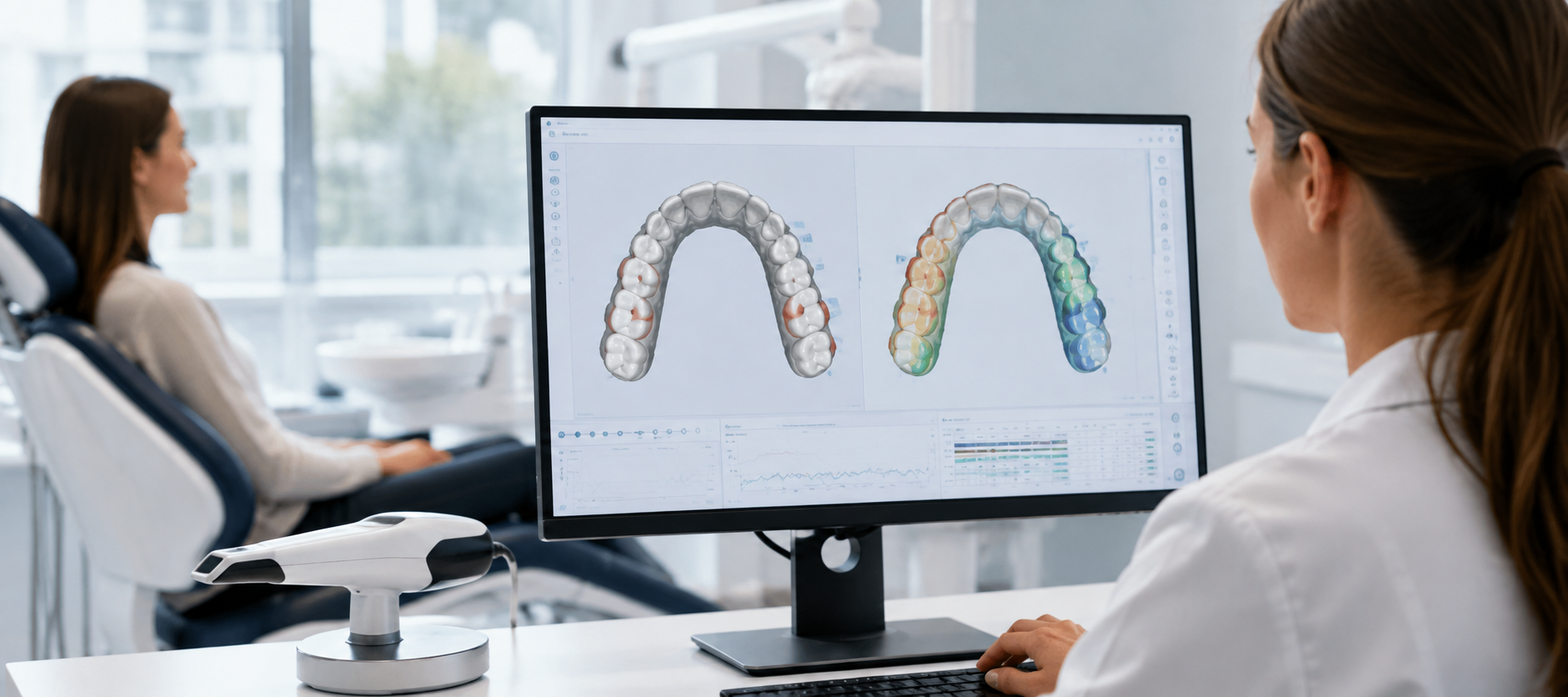
We use intraoral cameras and 3D imaging to show you exactly where the implant will go and why it is the best solution for your oral health. When the mystery is removed, the fear usually follows. We believe that an informed patient is a relaxed patient.
Costs, Alternatives, and Value
It is also important to address the financial aspect of comfort. Sometimes, the stress of the cost can be just as significant as the fear of the chair. Dental implants are a premium restorative option, but they offer unparalleled long-term value. Unlike bridges, which require the grinding down of healthy adjacent teeth, or dentures, which can slip and cause gum irritation, implants protect your remaining teeth and prevent the bone loss that naturally occurs when a tooth is missing.
When discussing pricing at a dental clinic, we focus on transparency. We provide a clear treatment plan that outlines the costs involved—from the initial consultation and surgical placement to the final custom-made crown. For many, the ability to bite into an apple with confidence or smile for a photo without hiding their mouth is an investment that pays for itself in quality of life.
If the cost of an implant is a concern, your dentist should also discuss alternatives, such as a partial denture or a bridge. While these may not offer the same structural benefits as an implant, they are functional solutions that we can discuss in a no-pressure environment.
Why the Location of Your Care Matters
Choosing a local miranda dentist means you have a partner in your long-term health. Dental implants require a few follow-up appointments to monitor healing and eventually fit the final crown. Having a clinic that is easily accessible in the Sutherland Shire makes the process much more convenient and less stressful.
Furthermore, a local practice like Shire Smiles understands our community. We know that our patients value honest, straightforward advice and a gentle touch. We aren’t a high-volume corporate clinic; we are a dedicated team that cares about the individual behind the smile.
Final Thoughts: Taking the First Step
If you have been living with a gap in your smile because you are afraid of the pain, please know that the modern reality of dental implants is one of comfort, precision, and incredible results. The most “painful” part of the process is often the years spent feeling self-conscious or struggling to chew properly.
Getting a dental implant is a journey toward reclaiming your function and your confidence. By choosing a team that prioritises your comfort and uses the latest gentle techniques, you can look forward to a procedure that is manageable and a result that is truly life-changing.
If you’re ready to explore your options, the best place to start is with a simple conversation. There is no judgment here—only a commitment to helping you achieve the healthy, beautiful smile you deserve in a way that feels safe and supportive.