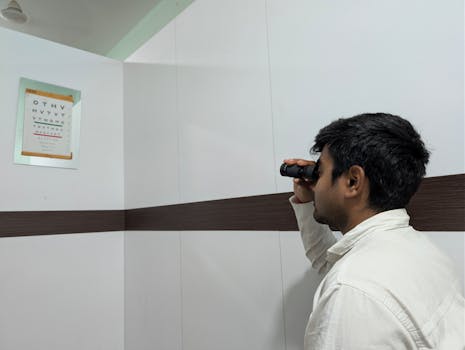
Are you finding it a bit challenging to see things clearly, especially when close up or far away? You might be experiencing what is known as 20/40 vision. Although vision of 20/40 is relatively common, understanding its implications on daily life is crucial as it can affect various tasks. This article explores what 20 40 vision means, how it can be managed, and its potential impact on your life.
What Does 20/40 Vision Mean?
20/40 vision is a measurement indicating that what you see at 20 feet is what a person with normal vision can see at 40 feet. It’s not perfect vision, but it’s not severely impaired either. Essentially, it suggests a mild visual impairment that could be due to several underlying causes.
Common Causes of 20/40 Vision
There are various reasons you might have 20/40 vision. These can include refractive errors like myopia or astigmatism, where the eye’s shape keeps light from focusing directly on the retina. Other factors might be age-related changes or ocular health conditions.
Impact on Daily Life
Living with 40/20 eyesight could mean challenges with reading, driving, or recognizing faces from a distance. While it doesn’t prevent you from carrying out your daily routine, certain activities, particularly those that demand keen vision, may require more effort.
For driving, most states require a minimum of 20/40 visual acuity. Without this, you might need corrective lenses to ensure safety. Regular eye tests can help in early detection and management of such visual concerns.
Managing 20/40 Vision
Managing vision of 20/40 often involves corrective lenses like glasses or contact lenses. In some cases, if the impairment stems from a refractive error, surgery might be recommended. However, discussing options with an eye care professional is essential before making any decisions.
Corrective Lenses
Eyeglasses and contact lenses can effectively correct 20/40 vision to bring it closer to 20/20. This improvement can significantly enhance quality of life, making it easier to perform day-to-day activities with confidence.
Laser Surgery
Laser surgery, like LASIK, is an option for some people wanting a more permanent solution. It can reshape the cornea to focus light correctly onto the retina, potentially improving vision to near-normal levels. It’s vital to consult with a healthcare provider to weigh the risks and benefits.
Maintaining Eye Health
Regular eye examinations are crucial for maintaining eye health and monitoring 20/40 vision. They help detect changes early and provide opportunities for timely interventions. Moreover, protecting eyes from harmful UV rays and maintaining overall health can contribute positively.
How to Adapt with 20/40 Vision
Adjusting to life with 20/40 vision is possible with some adaptive strategies. Consider enhancing lighting, using magnifying devices for reading, and taking frequent breaks to relieve eye strain. These small changes can make a significant difference.
For more detailed information on maintaining eye health, you can refer to resources like the CDC’s Vision Health Initiative.
Ultimately, living with 20/40 vision doesn’t have to limit your activities or reduce your quality of life. With the right support and adaptations, you can continue to enjoy your favorite activities with minimal disruption.
Takeaways
- 20/40 vision is a mild visual impairment that may affect daily tasks.
- Corrective lenses or surgery are viable treatments for enhancing vision.
- Regular eye exams are essential for managing and monitoring eye health.
- Adapting your environment can improve comfort and functionality.
- Consult healthcare professionals for personalized advice.
FAQs
What does it mean to have 20/40 vision?
20/40 vision means you can see at 20 feet what someone with normal vision can see at 40 feet, indicating mild visual impairment.
Can 20/40 vision be corrected?
Yes, using corrective lenses like glasses or contact lenses, or through surgeries like LASIK, depending on individual cases.
Is 20/40 vision bad?
While not perfect, 20/40 vision allows you to perform most daily tasks but may require corrective measures for certain activities like driving.
Do I need glasses for 20/40 vision?
If your daily activities are affected, glasses can help improve clarity and reduce strain. Consult an eye care professional for advice.
How often should I have my eyes checked if I have 20/40 vision?
It’s recommended to have your eyes examined annually or as advised by your eye care provider to monitor any changes in your vision.