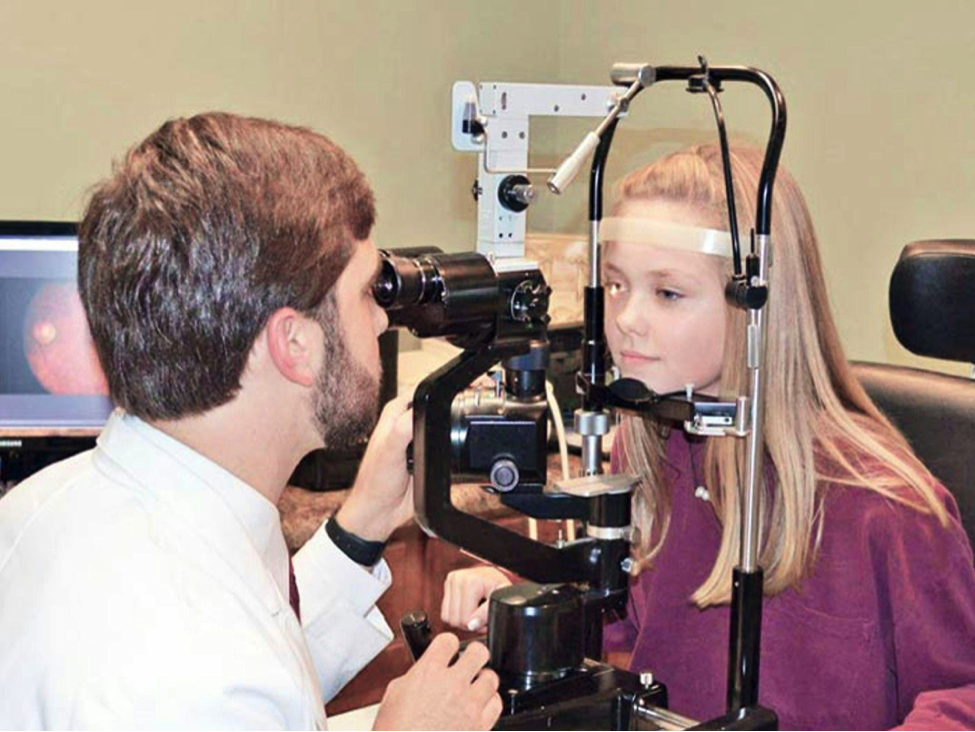
Central serous retinopathy (CSR) is a condition where fluid builds up under the retina, creating a small detachment and resulting in vision problems. Common symptoms include blurred or distorted vision and a dark or gray spot in the center of your vision. For those dealing with CSR eye disorder, understanding the symptoms, causes, and management options is crucial to maintaining eye health and preventing further complications.
Understanding CSR Eye Disorder
CSR eye disorder primarily affects the macula, the central area of the retina responsible for sharp, central vision. This condition predominantly occurs in middle-aged men, though women can also be affected. Stress and corticosteroid use are considered significant risk factors, but genetics may also play a role in its development.
While the exact cause remains unclear, current research suggests a link between increased corticosteroid levels in the bloodstream and the occurrence of fluid leakage under the retina. This leakage leads to the formation of a small dome of fluid, which causes the visual disturbances experienced by those with CSR.
Symptoms and Diagnosis
Symptoms of CSR include blurry vision, a central dark spot, distortion (such as straight lines appearing wavy), decreased color sensitivity, and objects appearing smaller or further away than they are. These symptoms can appear suddenly and typically affect only one eye, though they can occur in both eyes simultaneously.
Diagnosis of CSR often involves a comprehensive eye exam including an assessment of visual acuity, dilated eye exam, optical coherence tomography (OCT) to provide cross-sectional images of the retina, and fluorescein angiography to highlight blood vessels and check for leakage.
Management and Treatment Options
In many cases, CSR resolves on its own within three to six months without medical intervention. However, for persistent or severe cases, treatment may be necessary. Options include laser treatment to seal the leak, photodynamic therapy to reduce abnormal fluid buildup, and medications that may help to decrease fluid leakage.
It is important to note that while certain lifestyle changes, such as stress management or reducing the intake of corticosteroids, can be beneficial, discussing potential treatment plans with a healthcare professional is essential for effective management of CSR eye disorder.
For more information on maintaining eye health, you might find a related article about how laughter can be as effective as eye drops an enlightening read.
Living with CSR Eye Disorder
Adapting to changes in vision caused by CSR can be challenging, but certain strategies can help. Using magnifying aids, improving lighting, and finding ways to reduce stress can make daily tasks more manageable. Since CSR can recur, regular follow-up appointments with an eye care provider are important to monitor vision changes.
Joining a support group or connecting with others undergoing similar experiences can also provide emotional support and practical tips for managing life with CSR. Keeping up with regular eye check-ups will help in early detection of any further issues with your retina.
Research and Future Directions
Ongoing research into CSR is vital, aiming at understanding the underlying causes and developing more effective treatments. Clinical trials and studies continue to explore the links between hormonal factors, genetic predispositions, and lifestyle influences on the onset of CSR.
For the latest research and advancements in the treatment of CSR, you may want to explore resources provided by reputable institutions, such as this overview on eye disorders.
In summary, managing CSR eye disorder requires a blend of medical, lifestyle, and supportive interventions. While many cases resolve spontaneously, staying informed about symptoms, risk factors, and treatment options will help those affected make knowledgeable decisions about their eye health.
- CSR is a condition where fluid accumulates under the retina, causing vision problems.
- Stress and corticosteroid use are notable risk factors.
- Common symptoms include blurred vision and distortion.
- Many CSR cases resolve on their own, but treatments are available for persistent issues.
- Regular eye exams are crucial for monitoring for recurrence or complications.
What is CSR eye disorder?
CSR eye disorder is a condition in which fluid builds up under the retina, leading to visual disturbances such as blurred vision or dark spots.
What causes CSR to occur?
The exact cause of CSR is unknown, but it’s associated with high stress levels, elevated corticosteroid use, and potential genetic factors.
Can CSR be treated?
While CSR often resolves without treatment, persistent cases may require interventions such as laser therapy or medications to reduce fluid leakage.
Is CSR eye disorder common?
CSR primarily affects middle-aged men, but it can also occur in women and younger adults. Its prevalence is relatively low compared to other retinal conditions.
How can I prevent CSR eye disorder?
Though prevention is not always possible, managing stress and limiting corticosteroid use may reduce the risk of developing CSR. Regular eye exams can ensure early detection and management.