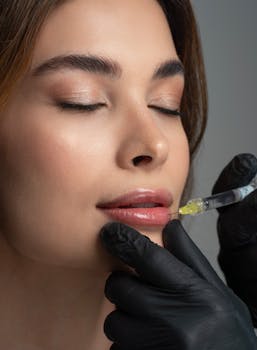
Undergoing a lip filler procedure can be an exciting step toward enhancing your appearance. However, understanding the essentials of lip filler aftercare is crucial in ensuring the best possible results. This guide will provide you with comprehensive tips to help you recover smoothly and maintain your new look.
Understanding Lip Filler Aftercare
After receiving a lip filler treatment, you might experience some swelling, tenderness, and bruising around the lips. Following proper lip injection after care can significantly minimize these effects and improve overall results. Your healthcare provider will offer personalized advice, but these general tips can complement their guidance.
Immediately After the Procedure
Right after your lip fillers are administered, it’s essential to take specific steps to facilitate healing and reduce potential side effects:
- Avoid touching or pressing on your lips for at least 24 hours. This will help prevent moving the filler and reduce the risk of infection.
- Apply an ice pack wrapped in a cloth to your lips to minimize swelling. Use 10-minute intervals for the best results.
- Stay hydrated and drink plenty of water to help your skin heal and maintain elasticity.
What to Avoid for Speedy Recovery
To ensure proper healing, certain activities should be avoided during the first few days following your treatment:
- Steer clear of intense physical activities and exercises for at least 24 to 48 hours.
- Avoid consumption of salty or spicy foods, which can exacerbate the swelling and irritation.
- Limit your exposure to excessive heat sources, such as saunas and hot baths, which can increase swelling.
Long-term Care Tips
While short-term care is crucial, understanding long-term care practices for your lip fillers can enhance their longevity:
- Use a hydrating lip balm with SPF to protect your lips from sun damage.
- Refrain from using smoking or consuming alcohol excessively, as these can negatively affect the filler’s longevity.
- Consider regular follow-up appointments with your aesthetician to discuss future touch-ups and ensure ongoing satisfaction.
For further insights on maintaining your cosmetic enhancements, read our article on the benefits, risks, and downtime of Botox and lip fillers.
Recognizing and Managing Side Effects
Although side effects are typically temporary, being aware can help you manage them effectively. Common side effects include swelling, bruising, and tenderness. If you experience any unusual symptoms or prolonged discomfort, consult your healthcare provider. For additional information on health and safety regarding cosmetic procedures, refer to this Wikipedia article.
Final Thoughts on Lip Filler Aftercare
Embracing the right lip filler aftercare methods can significantly contribute to your satisfaction and confidence with your new look. Being mindful of your provider’s instructions and the tips shared above will aid in achieving the desired aesthetic results.
- Immediate aftercare steps are crucial to reduce swelling and discomfort.
- Avoid physical exertion and heat to speed up your recovery.
- Practicing long-term care enhances the longevity of your fillers.
- Recognize and manage common side effects with professional guidance.
- Consult healthcare providers for personalized advice and care.
FAQs
How soon can I wear makeup after receiving lip fillers?
It is generally recommended to avoid applying makeup for at least 24 hours to help keep the area clean and reduce the risk of infection.
When can I resume my exercise routine after lip filler treatment?
Light exercises can typically be resumed after 48 hours, but consult your provider for personalized advice based on your situation.
What should I do if I notice lumps in my lips post-procedure?
Lumps can occasionally occur but usually resolve on their own within a few days. If lumps persist, consult your healthcare provider.
Are there any specific foods I should avoid after my treatment?
It’s best to avoid salty, spicy, or hot foods that may increase swelling and discomfort for at least 48 hours post-procedure.
How long does it take for lip filler swelling to subside?
Swelling commonly decreases significantly within a few days, with most swelling subsiding by two weeks post-treatment.