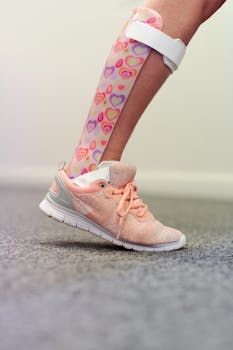
Experiencing an acute injury can be a daunting and challenging event. These injuries, often occurring suddenly and without warning, can range from minor to severe, affecting anyone from athletes to individuals who may have experienced an unexpected accident. Understanding the nature of an acute injury, how to respond in the immediate aftermath, and the journey toward recovery are essential steps in managing your overall health and wellbeing.
Understanding an Acute Injury
An acute injury refers to damage sustained by the body as a result of a specific incident or trauma. Common examples include sprains, fractures, and cuts. Because these injuries occur suddenly, immediate attention is paramount to prevent further damage and to start the healing process. Recognizing the symptoms—such as pain, swelling, bruising, and reduced mobility—can help in taking swift action.
Quick and appropriate treatment of acute injuries typically involves rest, ice, compression, and elevation (RICE). However, the exact course of action can vary depending on the severity and type of injury. In some cases, medical intervention may be necessary, highlighting the importance of consulting with a healthcare professional for proper guidance.
Steps in the Recovery Process
The pathway to recovery from an acute injury can be multifaceted and requires both physical and mental resilience. Here’s how you can navigate through it:
Immediate First Aid
The first critical step is providing appropriate first aid. Applying the RICE method can significantly reduce swelling and pain. Additionally, depending on the injury, immobilizing the affected area using a sling or splint can prevent further complications.
Seeking Professional Medical Care
Not all injuries can be managed at home. It’s important to visit a healthcare provider to assess the injury’s full extent. They may perform diagnostic tests, such as X-rays or MRIs, to determine the best treatment plan. In certain cases, surgery might be necessary to repair damage, particularly if ligaments, bones, or muscles are extensively injured.
Rehabilitation and Physical Therapy
Engaging in physical therapy plays a crucial role in regaining strength and mobility after an acute injury. Professional therapists can design rehabilitation programs tailored to your specific needs, ensuring a safe and effective recovery.
Adopting Lifestyle Adjustments
Recovery often requires lifestyle changes, including rest and possibly modifying daily activities to ensure protection of the injured area. Gradual reintroduction of activities can help prevent re-injury and facilitate a more sustainable recovery.
Mental Health Considerations
Dealing with an injury can have psychological impacts. It’s vital to address these by communicating with healthcare professionals and considering mental health counseling if needed. Support from friends and family also plays an integral part in the healing journey.
Integrating Preventative Measures
Once recovery is underway, implementing preventative strategies is essential to minimize the risk of future injuries:
- Engage in regular exercise to enhance flexibility and strength.
- Use protective gear during sports and recreational activities.
- Practice proper techniques in physical activities to avoid undue stress on the body.
Education on how to handle common injuries, such as those often treated at urgent care centers, can also be beneficial. Combining this knowledge with practical steps can empower individuals to handle acute injuries effectively.
The Role of Nutrition in Recovery
Nutrition cannot be overlooked in the recovery phase. A balanced diet, rich in protein, vitamins, and minerals, supports tissue repair and overall health. While certain foods and supplements may aid in recovery by reducing inflammation and offering structural support to tissues, it’s crucial to consult healthcare professionals before making significant dietary changes.
For factual and comprehensive information on health topics, the Health section on Wikipedia can serve as a useful resource.
Conclusion
Recovering from an acute injury requires time, patience, and care. By understanding the nature of these injuries, seeking professional assistance, and incorporating preventive measures and supportive nutrition, individuals can significantly enhance their recovery journey. For personalized advice and guidance, consulting healthcare professionals remains indispensable.
Remember, an acute injury can disrupt daily life, but with the right approach and mindset, you can navigate through the recovery path effectively and return to a state of well-being and normalcy.
- Timely first aid is crucial for optimal recovery from acute injuries.
- Professional medical care is often necessary for accurate diagnosis and treatment.
- Rehabilitation plays a key role in regaining function and preventing re-injury.
- Preventative measures reduce the risk of future injuries.
- Consult healthcare providers before changing diet to support recovery.
What are the common signs of an acute injury?
Common signs include sudden pain, swelling, bruising, and immobility in the affected area.
How soon should I see a doctor after an acute injury?
If pain and swelling persist or worsen, it’s advisable to consult a healthcare professional immediately to prevent further complications.
Is physical therapy necessary for all acute injuries?
While not required for all cases, physical therapy is beneficial for severe or complex injuries to ensure full recovery and prevent re-injury.
Can diet influence recovery from an acute injury?
Yes, a balanced diet rich in essential nutrients can support tissue repair and inflammation reduction during recovery.
What are the risks of not properly treating an acute injury?
Neglecting proper treatment can lead to chronic pain, further damage, decreased mobility, and prolonged recovery time.