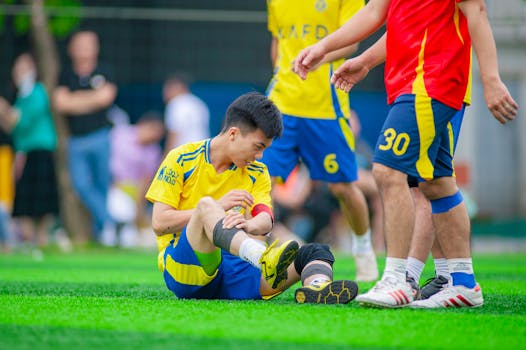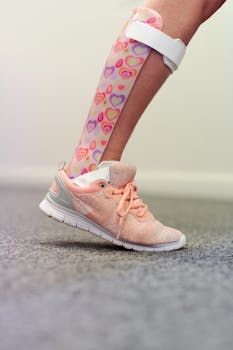
Posterior shin splints are a common condition among athletes and those engaged in physical activities that involve running or repetitive motions. This condition is characterized by pain along the inner edge of the shinbone (tibia) and can significantly impact your ability to perform everyday activities or engage in sporting activities effectively.
Understanding Posterior Shin Splints
Posterior shin splints occur due to inflammation of the muscles, tendons, and bone tissue around the tibia. This can be caused by overuse, improper footwear, or a sudden increase in physical activity. It’s essential to understand the underlying factors contributing to this pain to manage and alleviate symptoms effectively.
Causes of Posterior Shin Splints
Several factors can contribute to the development of posterior shin splints:
- Overuse: Engaging in high-impact sports or increasing activity intensity too quickly can strain the shin muscles.
- Biomechanical irregularities: Flat feet or abnormal gait patterns may contribute to increased stress on the tibia.
- Poor footwear: Inadequate shoes can fail to support and cushion the foot properly, exacerbating the problem.
Symptoms to Watch Out For
The symptoms of posterior shin splints often include:
- Dull aching pain along the inner side of the shinbone.
- Tenderness or soreness along the inner shin.
- Possible swelling in the lower leg.
- Discomfort that worsens during or after physical activity.
Effective Strategies for Relief and Recovery
Managing posterior shin splints involves a combination of rest, rehabilitation, and preventative strategies. Here’s a comprehensive approach:
Rest and Reduce Activity
The first step in managing pain is to reduce or modify activities that exacerbate symptoms. Rest allows the body to heal and prevents further irritation of the affected area.
Ice and Elevation
Applying ice packs to the affected area can reduce inflammation and numb the pain. Elevating the leg also helps in decreasing swelling.
Physical Therapy
Engaging in physical therapy can be beneficial. Therapists can demonstrate exercises that strengthen lower leg muscles and improve flexibility, reducing the risk of recurrence.
Review Your Footwear
Wearing appropriate shoes with good arch support and cushioning is crucial. Consider using orthotic inserts if you have flat feet or other biomechanical challenges.
Gradual Return to Activity
When resuming activities, increase intensity gradually rather than rapidly, allowing your body time to adjust to the new demands.
For more on maintaining a balanced diet to support recovery, read about the effects of protein drinks on blood sugar.
Long-term Prevention Tips
To prevent posterior shin splints from recurring, consider these strategies:
- Engage in regular stretching and strengthening exercises focused on the lower legs.
- Incorporate low-impact activities, such as swimming or cycling, into your routine.
- Listen to your body; do not push through pain during workouts.
For more detailed information on health-related topics, visit this external resource on health.
By implementing these strategies, you can manage the symptoms of posterior shin splints and reduce the likelihood of their return.
Takeaways
- Posterior shin splints are often caused by overuse and biomechanical issues.
- Proper footwear and physical therapy can aid in recovery.
- Gradual increase in activity intensity is crucial for prevention.
- Incorporating strengthening exercises can be beneficial.
- Consult a healthcare professional for personalized guidance.
Frequently Asked Questions
What causes posterior shin splints?
They are primarily caused by overuse, improper footwear, and biomechanical irregularities such as flat feet.
How are posterior shin splints different from other shin splints?
Posterior shin splints specifically affect the inner part of the shin and are often linked to the posterior tibial muscle, whereas other shin splints may affect different areas of the lower leg.
Can poor diet contribute to shin splints?
While diet is not a direct cause, adequate nutrition supports muscle health and recovery, potentially affecting the severity and frequency of symptoms.
Are there exercises to prevent posterior shin splints?
Yes, exercises that strengthen the calf, shin, and ankle can help. Stretching and low-impact activities are also beneficial.
When should I see a doctor for shin splints?
If you experience severe pain or if symptoms persist despite self-care measures, it’s important to consult a healthcare professional.
Addressing posterior shin splints proactively with the right strategies can encourage long-term relief and maintain an active lifestyle.