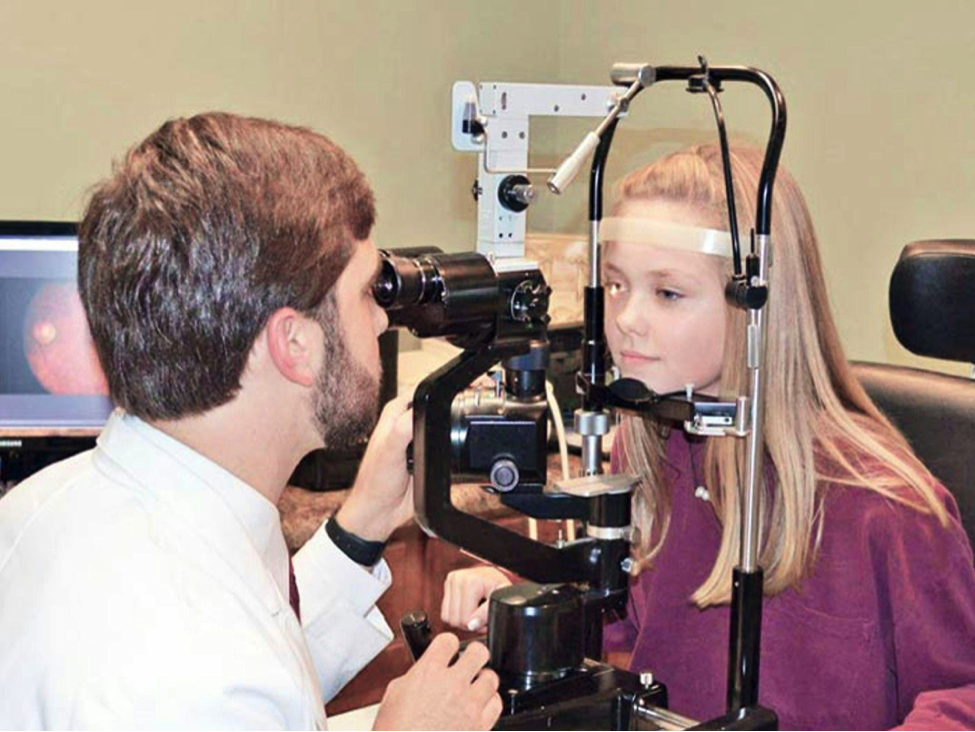
A child’s vision is one of their most important developmental assets. Sight shapes how children learn, play, read, and connect with the world around them, and unlike many other aspects of health, vision loss in childhood can have consequences that follow a child for life.
Eye injuries are one of the leading causes of preventable vision loss in children. In the United States, approximately 2.4 million eye injuries occur every year, and roughly one-third affect children and teenagers. According to Boston Children’s Hospital, nine out of ten of those injuries could have been prevented.
What makes this important is that children’s eyes are not fully developed. The first eight to ten years of life are a critical window for visual development, and an injury during this period can disrupt the brain’s ability to build the pathways that support clear sight, sometimes leading to amblyopia, commonly known as lazy eye, even after the injury itself has healed.
Most eye injuries in children do not look the way parents expect. Some appear alarming but turn out to be minor and heal fully with the right care. Others look deceptively mild: a calm child, an eye that appears intact yet involves damage serious enough to threaten permanent vision loss. Knowing which is which, and when to act, is what this article is about.

Source: Pexels
Alt Text: Children playing at home; the home is the most common setting for pediatric eye injuries, accounting for more than 60 percent of cases
Eye Injury Types and Their Risk of Permanent Vision Loss
Not all eye injuries carry the same risk. The following table summarizes the major categories of pediatric eye injuries, their association with permanent vision loss, and the urgency of care required.
| Injury Type | Definition | Risk of Permanent Vision Loss | Requires Immediate Care? |
| Open globe / penetrating injury | A wound that breaks through the outer wall of the eye | High corneal scarring, retinal damage, infection | Yes emergency |
| Chemical burn (alkali) | Damage from contact with basic substances like bleach or ammonia | Very high rapid tissue destruction, limbal stem cell damage | Yes flush immediately, then ER |
| Retinal detachment (blunt trauma) | The retina pulls away from the back wall of the eye after a blow | High if untreated; lower with early surgery | Yes urgent |
| Hyphema (blood in anterior chamber) | Bleeding into the front chamber of the eye between the cornea and iris | Moderate risk of secondary glaucoma | Yes same day |
| Traumatic cataract | The lens of the eye becomes clouded following injury | High risk of amblyopia in children if untreated | Yes urgent in young children |
| Traumatic optic neuropathy | Damage to the nerve that carries visual signals from the eye to the brain | High nerve damage may be irreversible | Yes urgent |
| Corneal abrasion (minor) | A scratch on the clear front surface of the eye | Low with proper treatment | Same day doctor visit |
| Orbital fracture | A break in the bones surrounding the eye socket | Low for vision; depends on globe involvement | Yes ophthalmology evaluation |
Injuries That Most Commonly Cause Permanent Vision Loss in Children
1. Open Globe and Penetrating Injuries
An open globe injury means something has broken through the outer wall of the eye. This is one of the most serious eye injuries a child can experience.
It happens more often than most parents realize and usually with everyday objects. Common examples include a stick or branch during outdoor play, a pencil or pen during a fall, a nail or screw in a home workshop, scissors during a craft activity, and broken glass or a sharp edge from a toy.
Once the eye wall is breached, the risk of infection, internal bleeding, and permanent damage to the retina or optic nerve increases significantly. How well the eye recovers depends on where the injury occurred, how deep it goes, and how quickly the child receives surgical care.
What parents should know: Do not apply pressure to the eye, and do not try to remove any object stuck in it. Cover the eye loosely with a clean cloth or the bottom of a foam cup and go straight to the emergency room.
2. Chemical Burns
When a chemical splashes into a child’s eye, the damage begins within seconds, often before there is any visible sign of injury. Burns caused by alkali substances, such as bleach, drain cleaners, ammonia, and lime, are especially dangerous because they penetrate the eye rapidly and can continue to destroy tissue for hours after the initial contact. Acid burns, from substances like pool chemicals or battery acid, are also serious but tend to cause more contained damage.
In severe cases, chemical burns can cloud the cornea, cause chronic dry eye, and result in scarring that significantly reduces a child’s vision. Some children require a corneal transplant.
What parents should know: Begin flushing the eye immediately with clean running water for 15 to 20 minutes. Do not stop to call a doctor first; every second counts. After flushing, go to the emergency room and bring the chemical container so the doctor can identify what caused the burn.
3. Retinal Detachment
The retina is the light-sensitive layer at the back of the eye that sends visual information to the brain. A forceful impact to the eye, such as from a ball, fist, or fall, can cause the retina to detach from the underlying tissue that supplies it with nutrients and support. Without surgery, permanent vision loss is likely. Even with prompt treatment, full recovery is not always possible, particularly if the central part of the retina is affected.
This type of injury is well documented in children who play contact sports or sports involving fast-moving projectiles, such as hockey, squash, and paintball.
What parents should know: The warning signs are easy to miss. Watch for sudden flashes of light, a noticeable increase in floating spots or strings in the visual field, or a shadow or dark curtain appearing at the edge of vision. These symptoms in any eye injury require urgent evaluation, ideally the same day.
4. Traumatic Cataract and Amblyopia
A hard blow or penetrating injury can cloud the lens of the eye, a condition called a traumatic cataract. In adults, this mainly causes blurred vision. In young children, the consequences can be more lasting. A clouded lens blocks the clear visual input the developing brain needs, and over time the brain may begin to ignore signals from that eye altogether, a condition called amblyopia, or lazy eye. This can persist even after the cataract is removed, particularly if treatment is delayed.
What parents should know: If a child under 10 sustains significant eye injury, they should be evaluated by an ophthalmologist promptly even if they seem to be seeing normally after the incident.
5. Hyphema
Hyphema refers to bleeding within the eye, specifically into the space between the cornea (the clear, front surface) and the iris (the colored part of the eye). A blunt blow to the eye usually causes hyphema and a visible red layer at the bottom of the eye. Many hyphemas resolve with rest and medication, but two complications require careful monitoring: a second bleed, which occurs in around 5 to 10 percent of cases, and a dangerous rise in eye pressure that can damage the optic nerve over time.
What parents should know: A child with a visible hyphema needs to be seen by an ophthalmologist the same day. Physical activity is usually restricted to reduce the risk of rebleeding, and follow-up visits are necessary to monitor eye pressure.
6. Traumatic Optic Neuropathy
The optic nerve carries visual information from the eye to the brain. In severe trauma such as a serious car accident, a fall from height, or a significant sports injury, this nerve can be damaged directly or indirectly. Unlike most parts of the eye, the optic nerve has very limited ability to heal. The result can be permanent vision loss even when the eye itself looks completely normal from the outside.
What parents should know: If a child reports that their vision is dimmed, darkened, or different in color after a head or face injury, seek urgent ophthalmological evaluation even if other injuries appear more obvious.
Source: Pexels
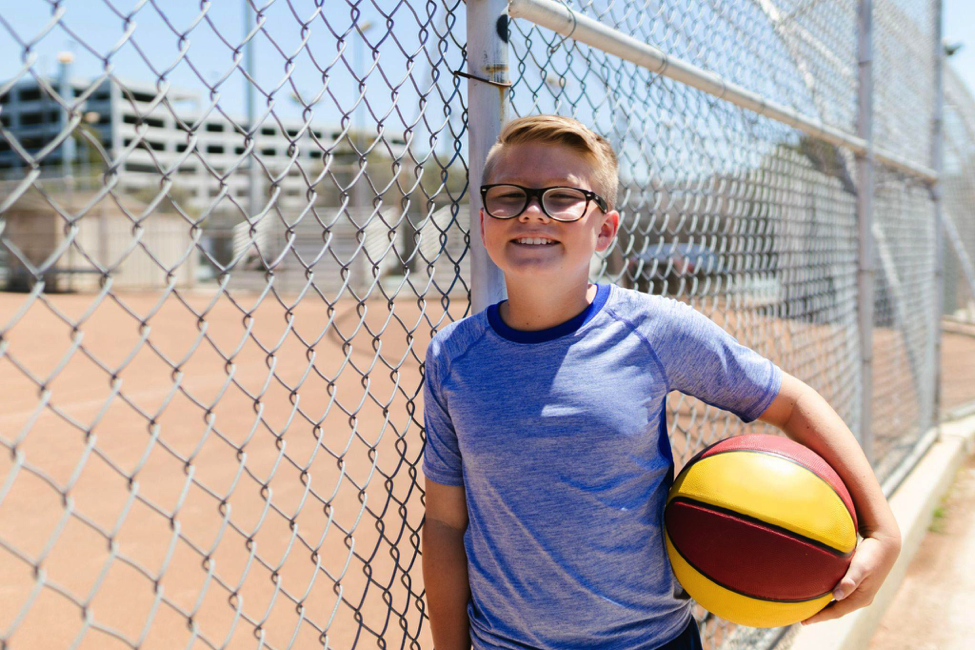
Alt Text: A child wearing protective sports eyewear appropriate eye protection can prevent up to 90 percent of sports-related pediatric eye injuries
When Should a Child See an Eye Doctor After an Eye Injury?
One of the most clinically important points in pediatric eye injury management is this: parents and caregivers should not attempt to determine the severity of an eye injury based on appearance alone. The following table provides guidance on when to seek different levels of care:
| Symptom or Sign | What to Do |
| Sudden vision loss or significant blurring | Go to the emergency room immediately |
| Visible blood inside the eye (hyphema) | Emergency room same day |
| Something stuck in or penetrating the eye | Do not remove it go to the ER immediately |
| Chemical splash or burn | Flush with water for 15–20 minutes, then ER |
| Eye appears misshapen, sunken, or has visible laceration | Emergency room; do not apply pressure |
| Flashes of light or new floaters after injury | Urgent ophthalmology evaluation possible retinal tear |
| Pain that worsens after initial injury | Ophthalmologist visit same day or next morning |
| Persistent redness or light sensitivity 24 hours after injury | Ophthalmologist visit within 24 hours |
| Minor redness or irritation, no vision change | Monitor closely; schedule eye exam if it doesn’t clear within a day |
A general clinical principle applies across all pediatric eye injuries: when in doubt, seek evaluation. Early assessment by a pediatric ophthalmologist preserves the most treatment options and the best chance of full visual recovery.
Prevention: Protecting Children’s Vision
The majority of pediatric eye injuries are preventable. Protective eyewear can prevent up to 90 percent of sports-related eye injuries, according to Children’s Health ophthalmology specialists. The American Academy of Ophthalmology recommends polycarbonate lenses as the standard for sports eye protection, as polycarbonate is significantly more impact-resistant than standard lens materials. Key prevention measures include:
1. Use Appropriate Protective Eyewear
Children should wear sports eye protectors when participating in contact sports and racquet sports, as well as activities such as woodworking, lawn mowing, and chemistry experiments. The American Academy of Ophthalmology recommends polycarbonate lenses as the standard for sports eye protection. Polycarbonate is more impact-resistant than standard lens materials and provides reliable protection against high-speed impacts.
2. Store Household Chemicals Safely
Bleach, drain cleaners, ammonia, and other alkali products are among the most dangerous substances a child’s eye can come into contact with. Keep all cleaning products, solvents, and chemicals in locked cabinets or out of reach, and never store them in unlabeled containers that a child might mistake for something safe.
3. Choose Age-Appropriate Toys
Toys with sharp edges, projectile components, or small parts that can be directed toward the face are a well-documented source of pediatric eye injuries. Before purchasing or allowing a toy, check the manufacturer’s age recommendation and inspect it for features that could pose an eye risk. Supervise younger children when playing with toys designed for older age groups.
4. Supervise High-Risk Activities
Some activities pose a particularly high risk of eye injury and require vigilant supervision at all times. These include fireworks and sparklers, BB guns and pellet guns, bow-and-arrow sets, power tools, and lawn equipment. Children should never handle these items unsupervised, regardless of age or maturity level.
5. Schedule Regular Pediatric Eye Examinations
Routine eye exams do more than check a child’s vision prescription. They allow an ophthalmologist to identify injury-related changes such as early cataract formation or subtle retinal damage that may not have been recognized at the time of the original injury. Early detection significantly improves the chances of successful treatment.
Conclusion
Children’s eye injuries span a wide spectrum from minor corneal abrasions that heal within days to open globe injuries and chemical burns that carry a substantial risk of permanent vision loss. What connects them is the critical importance of timely evaluation and treatment.
The younger the child, the higher the stakes. Because the visual system continues developing through the first decade of life, even an injury that might be manageable in an adult can have lasting developmental consequences in a child. Early intervention, ideally within hours for serious injuries, gives children the best chance of preserving the vision they will rely on for the rest of their lives.
If your child has sustained an eye injury and you are uncertain about its severity, contact a pediatric ophthalmologist or go to the emergency room. With eyes, the cost of caution is low. The cost of delay can be permanent.
Frequently Asked Questions
Which eye injuries in children are most likely to cause permanent vision loss?
Open globe and penetrating injuries, chemical burns (especially alkali), traumatic optic neuropathy, and untreated retinal detachments carry the highest risk of permanent vision loss. Traumatic cataracts in young children are also high-risk because of the associated risk of amblyopia during the critical developmental window.
When should I take my child to the emergency room for an eye injury?
Go to the emergency room immediately if your child has sudden vision loss, visible blood inside the eye, any object embedded in the eye, a chemical splash, a visible wound or laceration to the eye, or if the eye appears misshapen or sunken. For less severe symptoms, persistent redness, light sensitivity, or pain that does not improve, contact a pediatric ophthalmologist the same day.
Can a child’s eye injury cause amblyopia (lazy eye)?
Yes. If a traumatic cataract, corneal scar, or any other injury-related obstruction prevents clear images from reaching the retina during the developmental years, the brain may suppress input from that eye, leading to amblyopia. This is why prompt treatment of eye injuries in children under age 10 is especially important.
What should I do first if my child gets a chemical in their eye?
Flush the eye immediately with clean, running water for at least 15 to 20 minutes. Do not stop to call a doctor or look up information first; begin flushing right away. After flushing, go to the emergency room and bring the chemical container so the treating physician can identify the substance.
Are all children’s eye injuries serious?
No. Many pediatric eye injuries, such as minor corneal abrasions from dust or debris, are superficial and heal fully with appropriate care. The challenge is that it is difficult to distinguish a minor injury from a serious one without professional evaluation. When in doubt, seek examination by a pediatric ophthalmologist.

About the Author
Duane M. Bryant, M.D., is a board-certified ophthalmologist licensed in California, with more than 30 years of experience in comprehensive and surgical ophthalmology. His clinical expertise includes cataracts, glaucoma, diabetic retinopathy, macular degeneration, retinal vein occlusions, ocular trauma, and vision loss. Dr. Bryant provides forensic and expert witness services, including record review, independent medical examinations, impairment assessments, nexus letters, and expert testimony, and is recognized for clear communication and professional, well-structured reporting.