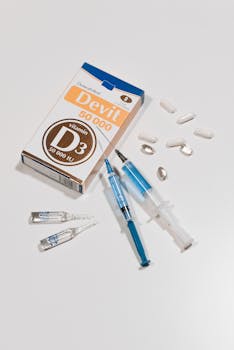
When exploring vitamin supplements, a common question arises: is vitamin D and vitamin D3 the same? While both belong to the same family of nutrients essential for bone health and immune function, they differ slightly in form and function. Understanding these differences can help you make informed decisions about your dietary intake and supplement choices.
Is Vitamin D and Vitamin D3 the Same?
Vitamin D is a fat-soluble vitamin crucial for maintaining bone health, supporting immune function, and aiding in calcium absorption. However, it exists in two primary forms: vitamin D2 (ergocalciferol) and vitamin D3 (cholecalciferol). The most significant difference between vitamin D3 and what is traditionally called vitamin D (often referring to vitamin D2) lies in their sources and how they are produced in the body.
Understanding Vitamin D2
Vitamin D2, or ergocalciferol, is typically found in plant sources and fortified foods. Mushrooms exposed to ultraviolet (UV) light are a known natural source of vitamin D2. This form is often used to fortify foods like milk and cereal, making them a common dietary source of this nutrient.
Unveiling Vitamin D3
Vitamin D3, also known as cholecalciferol, is the form of vitamin D produced in the skin when exposed to sunlight. It is found in animal-based foods like fish oil, fatty fish, liver, and egg yolks. More studies suggest that vitamin D3 may be more effective than D2 in raising and maintaining vitamin D blood levels due to its longer duration of action in the body.
What is the Difference Between Vitamin D and D3?
The critical distinction between these two forms lies in their efficacy and origin. Vitamin D3 is generally considered more potent and is preferred for correcting vitamin D deficiency. Its higher stability and the body’s ability to store it more efficiently contribute to this preference. Although both can be used in supplements, many experts suggest choosing D3 for its superior bioavailability.
Furthermore, vitamin D3 is synthesized naturally and is more closely aligned with how the body expects to receive this nutrient. In contrast, D2 must undergo further conversion processes, which might not be as efficient.
How to Choose Between Vitamin D2 and D3
The choice between vitamin D2 and D3 should be informed by dietary preferences, lifestyle, and any specific health recommendations from your healthcare provider. For those following a vegan diet, vitamin D2 might be more appealing since it is derived from plant sources. However, for those seeking to improve their vitamin D levels effectively, D3 is typically recommended.
Considering the effectiveness of raising vitamin D levels can aid in decisions about multivitamins and diet formulas. If you’re curious about multivitamins and specific dietary needs, such as in diabetes, explore our detailed guides.
Food Sources and Supplements
Both forms are available in dietary supplements. It’s crucial to choose a supplement that fits your dietary needs and health goals. If obtaining sufficient sunlight exposure is challenging due to climate, lifestyle, or other factors, considering a supplement might be beneficial.
Additionally, look for foods fortified with vitamin D, like dairy and plant-based milk alternatives, which often contain vitamin D2. Fish such as salmon or tuna and cod liver oil are excellent natural sources of D3 when added to a balanced diet.
Consulting with Healthcare Professionals
Before starting any new supplement regimen, consulting with a healthcare professional is key. They can provide personalized advice based on your health history and blood work. It’s important to recognize that although supplements can support health, they should not replace a balanced and varied diet.
Research continues to explore the role of vitamin D in various health conditions. For current and verified information, visit resources like the Health Wikipedia page. Remember that while vitamin D is essential, maintaining a balance with other nutrients is equally important for overall wellness.
In conclusion, when asking is vitamin D and vitamin D3 the same, it’s crucial to understand their distinct roles. Whether through diet, sunlight, or supplements, ensuring adequate vitamin D intake is crucial for health.
- Vitamin D is crucial for bone and immune health.
- Vitamin D2 is from plant sources; D3 is from animal sources and sunlight.
- Vitamin D3 is considered more effective at raising blood levels.
- Choose D2 or D3 based on diet, lifestyle, and health needs.
- Consult healthcare professionals before starting supplements.
FAQs
Can I get enough vitamin D from sunlight alone?
While sunlight is a natural source of vitamin D3, factors like geographic location, skin type, and the time spent outdoors can affect the amount synthesized. Supplements may be needed if levels are insufficient.
Are there any risks associated with too much vitamin D?
Excessive vitamin D can lead to toxicity, with symptoms such as nausea, weakness, and kidney issues. It’s vital to adhere to recommended dosages and seek medical advice when using supplements.
Does vitamin D2 work as well as D3 in supplements?
Vitamin D3 is generally more effective in raising and maintaining vitamin D blood levels compared to D2, which is why it’s often preferred in supplements.
Can vegetarians and vegans get enough vitamin D?
Yes, through fortified foods and vitamin D2 supplements derived from plant sources. However, consulting with a healthcare provider to monitor levels and adjust intake is advisable.
What dietary sources are highest in vitamin D?
Oily fish like salmon and mackerel, cod liver oil, and fortified foods, including some dairy products and cereals, are rich in vitamin D.