For those exploring the world of tea, a common question arises: is there caffeine in matcha? The short answer is yes, matcha does contain caffeine. However, the way that caffeine affects your body when consumed as matcha is quite different from how it might behave in your morning cup of coffee. In this article, we’ll delve into the nuances of caffeine in matcha, how it compares to other caffeinated beverages, and what to consider when incorporating matcha into your diet.
Is There Caffeine in Matcha?
Matcha is a finely ground powder made from specially grown and processed green tea leaves. One of the main reasons it’s so popular is due to its unique preparation and consumption, which significantly influence the caffeine content. When you drink matcha, you consume the entire leaf, unlike traditional steeped green tea where the leaves are discarded. This results in a higher caffeine content per serving.
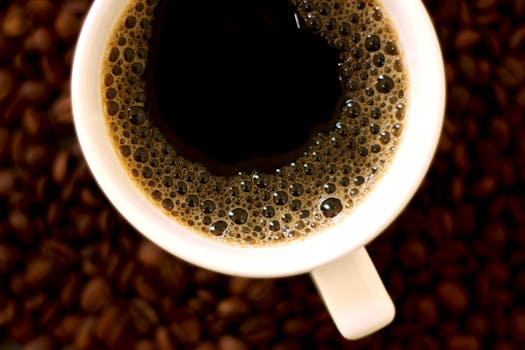
On average, a serving of matcha contains about 25 to 70 milligrams of caffeine, depending on the amount used and the method of preparation. In comparison, a typical cup of coffee contains about 95 milligrams of caffeine. However, matcha is often praised for providing a more sustained energy boost without the jitteriness or sudden crash that coffee can cause.
How Matcha Caffeine Differs from Coffee
One of the benefits of matcha’s caffeine is the presence of L-theanine, an amino acid known for promoting relaxation. This combination of caffeine and L-theanine is what sets the energy effect of matcha apart. While coffee might lead to a quick spike in energy, matcha provides a more balanced and sustained boost. This synergy helps improve focus and mental clarity, making matcha a preferred choice for many people seeking calm alertness.
Additionally, because you consume the whole leaf in a cup of matcha, it contains more antioxidants compared to traditionally brewed tea. This includes catechins, the most potent of which is EGCG, known for its potential health benefits.
Caffeine Sensitivity and Matcha
Individual responses to caffeine can vary. Those with caffeine sensitivity may still enjoy matcha in moderation because the effects of caffeine are mitigated by L-theanine. For those who must strictly limit caffeine, decaffeinated versions of matcha may be an option, though they are less common and may have reduced nutritional benefits.
It’s also essential to be aware of how much matcha you’re consuming daily. While it can support energy and concentration, excessive intake may lead to side effects typical of caffeine overconsumption, such as insomnia or increased heart rate.
Integrating Matcha into Your Diet
Considering its potential health benefits and unique caffeine profile, matcha can be a delightful addition to your diet. It can be consumed in various forms, from a traditional tea preparation to lattes, smoothies, and even culinary applications like baking. When preparing matcha at home, start with small servings to gauge your reaction to its caffeine content.
For those interested in how the diet affects overall wellness, including gut health, you might find this [guide to gut health](http://wellnesshq.net/nutrition-diet/gut-health-101-how-your-microbiome-influences-wellness/) useful as part of understanding broader dietary impacts.
Considerations When Drinking Matcha
While matcha offers many benefits, it’s crucial to source high-quality powder to maximize its advantages and avoid contaminants. Look for reputable brands that offer organic, Ceremonial grade matcha for the best results.
It’s also worth understanding the broader context of matcha’s role in your diet and lifestyle. Regular consumption can be part of a balanced diet, but it’s always best to consult a healthcare provider, especially if you have underlying health conditions or specific dietary needs.
For more detailed information on nutrition and health, resources like [Wikipedia’s health page](https://en.wikipedia.org/wiki/Health) provide a broad overview of various health-related topics.
In summary, not only is matcha a flavorful and nutritious beverage, but it also has a unique caffeine content that, when consumed responsibly, may benefit your energy levels and cognitive function. The question of is there caffeine in matcha taps into a broader understanding of how different sources of caffeine affect our bodies, highlighting matcha as a potentially more balanced option for many people.
- Matcha does contain caffeine, generally providing a smoother energy boost than coffee.
- The combination of caffeine and L-theanine in matcha contributes to its calming yet alert effects.
- High-quality matcha offers more antioxidants than regular teas due to its unique preparation.
- Consuming matcha can have dietary benefits and is versatile in culinary uses.
- Always consult with a healthcare provider for personalized advice, especially if having health concerns.
How does matcha caffeine compare to coffee?
Matcha typically has less caffeine than coffee but provides a more gradual energy boost due to the presence of L-theanine, promoting relaxation and mental clarity.
Can matcha replace my morning coffee?
Yes, many find matcha to be an excellent substitute for coffee, offering sustained energy without the jitters or crashes often associated with coffee consumption.
Is all matcha the same in terms of caffeine content?
No, caffeine content can vary based on the matcha quality and preparation method. Ceremonial grade matcha usually contains higher caffeine than culinary grade.
Can I drink matcha if I’m sensitive to caffeine?
If you are sensitive, it’s best to consume matcha in moderation and observe your body’s response, as it contains both caffeine and L-theanine, which might mitigate some sensitivity effects.
Where can I learn more about the benefits of matcha?
To explore more about matcha and its potential benefits, consult trustworthy health resources available on reliable websites such as [Health on Wikipedia](https://en.wikipedia.org/wiki/Health).