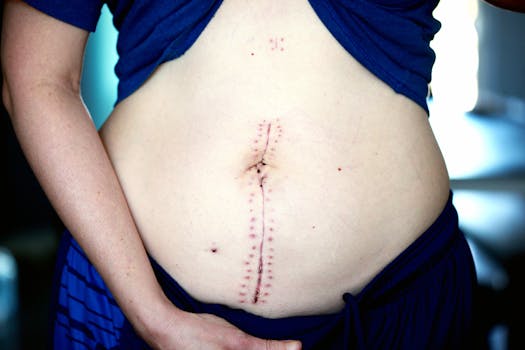
Ehlers-Danlos Syndrome (EDS) is a group of connective tissue disorders that can cause a range of skin-related challenges, including the development of delicate and atrophic scars. Understanding how to manage and care for EDS scars is vital for anyone living with the condition. Throughout this article, we will explore methods to promote healing and care for these fragile areas of skin, thereby enhancing both comfort and confidence.
Understanding EDS Scars
The characteristics of EDS scars often include papyraceous (paper-thin) and atrophic qualities. These scars can easily tear or bruise due to the compromised structural integrity of the skin. For individuals with hypermobile Ehlers-Danlos syndrome (hEDS), the risk of noticeable and slow-healing scars increases with any minor injury or surgical procedure.
Consistent care and specific treatments can help manage these scars and support the healing process. Consulting with a healthcare provider or a dermatologist may yield personalized strategies that align with your skin’s unique needs.
How to Care for EDS Scars
Proper skincare routines and treatments can make a substantial difference in managing EDS scars. Below are some practical tips to aid in the care and healing of these sensitive skin issues:
- Gentle Cleansing: Use mild, fragrance-free soap and warm water to clean the scarred area. Avoid aggressive scrubbing, which can irritate the skin.
- Moisturization: Regularly apply a gentle moisturizer to maintain skin hydration and elasticity. Products containing hyaluronic acid or ceramides are often beneficial.
- Sun Protection: Protect scars from sun exposure by using sunscreen with an SPF of 30 or higher. UV rays can darken scars and slow healing.
- Professional Guidance: Ask a dermatologist about silicone gel sheets or topical treatments that may reduce scar appearance and improve texture.
- Patience and Consistency: Consistent skincare practices over months are often necessary to see improvements in scar appearance.
For those considering surgical or cosmetic interventions, examining the potential risks and discussing them with a medical professional is crucial. For more information about removing scar tissue, consider exploring expert insights and FAQs on scar tissue removal and treatment strategies.
Treatment Options for EDS Scars
While there is no one-size-fits-all solution, several treatment options may improve the appearance of EDS scars over time:
- Topical Treatments: Options such as retinoids and silicone gel can promote collagen production and soften scar texture. These treatments may take several weeks to months to show effects.
- Laser Therapy: Lasers can reduce scar discoloration and improve skin texture. However, this option should be approached with caution due to the skin’s fragility in EDS.
- Microneedling: This technique may enhance collagen production and aid in scar repair but requires professional supervision to avoid skin damage.
- Plastic Surgery Consults: In some cases, consulting with a plastic surgeon who understands EDS can explore corrective surgeries, although surgical interventions come with added risks for this population.
Understanding the spectrum of treatment options and working with a knowledgeable healthcare team opens avenues for achieving improved skin health.
Prevention and Management Strategies
While managing existing scars is crucial, preventing new scars is another key focus for individuals with EDS. Here are strategies to minimize the risk:
- Injury Prevention: Wear protective clothing and gear during activities that pose a risk of skin injury.
- Nutritional Support: Consider a balanced diet rich in vitamins C and E, which support skin health and potentially aid in wound healing.
- Regular Check-Ups: Routine consultations with clinicians can help monitor skin health and address concerns promptly.
- Education and Awareness: Educating yourself and others in your environment about EDS-related skin risks can lead to better care practices.
If you’re interested in learning more about EDS and related conditions, consider reading further from knowledgeable sources such as the Wikipedia article on health.
Conclusion
By adopting thoughtful care routines and exploring treatment alternatives, individuals with EDS can effectively manage their scars. Understanding the unique challenges posed by atrophic scars Ehlers-Danlos and sharing experiences with healthcare professionals ensure that skin health remains a top priority. In doing so, those with the condition can embrace a proactive role in their health journey.
Although managing EDS scars can require dedication, the journey toward healthier skin is achievable with proper guidance and patience. To elevate your knowledge further, visit our page dedicated to understanding scar tissue removal treatments.
- EDS scars can be managed with consistent care and professional guidance.
- Topical treatments, laser therapy, and microneedling may improve skin texture.
- Prevention strategies are crucial for minimizing the risk of new scars.
- Consulting with a specialist can yield tailored treatment plans.
- Patience and regular care routines can significantly enhance scar healing.
FAQ
What are typical characteristics of EDS scars?
EDS scars are often papyraceous and atrophic, meaning they can appear thin and fragile. These scars may bruise easily and can be slow to heal.
Can EDS scars be completely removed?
While complete removal is challenging, treatments such as topical applications and professional procedures may reduce their appearance over time. Consulting with skin specialists can provide guidance on feasible treatments.
Is laser treatment safe for managing hEDS scars?
Laser treatments can be an option but should be considered carefully due to the delicate nature of EDS skin. Professional advice is essential before pursuing this treatment.
What should I look for in a moisturizer for EDS scars?
Opt for fragrance-free, hypoallergenic moisturizers with ingredients like hyaluronic acid or ceramides to support hydration and skin elasticity.
Are there lifestyle changes that can help with scar prevention?
Yes, practicing sun protection, maintaining a nutritious diet, and preventing injury through protective measures can support scar prevention in EDS.