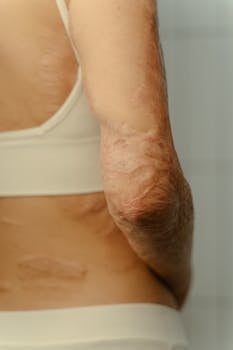
Many people wonder how long it takes for scar tissue to form after an injury, surgery, or skin damage. Understanding the timeline and process of scar formation can help you manage expectations and make informed decisions about skin care.
How Long Does It Take for Scar Tissue to Form?
The formation of scar tissue begins almost immediately after an injury. The process follows a series of stages where the body repairs itself to heal the damaged area. Initially, when the skin is injured, the body reacts by forming a blood clot, which helps stop bleeding and eventually forms a scab. This scab protects the wound while new tissue forms underneath.
Within the first few days to a week after the injury, cells called fibroblasts are activated and begin to produce collagen, a protein crucial for skin repair. This stage is known as the inflammatory phase and can last up to a week, depending on the severity of the injury. As the collagen deposition increases, the skin enters the proliferative phase, which can last from three to six weeks. During this period, the wound gradually closes, and new tissue forms.
Finally, the maturation or remodeling phase can last several months to a few years, during which the collagen fibers reorganize and strengthen the newly formed tissue. It’s during this timeframe that scar tissue fully forms and matures.
Factors Influencing Scar Tissue Formation
Several factors can affect how scar tissue forms and its appearance:
- Severity of Injury: More severe injuries may take longer to heal and result in more pronounced scarring.
- Location of the Wound: Areas with more tension, such as joints, can have more visible scars.
- Genetics: Some people are genetically predisposed to developing thicker or more noticeable scars, such as keloids or hypertrophic scars.
- Age: Younger skin tends to heal faster but may scar more easily.
- Health and Nutrition: Adequate nutrition and overall health promote better healing, potentially reducing scar formation.
Preventive Measures and Treatments
While scar formation is a natural part of healing, there are ways to minimize its appearance:
- Keep the Wound Clean: Proper hygiene can prevent infection, which can worsen scarring.
- Moisturize Regularly: Hydrating the skin helps maintain elasticity and improve healing.
- Use Sunscreen: Protecting the scar from sunlight can prevent darkening and make scars less noticeable.
- Massage: Gently massaging the area can break down excess collagen and improve appearance.
For more severe or bothersome scars, various treatments are available, such as laser therapy, silicone sheets, or corticosteroid injections. Consulting with a dermatology specialist can provide personalized care options. For more insights on whether scar removal might be right for you, consider reading our detailed guide to scar tissue removal.
The Role of Diet and Lifestyle in Healing
Healthy eating and a balanced lifestyle play significant roles in wound healing and scar minimization. Nutrition influences tissue repair processes, and certain vitamins and minerals can boost healing.
- Vitamin C: Essential for collagen synthesis and immune function.
- Zinc: Supports skin health and cellular repair.
- Protein: Provides the building blocks for new tissue formation.
- Antioxidants: Reduce inflammation and support overall healing.
How Lifestyle Choices Affect Healing
Being mindful of lifestyle choices can help enhance the healing process. Stress management, adequate sleep, and avoiding smoking are all crucial components of effective healing. Smoking, for example, reduces blood flow to the skin and can delay healing, which may worsen scarring.
The Final Word: How Long Does It Take for Scar Tissue to Form?
To summarize, the formation of scar tissue is a natural part of the healing process and follows several distinct phases. Understanding how long it takes for scar tissue to form—generally weeks to months—can aid in setting realistic expectations. Taking proactive steps, such as maintaining proper wound care, consulting medical professionals, and adopting a healthy lifestyle, can help minimize scar formation and promote faster healing. Learn more about the factors affecting scar formation and explore preventative options, but remember that each individual’s healing process is unique.
- Scar tissue formation starts immediately after an injury and can take weeks to fully develop.
- Factors like genetics, wound severity, and location influence scar appearance.
- Lifestyle changes and proper wound care can help minimize scars.
- Consulting healthcare professionals offers personalized treatment options.
- Good nutrition and hydration can support better healing processes.
FAQs
What causes scar tissue to form?
Scar tissue forms as part of the body’s natural healing process. When skin is damaged, the body produces collagen fibers to repair the area, resulting in scar tissue.
Can scar tissue become painful?
Yes, scar tissue can become painful, tight, or itchy. This can occur if the tissue adheres to underlying structures or if nerve endings are affected. Consulting a healthcare professional can provide relief options.
Is it possible to prevent scars entirely?
While complete prevention of scars is unlikely, taking measures such as proper wound care and sun protection can reduce their prominence.
Do scars fade over time?
Many scars will fade and become less noticeable over time. The maturation phase of healing involves collagen reorganizing, which can soften the scar’s appearance.
Where can I find more information on skin health?
For further reading on skin health and scar management, the Wikipedia page on health is a comprehensive resource. It’s always a good idea to consult healthcare experts for the most tailored advice.