Living with Ehlers-Danlos Syndrome (EDS) often means dealing with skin that scars more easily than usual. Managing EDS scars requires special attention to nurture and protect sensitive skin. Understanding how to care for these scars can help improve both appearance and comfort.
Understanding EDS Scars
Ehlers-Danlos Syndrome is a group of disorders affecting connective tissues, which provide support to skin, bones, blood vessels, and other organs. In particular, those with hypermobile Ehlers-Danlos Syndrome (hEDS) often experience unique challenges with their skin.
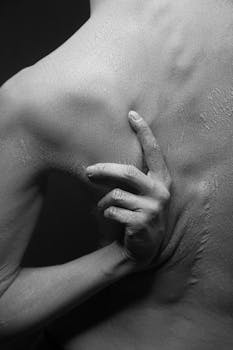
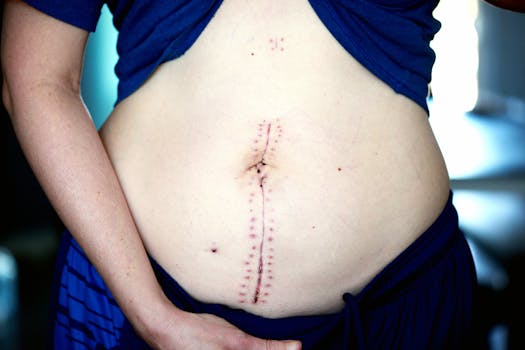
Scars in EDS patients may appear differently than typical scars. They are often described as “gaping” or “atrophic scars” and may be more pronounced due to the skin’s inability to heal effectively.
Characteristics of EDS Scar Tissue
The most common issue with EDS scars is that they tend to stretch and widen over time, becoming atrophic. These scars may appear thin, sunken, and can be a different color from the surrounding skin.
The fragility of the skin in Ehlers-Danlos Syndrome is due to abnormalities in collagen production, making it essential to use gentle and effective skin care techniques.
Care Tips for EDS Scars
- Hydration: Keeping the skin well-hydrated is crucial. Use a gentle, hypoallergenic moisturizer to maintain skin elasticity.
- Gentle Cleansing: Opt for mild cleansers that do not strip the skin of its natural oils. Rinse with lukewarm water to prevent irritation.
- Sun Protection: Scars can discolor more easily if exposed to the sun. Apply a broad-spectrum sunscreen every day.
- Massage: Massaging scars with natural oils, such as vitamin E or jojoba oil, may help reduce their appearance over time.
- Consult a Professional: Discuss scar management with a dermatologist, especially if the scars cause discomfort or become too noticeable.
Medical Treatments for EDS Scars
There are several clinical treatments that may be explored for reducing the visibility of EDS scars:
- Laser Therapy: Laser treatment can help improve the texture and color of the scars.
- Microneedling: This procedure may stimulate collagen production, helping to improve the appearance of atrophic scars in Ehlers-Danlos patients.
- Medication: Some topical treatments may support skin healing, but always consult with a healthcare provider before starting any medication.
Prevention and Maintenance
Avoiding activities that may lead to skin injuries, wearing protective clothing, and maintaining a balanced diet rich in nutrients can all play a role in minimizing the formation of new scars.
Understanding how to address scar tissue can be an ongoing process, and it’s important to stay informed about the latest care strategies.
Conclusion
Managing EDS scars involves both practical care tips and understanding potential medical treatments. Though Ehlers-Danlos Syndrome presents unique challenges, consistent skin care and professional guidance can make a significant difference.
- EDS scars require special care due to the fragility of the skin.
- Hydration, sun protection, and gentle cleansing are key.
- Professional treatments like laser therapy may help reduce scar appearance.
- Preventive measures can help minimize scar formation.
- Always consult healthcare professionals for personalized advice.
What causes EDS scars to differ from regular scars?
EDS scars are a result of the fragile and stretchy skin associated with the syndrome, which affects how wounds heal. They can be more prone to stretching and could look more atrophic or sunken.
Can EDS scars be completely removed?
While some medical interventions can significantly reduce their appearance, completely removing EDS scars might not be possible. However, treatment can help manage and improve the skin’s appearance.
Are there natural remedies that can help with EDS scars?
Natural remedies like regular moisturizing, using oils such as vitamin E, and maintaining good overall skin health may support healing. However, these should be complemented with professional advice.
What are atrophic scars, and why do they occur in Ehlers-Danlos patients?
Atrophic scars are indented scars that form below the skin’s surface and are common in EDS due to poor collagen production, resulting in weakened skin structure and healing.
Where can I find additional reliable information about EDS?
For more comprehensive information on Ehlers-Danlos Syndrome and related skin conditions, consider visiting this detailed source.