The opioid epidemic has cast a long, dark shadow over millions of lives, with fentanyl acting as one of its most potent and destructive agents. For those caught in the cycle of dependency, the world often shrinks down to a single, terrifying necessity: the next dose. It is a state of survival that leaves little room for hope, future planning, or emotional connection.
Standard rehabilitation methods work for some, but for many others, the grip of opioids like fentanyl is too tight, and the withdrawal too agonizing. This is where the story of William begins—a story not just of survival, but of profound transformation.
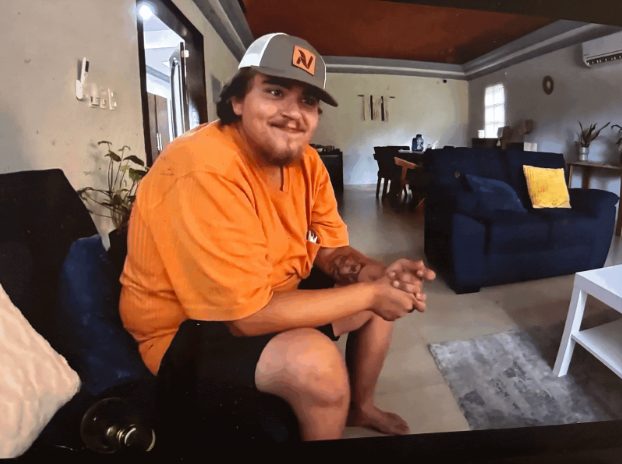
William’s journey is a testament to the resilience of the human spirit and the emerging power of alternative therapies. His experience with Ibogaine treatment—a psychoactive substance derived from the Tabernanthe iboga shrub—took him from the depths of a severe fentanyl addiction to a place of clarity and “divine” healing.
The Weight of the Burden
To understand the magnitude of William’s recovery, one must first acknowledge the gravity of his struggle. Fentanyl is not merely a physical addiction; it is a psychological cage. For William, the burden was heavy. Like so many others fighting this battle, he carried the weight of dependency, the fear of withdrawal, and the accumulated emotional trauma that often fuels addiction in the first place.
When you are in the trenches of opioid addiction, skepticism is a natural defense mechanism. You protect yourself from disappointment by refusing to believe that a way out exists. William admits that he was initially skeptical. He had heard of Ibogaine, but could a plant medicine truly break the chains of a synthetic opioid as powerful as fentanyl? It seemed impossible.
However, the desperation for a new life—and perhaps a spark of intuition—pushed him to take a leap of faith. He didn’t know it yet, but he was walking toward a turning point that would redefine his existence.
Finding Family in the Unknown
One of the most critical components of successful addiction recovery is what psychologists call “Set and Setting”—the mindset of the individual and the environment in which they heal. Medical detoxes can often feel sterile, cold, and isolating, which can trigger anxiety in patients already in a fragile state.
William’s experience was radically different. Upon arriving for treatment, his skepticism began to melt away, not because of a medical procedure, but because of the human connection. He describes the environment as supportive, warm, and remarkably similar to a family.
“It felt like family.”
This sentiment is crucial. Addiction flourishes in isolation, but recovery grows in connection. By feeling safe, seen, and cared for by the staff, William was able to lower his guard. This sense of safety is a prerequisite for Ibogaine treatment. To surrender to the experience, one must trust the people guiding them through it. For William, this supportive environment was the foundation upon which his recovery was built.
The Process: Peeling Back the Layers
Ibogaine is often described as an “addiction interrupter.” It works on the brain’s receptors to significantly reduce or eliminate physical withdrawals, while simultaneously inducing a dream-like state that allows the patient to process deep-seated emotions.
For William, the healing wasn’t a one-step magic trick; it was a journey of unfolding.
- The First Treatment: This session was promising. It showed him that change was possible and addressed the immediate physical grip of the fentanyl. It cracked the door open.
- The Subsequent Sessions: This is where the true breakthrough occurred.
William notes that it was the sessions following his initial treatment that allowed him to truly “let go.” Addiction is often described as an onion; you peel back one layer only to find another. The physical dependency is the outer layer, but beneath that lies trauma, guilt, shame, and fear.
Through his subsequent sessions, William was able to confront these burdens. The unique psychoactive nature of Ibogaine allowed him to revisit his life without the crushing emotional pain usually associated with those memories. He was able to lay down the heavy luggage he had been carrying for years. He realized that to move forward, he didn’t just need to stop taking fentanyl; he needed to release the pain that kept him tethered to it.
A Divine Intervention
Perhaps the most striking aspect of William’s testimony is the language he uses to describe the result. He doesn’t just call it “effective” or “medical.” He refers to Ibogaine as a “divine intervention.”
This choice of words speaks to the spiritual and existential shift that often accompanies this treatment. For William, the experience transcended simple biology. It was a reconnection with his own soul, a restoration of hope that felt miraculous given the severity of his condition.
When an addict is stuck in the cycle of fentanyl abuse, they often feel abandoned—by society, by their loved ones, and by any higher power. To feel “divine intervention” is to feel reclaimed. It is the realization that you are worthy of a life, worthy of health, and worthy of happiness.
This spiritual awakening is often the missing piece in traditional recovery models. By healing the spirit alongside the body, William found a fortitude that he hadn’t possessed before.
A Call to “Take the Leap”
Today, William stands on the other side of the abyss. He is no longer defined by the substances he once took, but by the courage he showed in seeking help. His story has shifted from a cautionary