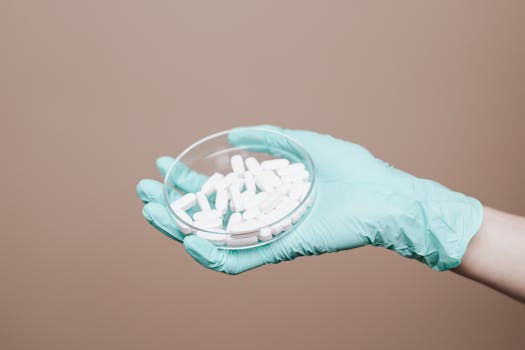
Swollen lymph nodes can be a concerning sign, often indicating an infection or other underlying health conditions. In many cases, antibiotics are prescribed to treat the infections causing lymph node swelling. Understanding the role and effectiveness of antibiotics for lymph node swelling is crucial for informed healthcare decisions.
The Role of Antibiotics for Lymph Node Swelling
Lymph node swelling, or lymphadenopathy, often results from infections such as strep throat, ear infections, or skin infections. When bacteria are the suspected cause, antibiotics may be prescribed to combat the infection and reduce swelling. These medications work by eliminating the bacteria causing the underlying infection, thus alleviating the swelling of lymph nodes.
Commonly Prescribed Antibiotics
Different types of antibiotics may be used to address lymph node swelling, depending on the underlying infection and the patient’s health profile. Here are a few commonly prescribed antibiotics:
- Penicillin and amoxicillin: Often used to treat throat infections like strep throat, which can lead to swollen lymph nodes.
- Cephalosporins: These are often prescribed for ear infections and other bacterial infections.
- Macrolides: Effective for a range of bacterial infections, particularly in patients allergic to penicillin.
Antibiotics can be very effective when prescribed correctly; however, they are not always necessary, especially if a viral infection is the cause. It’s important to be evaluated by a healthcare provider to determine the necessity and appropriate type of medication.
Consulting Healthcare Providers
While antibiotics for lymph node swelling can be effective, misuse can lead to antibiotic resistance. Therefore, consulting with a healthcare provider to determine the best course of action is essential. They can provide a diagnosis based on a medical examination, potentially supplemented by blood tests or imaging.
For those interested in alternative approaches, natural treatments for conditions like swelling are also explored. Read about some natural approaches to managing edema and swelling on the WellnessHQ page.
Potential Side Effects and Considerations
Though generally safe, antibiotics can cause side effects. Common side effects include digestive issues, allergic reactions, and interactions with other medications. Serious side effects, while rare, can occur and need immediate medical attention.
Safety Measures and Best Practices
To minimize risks, adhere to prescribed dosages and schedules. Always inform your healthcare provider about any existing medications or allergies. If side effects occur, contact your healthcare provider. Antibiotics should only be taken when prescribed by a certified health professional.
Understanding Different Causes
Not all lymph node swelling requires antibiotics. Viral infections like the common cold, or conditions like reactive lymphadenopathy, might cause lymph node enlargement without bacterial involvement. Typically, these cases resolve over time without the need for antibiotics.
For a comprehensive understanding of health and wellness topics, including the role of antibiotics, you may refer to reputable resources like this overview on health.
Conclusion
Antibiotics for lymph node swelling can be highly effective when used appropriately. While they are pivotal in treating bacterial infections, it’s important to ensure they’re necessary for your condition. Consulting with healthcare providers will help determine the optimal treatment strategy, promoting health and recovery.
- Antibiotics are effective in treating bacterial causes of swollen lymph nodes.
- Consult a healthcare provider to determine the appropriate treatment.
- Misuse of antibiotics can lead to resistance and other health issues.
- Consider potential side effects and interactions with other medications.
- Always complete the prescribed course of antibiotics.
Frequently Asked Questions
What are lymph nodes?
Lymph nodes are small, bean-shaped structures that are a part of the lymphatic system. They help in filtering out harmful substances and play an essential role in the immune response by housing immune cells that fight infection.
Can swollen lymph nodes go away on their own?
Yes, swollen lymph nodes often go away on their own, particularly if they are due to viral infections. In such cases, they resolve as the body clears the infection.
When should I see a doctor for swollen lymph nodes?
If swelling persists for more than a few weeks, is accompanied by high fever, night sweats, or unexplained weight loss, or if the nodes feel hard or fixed, you should see a doctor for evaluation.
What are alternative treatments for lymph node swelling?
Alternative treatments may include warm compresses, adequate hydration, and rest. For more insights on natural approaches, visit WellnessHQ’s section on natural treatments for swelling.
Are there any risks in using antibiotics?
Risks include allergic reactions, digestive issues, and the potential for antibiotic resistance. It’s important to take antibiotics only when prescribed by a healthcare professional and to follow the prescribed dosage and duration.