Knee plastic surgery has become an intriguing option for many individuals suffering from knee discomfort and seeking improved joint health. As advancements in medical technology continue, the range of surgical options to address knee issues has expanded. This article explores the various forms of knee plastic surgery, their potential benefits, and important considerations for anyone contemplating these procedures.
Understanding Knee Plastic Surgery
Knee plastic surgery encompasses a variety of procedures aimed at enhancing the function and appearance of the knee. It is often considered by individuals experiencing chronic pain, limited mobility, or aesthetic concerns. The goal of these surgeries can vary from reconstructing damaged tissues to improving overall joint alignment.
One common approach is knee arthroplasty or knee replacement, a procedure involving the replacement of worn-out joint surfaces with artificial components. While primarily seen as a functional surgery, it can also have cosmetic benefits for those concerned about the appearance of their knees. More specific procedures can target particular areas of the knee for reconstruction or enhancement, such as cartilage restoration or soft tissue modification.
Types of Knee Plastic Surgery Available
Different types of knee plastic surgeries include both minimally invasive and more extensive procedures. Understanding these options can help in choosing the right approach based on individual needs and health conditions.
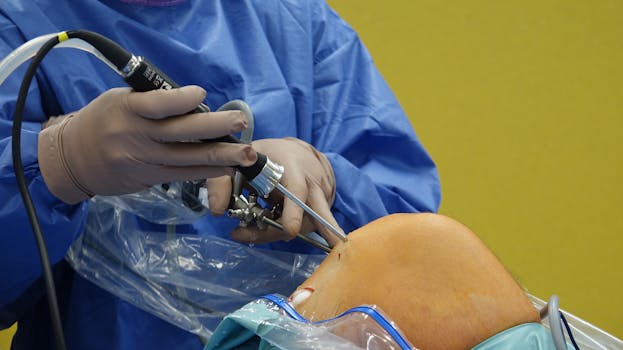
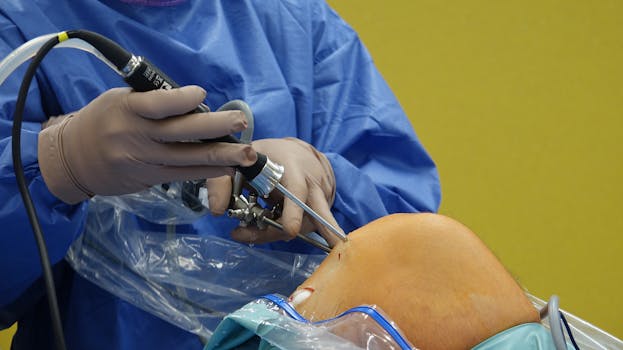
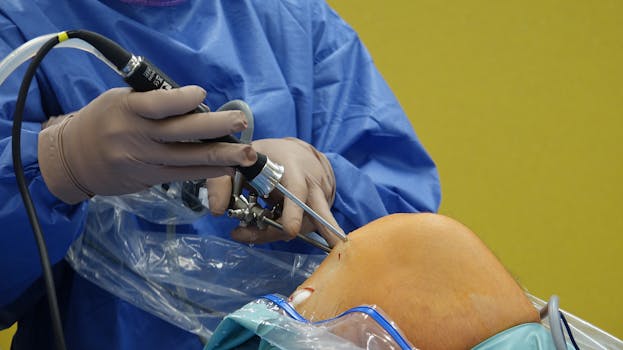
- Knee Arthroscopy: A minimally invasive procedure allowing surgeons to diagnose and treat joint issues through small incisions. This technique is often used to repair torn cartilage or remove fragments from the joint.
- Partial Knee Replacement: Targets only the affected part of the knee, conserving as much of the natural joint as possible while replacing damaged areas.
- Cartilage Restoration: Techniques such as microfracture, autologous chondrocyte implantation, or osteochondral grafting aim to regenerate or transplant healthy cartilage to restore joint function.
- Fat Grafting: In some cases, aesthetic procedures like fat grafting can help contour the knee area, possibly enhancing both appearance and comfort. For further details on similar cosmetic enhancements, you might consider exploring the cost of knee liposuction.
The Benefits and Considerations of Knee Plastic Surgery
Opting for knee plastic surgery can offer several potential benefits, such as improved mobility, reduced pain, and enhanced quality of life. For those concerned with aesthetics, these procedures can also lead to more visually appealing knees.
However, it’s crucial to consider the associated risks and recovery time. Surgical interventions come with inherent risks, including infection, blood clots, and potential complications related to anesthesia. Moreover, recovery periods can vary widely depending on the specific procedure and individual health factors.
Preparing for Knee Plastic Surgery
Preparing for knee plastic surgery involves several steps. It is essential to have a comprehensive discussion with a healthcare provider to assess overall health, understand the risks and benefits specific to your situation, and set realistic expectations.
Pre-surgical screenings and consultations may include imaging studies like X-rays or MRIs and lab tests to ensure optimal surgical outcomes. Patients might also be advised to modify certain medications, cease smoking, or follow specific exercise regimens to prepare their bodies for surgery and recovery.
Recovery and Post-Surgery Care
Recovery from knee plastic surgery varies depending on the type and extent of the procedure performed. Commonly, patients will need physical therapy to regain strength and mobility in the joint. Adhering to prescribed rehabilitation programs is crucial for achieving the best possible outcomes.
Post-surgical care also often includes pain management strategies and measures to reduce swelling. It is essential for patients to follow their surgeon’s instructions carefully and attend all follow-up appointments to monitor progress.
Is Knee Plastic Surgery Right for You?
Deciding whether knee plastic surgery is appropriate requires a careful assessment of personal goals, current health status, and medical history. Consulting with a qualified orthopedic surgeon can provide insights into the most suitable options tailored to individual needs.
It is also beneficial to gather information from credible sources. For a comprehensive understanding of health considerations, visit this detailed resource on health.
Whether addressing pain, function, or cosmetic concerns, knee plastic surgery represents a promising option. However, it’s crucial to approach the decision thoughtfully, weighing the potential benefits against the risks and recovery demands.
- Knee plastic surgery can address both functional and aesthetic concerns.
- A variety of surgical techniques are available based on individual needs.
- Benefits include improved mobility, pain relief, and enhanced joint function.
- Considerations include potential risks and the importance of post-surgery care.
- Consultation with a healthcare professional is essential for making informed decisions.
What are the different types of knee plastic surgery?
Knee plastic surgery can include knee arthroplasty, arthroscopy, cartilage restoration, and partial knee replacement, each targeting different issues and requiring specific approaches.
How long is the recovery period after knee plastic surgery?
Recovery time can vary greatly depending on the procedure performed and individual health factors, ranging from a few weeks for minimally invasive techniques to several months for more extensive surgeries.
What are the potential risks of knee plastic surgery?
Like all surgeries, knee plastic surgery carries risks such as infection, blood clots, and anesthesia complications. Discussing these with a healthcare provider is crucial to mitigating risks.
How do I know if I’m a good candidate for knee plastic surgery?
A healthcare provider will evaluate your medical history, current health, and specific needs to determine if knee plastic surgery is a suitable option for you. A thorough consultation will help identify the best approach.
What are alternative treatments to knee plastic surgery?
Alternatives may include physical therapy, medications, lifestyle changes, or assistive devices. These options can help manage symptoms and improve knee function without surgery.