If you’re experiencing persistent knee pain and traditional interventions haven’t provided relief, you may be considering knee plastic surgery. This advanced procedure aims to improve joint function and offer relief from discomfort. In this article, we will delve into what knee plastic surgery involves, the various options available, and the potential benefits it can provide for joint health.
What is Knee Plastic Surgery?
Knee plastic surgery, often categorized under orthopedic surgery, involves reconstructive techniques to enhance knee joint function and aesthetics. This procedure is especially beneficial for those who have sustained injuries or suffer from chronic conditions like arthritis
Types of Knee Plastic Surgery
There are several types of knee plastic surgery, each with its own goals and benefits. Here are some common procedures:
- Knee Replacement: This involves replacing damaged parts of the knee with artificial components. It is ideal for severe joint damage resulting from conditions like osteoarthritis.
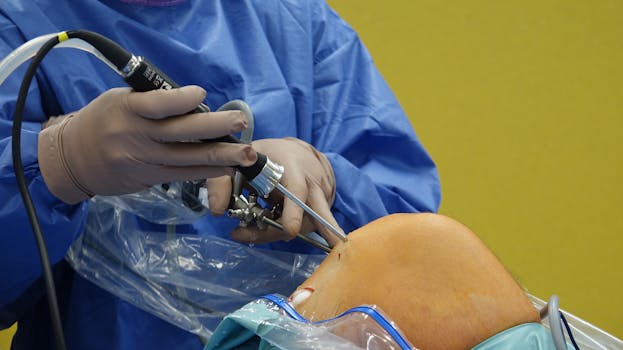
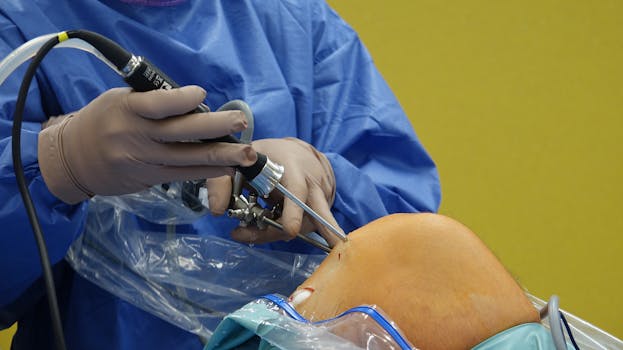
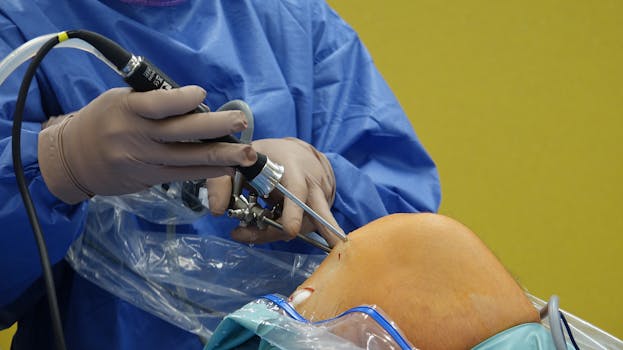
- Arthroscopic Surgery: A minimally invasive procedure used to diagnose and treat joint problems. It involves small incisions and the use of a camera to guide the surgery.
- Knee Resurfacing: A partial knee replacement that targets only the damaged compartments of the knee, preserving healthy bone and cartilage.
Benefits of Knee Plastic Surgery
Undergoing knee plastic surgery can offer numerous benefits, including:
- Relief from chronic pain and inflammation.
- Increased mobility and restored function.
- Improved quality of life through enhanced joint endurance.
- Long-lasting relief when conservative treatments fail.
Who Can Benefit from Knee Plastic Surgery?
Knee plastic surgery may be a viable option for individuals who:
- Have chronic knee pain that affects daily activities.
- Did not find relief with non-surgical treatments.
- Experience joint instability or reduced function.
- Suffer from progressive conditions like arthritis.
Factors to Consider Before Surgery
It’s crucial to evaluate several factors before opting for knee plastic surgery:
- Consultation with a Specialist: Always seek advice from an orthopedic surgeon to understand the best surgical option for your condition.
- Understanding Potential Risks: As with any surgery, there are risks such as infection, blood clots, and complications with anesthesia.
- Recovery Time: Post-surgery rehabilitation is a significant factor in recovery and achieving desired outcomes.
For those interested in additional cosmetic options related to knee aesthetics, you might want to explore how knee liposuction costs compare.
Current Research and Innovations
Recent advances in knee surgery techniques have led to better patient outcomes. Innovations such as robotics-assisted surgery and custom knee implants contribute to more precise procedures. Ongoing research continuously seeks ways to optimize these surgeries, making them more efficient and reducing recovery time.
Preparing for Knee Plastic Surgery
Preparation is key for a successful surgery and recovery:
- Pre-Surgical Evaluation: Engage in a detailed evaluation of your health and knee condition to tailor the surgery to your needs.
- Physical Therapy: Strengthening your muscles around the knee can aid significantly in recovery post-surgery.
- Understanding the Procedure: Knowing the steps of your surgery can relieve anxiety and equip you with realistic expectations.
Post-Surgery Recovery Tips
Recovery post knee plastic surgery is crucial for the success of the procedure. Here are some tips:
- Adhere to your rehabilitation program tailored by healthcare professionals.
- Use assistive devices as required to aid in mobility.
- Maintain a healthy diet to facilitate optimal healing.
- Attend follow-up appointments to monitor recovery progress and address any concerns.
Throughout your research and decision-making, you can consult resources like this article on health-related surgery to further understand general health impacts and considerations.
As you can see, knee plastic surgery offers several benefits for those suffering from chronic knee issues. The comprehensive approach to improving joint health can significantly influence your mobility and quality of life. With continued innovations in the field, it represents a promising option for joint rehabilitation and enhanced comfort.
- Knee plastic surgery can alleviate chronic pain and improve mobility.
- Different types of surgery cater to specific needs, from joint replacement to arthroscopy.
- Consulting a specialist is essential for informed decision-making.
- Innovative surgical techniques are continually evolving, enhancing outcomes.
- Post-operative care and rehabilitation are crucial for successful recovery.
FAQs
What is knee plastic surgery?
Knee plastic surgery refers to various surgical procedures aimed at enhancing the knee joint’s function and appearance, addressing issues like chronic pain or joint damage.
Who is a good candidate for knee plastic surgery?
Individuals with chronic pain, limited mobility, or progressive knee conditions who haven’t found relief through non-surgical treatments may be good candidates.
What risks are associated with knee plastic surgery?
While generally safe, risks include infection, blood clots, and anesthesia-related complications. Consulting with a healthcare provider is vital to understand personal risks.
How long is the recovery period after surgery?
Recovery time varies per individual and procedure type but often includes several weeks of physical therapy and gradual resumption of activities.
Can knee plastic surgery improve quality of life?
Yes, when successful, this surgery may significantly improve mobility, decrease pain, and enhance overall quality of life.