In recent years, knee plastic surgery has emerged as a solution for individuals experiencing joint discomfort or dissatisfaction with the appearance of their knees. Whether due to injury, arthritis, or cosmetic reasons, exploring knee plastic surgery can be a daunting task. This article will guide you through the various options and benefits, helping you make an informed decision about your joint health.
Understanding Knee Plastic Surgery
Knee plastic surgery encompasses a variety of procedures aimed at improving the function and appearance of the knees. These surgeries can range from reconstructive methods to less invasive cosmetic adjustments. Typically, individuals consider knee plastic surgery due to chronic pain, significant cartilage loss, or aesthetic enhancement goals.
Types of Knee Plastic Surgery
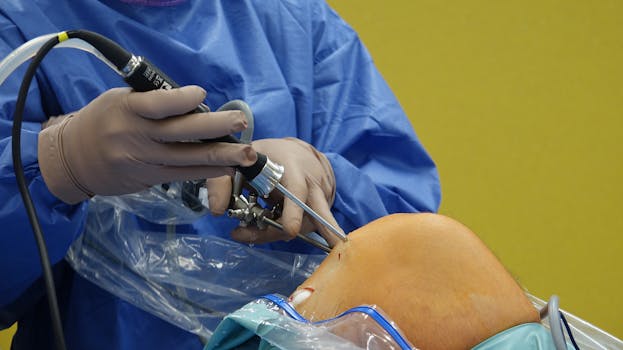
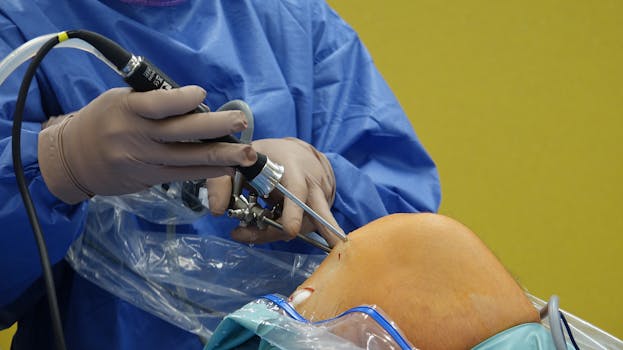
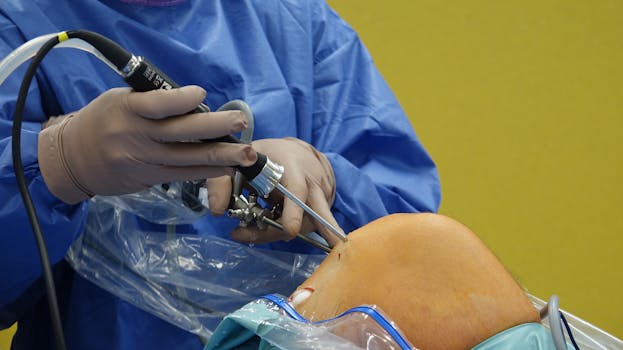
There are several types of knee surgeries that can be categorized into functional and cosmetic procedures. Common functional surgeries include knee replacement, which involves replacing damaged joint surfaces with artificial components, and arthroscopy, a minimally invasive technique used to diagnose and treat joint issues.
On the cosmetic side, procedures such as liposuction and skin tightening can enhance the knees’ appearance, addressing concerns like excess fat or loose skin. For more on knee liposuction, visit our detailed guide on knee liposuction costs.
Who Should Consider Knee Plastic Surgery?
Knee plastic surgery may be considered by individuals who experience persistent knee pain that doesn’t respond to conservative treatments such as medication, physical therapy, or lifestyle changes. Additionally, those dissatisfied with the appearance of their knees, whether due to age-related changes or previous injuries, might explore cosmetic options.
Benefits of Knee Plastic Surgery
Undergoing knee plastic surgery can offer numerous benefits. Functionally, it can significantly reduce pain, improve mobility, and enhance quality of life for patients with degenerative joint diseases or injuries. Cosmetic procedures may boost self-confidence by providing a more contoured appearance.
Moreover, for athletes or active individuals, recovering from knee surgeries like arthroscopy can help them return to their sport with greater safety and comfort.
Risks and Considerations
As with any surgical procedure, knee plastic surgery carries potential risks such as infection, blood clots, or complications with anesthesia. It’s crucial for patients to discuss their medical history and concerns with a qualified surgeon to understand these risks fully.
Recovery times vary depending on the specific procedure and individual health factors. Functional surgeries may require significant rehabilitation, while cosmetic procedures typically involve shorter recovery periods.
Preparing for Knee Plastic Surgery
Preparation is key to achieving successful outcomes. Patients are typically advised to maintain a healthy lifestyle, including a balanced diet and regular exercise, to optimize their physical condition before surgery. Pre-surgical consultations often include discussions about patient expectations, potential outcomes, and detailed procedural information.
A comprehensive evaluation by the surgical team will help ensure you’re a suitable candidate for the surgery you’re considering.
The Decision-Making Process
Choosing to undergo knee plastic surgery is a significant decision that should be made after careful consideration and consultation with healthcare professionals. Patients are encouraged to weigh the potential benefits against the risks and recovery times.
Gathering information and exploring both functional and cosmetic options can assist individuals in determining the most appropriate way to address their knee-related concerns.
Ultimately, knee plastic surgery may offer meaningful improvements in quality of life for those seeking relief from pain or enhanced knee aesthetics. To learn more about broader health topics, you can visit this helpful Health article on Wikipedia.
- Knee plastic surgery includes a variety of functional and cosmetic procedures.
- Benefits include pain relief, improved mobility, and enhanced appearance.
- Risks involve potential surgical complications and recovery time.
- Pre-surgical preparation and consultation are crucial for successful outcomes.
- Consult a healthcare professional to discuss personalized options and expectations.
What is knee plastic surgery?
Knee plastic surgery refers to surgical procedures that improve either the functionality or the appearance of the knees, ranging from replacement and arthroscopy to cosmetic enhancements.
Who should consider knee plastic surgery?
Individuals with chronic knee pain, significant joint deterioration, unsatisfactory knee appearance, or those seeking functional improvements, may consider knee plastic surgery.
What are the potential risks?
Risks include infection, blood clots, anesthesia complications, and the need for extensive rehabilitation post-surgery. It’s vital to discuss these with your surgeon.
What is the recovery process like?
Recovery varies by procedure type. Functional surgeries may require long rehabilitation, whereas cosmetic surgeries often have shorter recovery times with less physical therapy needed.
How can I prepare for knee plastic surgery?
Preparation involves a healthy lifestyle, a thorough pre-surgical consultation with your surgeon, and discussions about your medical history and expectations.